
Key Drivers and Challenges in the Renewable Energy Infrastructure Sector
 Aime Summary
The renewable energy infrastructure sector is one of the fastest-growing areas in global investing, driven by the urgent need to address climate change and reduce reliance on fossil fuels. For investors, understanding the forces shaping this sector—and the challenges it faces—is critical for making informed decisions. This article breaks down the key drivers, obstacles, and strategies to navigate this dynamic market.
Core Concept: What is Renewable Energy Infrastructure?Renewable energy infrastructure includes projects like solar farms, wind turbines, hydroelectric plants, and energy storage systems (e.g., batteries). These assets generate electricity from sustainable sources and are essential for reducing carbon emissions. The sector is driven by government policies (e.g., subsidies, carbon taxes), technological advancements (e.g., cheaper solar panels), and shifting consumer demand for clean energy. However, it also faces challenges such as high upfront costs, regulatory uncertainty, and the intermittent nature of renewables (e.g., solar doesn’t work at night).
Investment Strategies and ApplicationsInvestors can capitalize on this sector by focusing on companies in regions with strong policy support, such as the U.S. Inflation Reduction Act or the EU’s Green Deal. Diversifying across technologies (e.g., solar, wind, and storage) helps mitigate risks like weather-dependent energy production. For example, energy storage firms like TeslaTSLA-- or Fluence are critical for addressing intermittency. 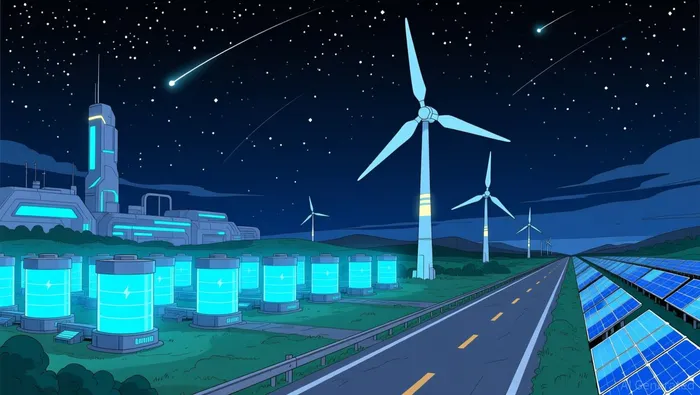 Additionally, ESG (Environmental, Social, and Governance) investors can prioritize companies with transparent sustainability goals and robust project pipelines.
Case Study: Australia’s Hornsdale Power ReserveIn 2017, South Australia built the Hornsdale Power Reserve, a 100 MW lithium-ion battery paired with wind farms. This project addressed the challenge of energy intermittency by storing excess wind energy and releasing it during peak demand. The battery reduced grid instability and cut costs for frequency regulation by 90%. Investors who recognized the potential of large-scale storage early on saw significant returns, highlighting how innovation can turn challenges into opportunities.
Risks and MitigationKey risks include policy changes (e.g., subsidy cuts), supply chain disruptions (e.g., rare mineral shortages for batteries), and project delays. To mitigate these, investors should conduct thorough due diligence on a company’s financial health, project timelines, and geographic diversification. For instance, companies with long-term power purchase agreements (PPAs) are less vulnerable to market fluctuations. Additionally, hedging against inflation by investing in firms with strong R&D pipelines can reduce exposure to technological obsolescence.
ConclusionThe renewable energy sector offers immense potential but requires careful navigation of its unique drivers and challenges. By understanding policy trends, technological advancements, and risk factors, investors can build resilient portfolios that align with both financial and environmental goals. As the world transitions to cleaner energy, those who adapt early may reap long-term rewards.

Stay ahead of the market.
Get curated U.S. market news, insights and key dates delivered to your inbox.




Comments
No comments yet