
Key Drivers and Challenges in the Oil Market: The Interplay of Supply Shocks and Demand Fundamentals
 Aime Summary
The oil market is one of the most critical yet volatile sectors of the global economy. For investors, understanding how supply shocks and demand fundamentals interact can unlock insights into price movements and long-term trends. This article breaks down these dynamics, their real-world impacts, and how investors can navigate the risks and opportunities they create.
What Are Supply Shocks and Demand Fundamentals?
Supply shocks are sudden, unexpected changes in the availability of oil. These can stem from geopolitical events (e.g., wars or sanctions), production disruptions (e.g., hurricanes in oil-producing regions), or policy decisions by major producers like OPEC+. For example, if OPEC+ agrees to cut production, it can reduce supply and drive prices up. Conversely, a sudden surge in production, such as increased U.S. shale output, can flood the market and lower prices.
Demand fundamentals refer to the long-term trends shaping oil consumption. These include economic growth (stronger economies typically use more oil), shifts in consumer behavior (e.g., adoption of electric vehicles), and technological advancements (e.g., renewable energy). 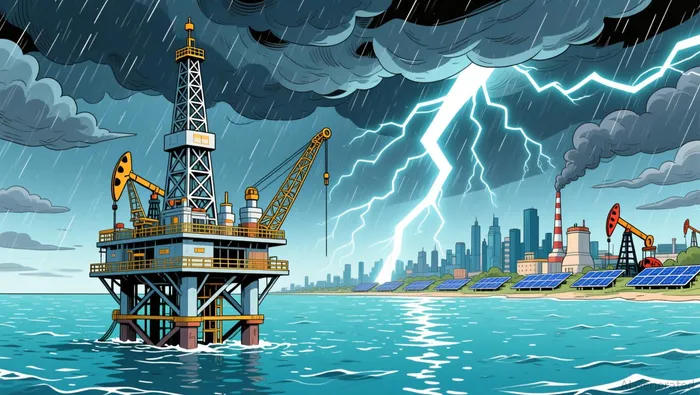 For instance, a global economic slowdown often weakens demand, while a boom in manufacturing or travel can boost it.
How Do These Forces Shape Investment Decisions?
Investors must balance short-term volatility from supply shocks with long-term shifts in demand. Here are two strategies: 1. Short-Term Hedging: During supply shocks, oil prices often spike. Energy stocks or commodities ETFs can offer gains, but volatility requires caution. For example, after a geopolitical crisis disrupts production, investors might allocate a small portion of their portfolio to oil futures to capitalize on price swings. 2. Long-Term Positioning: As demand fundamentals evolve, investors should assess industries poised to adapt. For instance, companies developing battery technology or renewable energy infrastructure may benefit from declining oil demand, while traditional oil firms could face headwinds.
Case Study: The 2020 Oil Price Crash
In 2020, the oil market faced a perfect storm of supply and demand imbalances. A breakdown in OPEC+ negotiations led to a production surge, while the pandemic caused a historic drop in demand. The result? Oil prices fell below zero in April 2020—a first in history. This event highlighted how sudden supply increases and collapsing demand can destabilize the market. Investors who recognized the crisis early avoided losses by exiting energy positions or shorting the market, while those who waited faced significant drawdowns.
Risks and Mitigation Strategies
The oil market is inherently unpredictable. Supply shocks can arise from conflicts or natural disasters, while demand shifts are influenced by policy changes and technological trends. To mitigate risks: - Diversify: Avoid overexposure to a single energy asset. Balance energy stocks with renewables or broad market funds. - Stay Informed: Monitor OPEC+ meetings, geopolitical developments, and economic indicators like GDP growth.
- Plan for Energy Transition: As the world moves toward cleaner energy, evaluate how companies are adapting. Firms with strong R&D in alternative energy may outperform traditional peers.
Key Takeaways
The oil market is driven by a delicate balance between supply shocks and demand fundamentals. While short-term price swings can create opportunities, long-term trends like the energy transition demand careful consideration. By understanding these dynamics, investors can make informed decisions, hedge against volatility, and align their portfolios with the evolving energy landscape. Whether you’re a seasoned investor or new to energy markets, staying attuned to these forces is essential for navigating the complexities of the oil sector.

Stay ahead of the market.
Get curated U.S. market news, insights and key dates delivered to your inbox.


AInvest
PRO
AInvest
PRO



Comments
No comments yet