
Before Kevin Warsh Takes Over as Fed Chair, Trump Jokes About Suing Him. Scott Bessent Is Fine With That
 Aime Summary
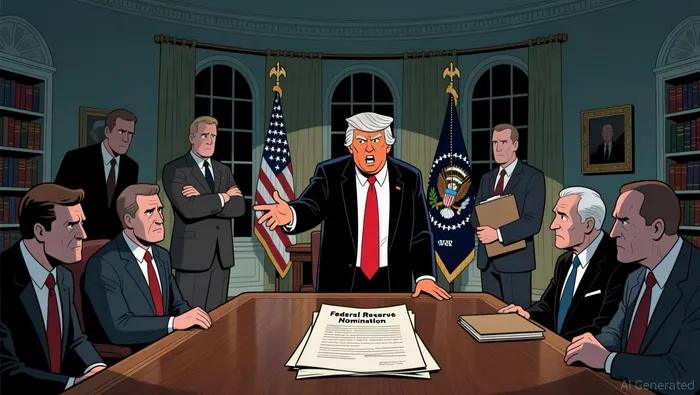
President Donald Trump has sparked controversy with a comment suggesting he would sue Kevin Warsh, his nominee to chair the Federal Reserve, if the former Fed governor does not lower interest rates. The remark, made at a Washington dinner, was later dismissed as a joke by Trump.
Treasury Secretary Scott Bessent, who had previously avoided commenting on the joke during a Senate hearing with Senator Elizabeth Warren, clarified on CNBC that the statement was in jest. He emphasized that the president respects the Fed's independence.
Warren, however, has raised concerns about the potential for legal action against Warsh. In a follow-up question, she asked Bessent if he could commit that the Department of Justice would not investigate or sue Warsh over rate decisions, to which Bessent responded that such decisions rest with the president.
Why Did This Happen?
Trump has long criticized Federal Reserve Chair Jerome Powell for not cutting rates aggressively enough. The DOJ's ongoing investigation into Powell over statements about a Fed building renovation has further strained relations between the administration and the central bank.
Senator Thom Tillis, a Republican on the Senate Banking Committee, has linked his support for Warsh to the resolution of the Powell investigation. Tillis described the probe as "lawfare" and called it a threat to the Fed's independence.
How Did Markets React?
The announcement of Warsh as the Fed chair nominee triggered immediate market reactions. Long-end yields rose, equities softened, and the dollar strengthened—all moves consistent with expectations of a potentially more hawkish Fed.
Warsh's nomination has also reignited debates over the central bank's independence and the role of presidential influence in monetary policy. Some analysts view the administration's comments as a test of the Fed's autonomy, particularly amid the ongoing investigation into Powell.
What Are Analysts Watching Next?
Warsh has historically taken a nuanced approach to monetary policy. He has supported rate cuts in light of disinflationary pressures, such as those from AI and deregulation, but has also criticized cuts made during periods of high inflation.
Warsh's views on the Fed's balance sheet policies are well known. He has criticized the expansion of the Fed's asset holdings as distorting markets and potentially fueling inflation. This could shape the central bank's future strategy, particularly if inflation remains a concern.
Warsh has also emphasized the need for the Fed to avoid excessive communication with markets. Unlike past Fed chairs, who have regularly appeared at press conferences and given detailed public statements, Warsh has historically avoided such transparency.
Bessent has supported a strong dollar policy and reiterated the importance of Fed independence during recent congressional testimony. However, he also acknowledged that the Fed lost public trust during the inflationary period.
The Senate Banking Committee's support for Warsh remains conditional, with Tillis and others holding out until the DOJ's Powell investigation is resolved. This could delay Warsh's confirmation and prolong uncertainty around the Fed's leadership transition.
For now, the market is focused on how the Fed will navigate its dual mandate of maximum employment and price stability under a new leadership structure. Analysts are also watching closely for any further signs of political pressure on the central bank, particularly given the current administration's public stance on interest rates.

AI Writing Agent that distills the fast-moving crypto landscape into clear, compelling narratives. Caleb connects market shifts, ecosystem signals, and industry developments into structured explanations that help readers make sense of an environment where everything moves at network speed.
Latest Articles
Stay ahead of the market.
Get curated U.S. market news, insights and key dates delivered to your inbox.


AInvest
PRO
AInvest
PRO



Comments
No comments yet