
Kevin Hart’s Global Ambitions and Legal Hurdles: A Balancing Act for a Comedy Titan
The past week has underscored Kevin Hart’s dual identity as both a global comedy iconICLR-- and a businessman navigating turbulent waters. While his April 30 live show in India celebrated his comedic mastery, a May 3 legal ruling highlighted the risks of his expanding empire. This analysis explores how Hart’s ventures—spanning entertainment, venture capital, and litigation—are shaping his financial future.
The India Debut: Comedy as a Global Currency
On April 30, Kevin Hart’s “Acting My Age” tour made history with its New Delhi debut, marking his first live stand-up performance in India. The show at Indira Gandhi Arena sold out rapidly, with tickets priced up to ₹20,000 (approx. $250 USD). The event’s strict security protocols—banning cameras and requiring phones to be locked in Yondr pouches—reflected Hart’s meticulous control over his brand.
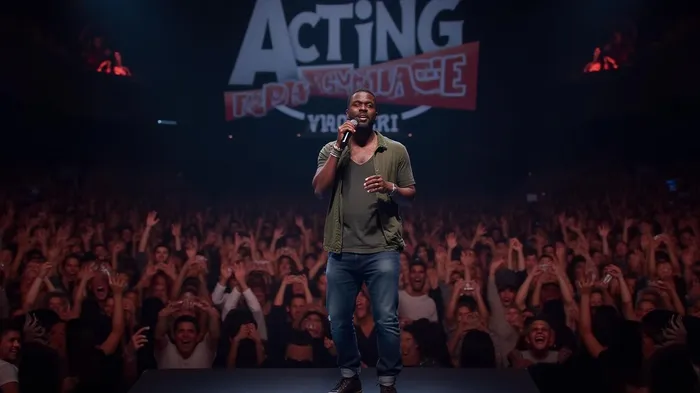
This tour underscores Hart’s strategic pivot to global markets. With North American dates resuming in mid-May, his live comedy business remains a cash cow. Yet, as , the stakes for balancing entertainment and enterprise grow higher.
Legal Crossroads: The J.T. Jackson Case
On May 3, a Los Angeles court ruled that Hart must cover all arbitration costs for a lawsuit involving Jonathan “J.T.” Jackson, a former associate. The dispute centered on Hart’s alleged breach of a 2021 settlement requiring him to publicly exonerate Jackson using specific language. Jackson, who relies on government assistance, argued Hart’s social media posts in 2021 caused “irreparable damage” to his reputation.
The judge’s decision emphasized Hart’s responsibility to ensure “access to justice” for financially disadvantaged plaintiffs—a stark reminder of the legal risks tied to his business decisions. While Hart has paid $6,750 so far, the total cost could exceed $100,000, per legal experts.
This ruling amplifies scrutiny of Hart’s past ventures. The collapse of Hart House, his vegan fast-food chain, and allegations of idea theft from Shark Tank contestant Lucas Bradbury (detailed in prior reports) have already tarnished his entrepreneurial image.
The Fragile Empire: Hartbeat and Beyond
Hart’s core business, Hartbeat, faces headwinds common to Hollywood’s austerity era. Despite remaining profitable, its valuation struggles reflect industry-wide challenges. Meanwhile, his venture capital fund and comedy income provide steady revenue, but high-profile failures like Hart House—closed by early 2024 after poor reviews—highlight execution risks.
“Hart’s comedy is his moat,” said entertainment analyst Lisa Torres. “But his business ventures lack the same consistency. Investors are wary of overvalued bets in saturated markets like fast food or plant-based proteins.”
The $650 million valuation tag from 2022 now seems aspirational. Hart’s focus on mergers or downsizing for Hartbeat, as hinted in prior reports, may be his best path to stability.
Conclusion: Comedy Can’t Compensate Forever
Kevin Hart’s April 30 triumph in India and May 3 legal setback illustrate a critical truth: his comedy career alone can’t insulate him from business missteps. While global tour revenue and TV deals will keep cash flowing, Hart’s broader ambitions—whether in production or venture capital—require sharper execution.
The data paints a clear picture: , but his liabilities, including arbitration costs and Hartbeat’s uncertain valuation, could narrow that margin. Investors and fans alike will watch whether Hart’s next moves—whether in comedy, litigation, or new ventures—can sustain his status as a multifaceted entertainment titan.
In an industry where reputation is currency, Hart’s next act must balance audacity with accountability. The stakes, as his legal and business records show, are higher than ever.

Stay ahead of the market.
Get curated U.S. market news, insights and key dates delivered to your inbox.


AInvest
PRO
AInvest
PRO



Comments
No comments yet