
Kenya Blocks Telegram Amid Protests, Media Crackdown
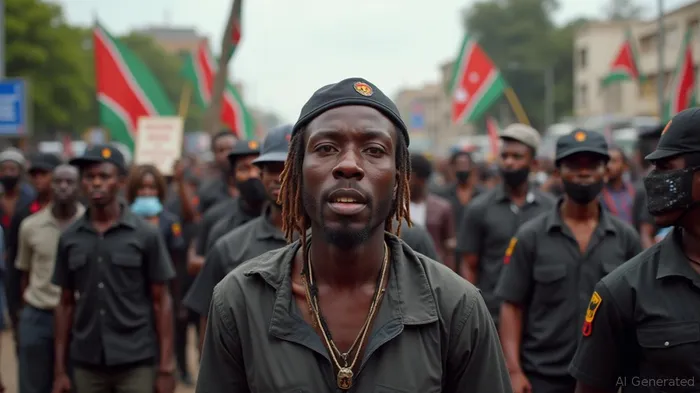
Kenya is currently experiencing widespread internet disruptions as authorities attempt to suppress communication during the ongoing June 25 protests, described as the largest in the nation’s history. The protests mark the one-year anniversary of anti-government rallies against the Finance Bill 2024.
Several social media platform X reports indicate that Kenyan internet service providers (ISPs) have targeted Telegram for interference. Real-time data from NetBlocks and the Open Observatory of Network Interference (OONI) reveal that multiple Kenyan ISPs, including Safaricom, Faiba, and Liquid Telecom, have restricted access to Telegram’s mobile app, website, and related services.
A network measurement conducted at 11:50 AM UTC on Safaricom Limited (AS33771) showed that Telegram’s mobile and web access were capped due to a generic timeout error. Both the app and web interface (web.telegram.org) have been deliberately blocked. On Safaricom, some Telegram components showed limited reachability between 10% and 14%, suggesting throttling rather than a full shutdown.
NetBlocks reported that Telegram’s web interface and link shortener functions were down as low as 0% on Faiba and Liquid Telecom. An OONI Probe test run on the same day at 3:04 PM local time confirmed that Telegram was the only app among those tested—including Facebook Messenger, WhatsApp, and Signal—that failed accessibility checks on the Safaricom Limited network.
At the same time, Kenya’s Communications Authority (CA) issued a directive to all television and radio broadcasters to cease live coverage of the protests immediately. A formal letter from the CA accused media outlets of violating Articles 33(2) and 34(1) of the Constitution and Section 461 of the Kenya Information and Communications Act by airing live footage of the protests.
Legal experts and civil society organizations have condemned the order. The Law Society of Kenya (LSK) President Faith Odhiambo called the directive “an absolute nullity in law” and an “affront to fundamental rights.” The government has not issued an official statement admitting to being part of, or apologizing for, any internet disruptions or media blackout.
The Kenya Human Rights Commission (KHRC) issued a statement reminding telcos, including Safaricom, Airtel Kenya, and Telkom Kenya, that a court order issued earlier this year prohibits any form of internet shutdown during public demonstrations. Justice Bahati Mwamuye granted the order in May in response to a petition by the International Commission of Jurists (ICJ) and other rights groups following the 2024 internet blackout during nationwide protests.
KHRC warned that any attempt by telecom companies to throttle, shut down, or downgrade internet services to 2G would be in direct violation of the court ruling and could attract legal consequences. Last year’s protests saw major cities paralyzed, with multiple reports of human rights violations by law enforcement.
This year, thousands of demonstrators took to the streets demanding justice for victims of alleged extrajudicial killings. Protesters gathered in major urban centers, including Nairobi, Kisumu, Mombasa, Nakuru, and Nyeri. Despite the Communications Authority’s directive, media houses still air footage from citizen journalists and livestreams online.

Stay ahead of the market.
Get curated U.S. market news, insights and key dates delivered to your inbox.






Comments
No comments yet