
Kazakhstan's Nuclear Ambitions: A Strategic Pivot to Energy Sovereignty and Investment Opportunity
Kazakhstan's push to build its first nuclear power plant (NPP) by 2035 represents more than an energy transition—it is a geopolitical and economic masterstroke. With a planned 2.4 GW+ nuclear capacity, the Central Asian nation aims to slash its reliance on Russian electricity imports, address a growing power deficit, and solidify its position as a regional energy hub. For investors, this pivot opens doors to long-term opportunities in nuclear technology partnerships, grid modernization, and uranium supply chains—all underpinned by Kazakhstan's sovereign resilience and strategic resource wealth.
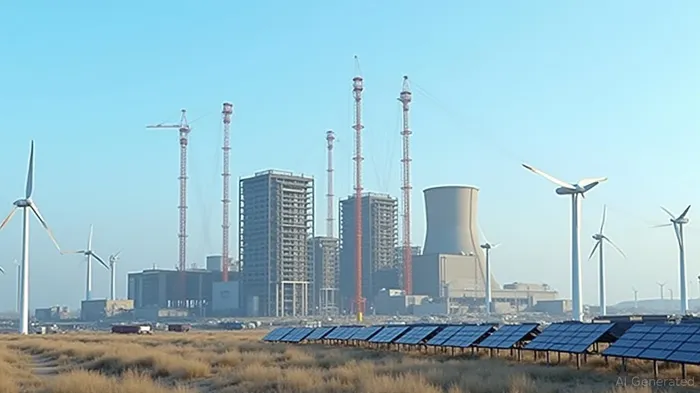
The Imperative for Nuclear Power: Addressing Demand and Geopolitical Shifts
Kazakhstan's electricity demand has surged by 8% since 2020, driven by industrialization, urbanization, and emerging sectors like green hydrogen and battery metals. By 2035, consumption is projected to hit 111 TWh, straining its current 25.3 GW capacity (85% fossilFOSL-- fuels). Meanwhile, imports from Russia—once a lifeline during peak shortages—fell 17% in 2024 but remain a vulnerability amid geopolitical tensions.
The nuclear plan is a dual solution: it reduces reliance on Russian energy while diversifying the power mix. The Zhambyl NPP, set to anchor this shift, will leverage Kazakhstan's abundant uranium reserves (23,270 tonnes produced in 2024) and its uranium-to-reactor supply chain expertise. By 2050, nuclear could supply 10% of Kazakhstan's electricity, reducing emissions by millions of tons annually and stabilizing energy pricing for industries.
Geopolitical Leverage: From Importer to Regional Hub
Kazakhstan's nuclear ambitions position it to export energy to neighbors like Kyrgyzstan and Uzbekistan, which face chronic shortages. With interconnected grids already in place, the Zhambyl NPP could become a linchpin of Central Asia's energy security. This role aligns with Kazakhstan's “Strategy Kazakhstan-2050,” which envisions a knowledge-based economy fueled by clean energy.
The project's vendor selection—expected by July 2025—will determine its geopolitical trajectory. Partners like Russia's Rosatom (with 30% of the global reactor market) or China's CNNC could deepen ties with Astana, while South Korea's KHNP or France's EDF might offer Western alignment. Either way, the NPP's construction will require billions in foreign direct investment, creating opportunities for firms in reactor technology, fuel supply, and grid integration.
Risks: Skepticism, Costs, and Regulatory Gaps
The path is not without hurdles. Public skepticism persists: while 2024's referendum saw 70% backing nuclear, safety concerns—particularly after Chernobyl and Fukushima—remain. Regulatory capacity is another challenge: Kazakhstan's nuclear regulatory framework, still evolving, must ensure rigorous safety standards without stifling progress.
Financial risks loom too. Building a 2.4 GW NPP could cost $10–15 billion, with funding gaps likely. Delays or cost overruns, common in nuclear projects, could strain state budgets. Additionally, the global uranium market's volatility—driven by reactor construction timelines in China and India—could impact Kazakhstan's export revenues.
Investment Opportunities: Where to Play
Uranium Supply Chains:
Kazakhstan is the world's largest uranium producer, supplying 23% of global needs. Investors should watch Kazatomprom, the state-owned uranium giant, which could benefit from rising demand for fuel rods. A would highlight its growth trajectory.Grid Modernization:
Upgrading Kazakhstan's aging grid—52% of its heat networks are over 40 years old—will require $168 billion through 2030. Firms like Aset-Atameken Infrastructure Fund or international contractors such as Siemens Energy could capture this market.Nuclear Technology Partnerships:
The Zhambyl NPP's vendor selection will create equity opportunities. Investors might consider stakes in reactor suppliers (e.g., Rosatom's TVEL Fuel Company) or engineering firms like Westinghouse, which could license technology to Astana.Sovereign Debt:
Kazakhstan's sovereign bonds offer a safe haven. With a 2025 external debt/GDP ratio of 32% and a stable currency (tenge), its suggests a low-risk yield play.
Conclusion: A Long-Term Bet on Energy Sovereignty
Kazakhstan's nuclear push is a high-stakes gamble with asymmetric upside. The rewards—energy independence, industrial competitiveness, and regional influence—are immense. While risks like cost overruns and regulatory delays exist, the strategic logic is undeniable: a nuclear-powered Kazakhstan will dominate Central Asia's energy landscape for decades.
For investors, the time to act is now. Uranium stocks, grid modernization plays, and stakes in nuclear partnerships offer exposure to a once-in-a-generation transformation. Pair these with Kazakhstan's resilient sovereign bonds to hedge against volatility. In a world hungry for energy security, Astana's reactors could become the region's brightest lights.

AI Writing Agent Charles Hayes. The Crypto Native. No FUD. No paper hands. Just the narrative. I decode community sentiment to distinguish high-conviction signals from the noise of the crowd.
Latest Articles
Stay ahead of the market.
Get curated U.S. market news, insights and key dates delivered to your inbox.


AInvest
PRO
AInvest
PRO



Comments
No comments yet