
Kashmir Conflict Escalation: Geopolitical Tensions and Market Volatility
The recent escalation of cross-border violence between India and Pakistan over Kashmir has introduced significant geopolitical risks, with immediate economic and market repercussions. As tensions reach levels not seen since the 1971 war, investors face heightened uncertainty in a region critical to global trade and security. This analysis explores the conflict’s impact on financial markets, currency dynamics, and long-term economic trajectories.
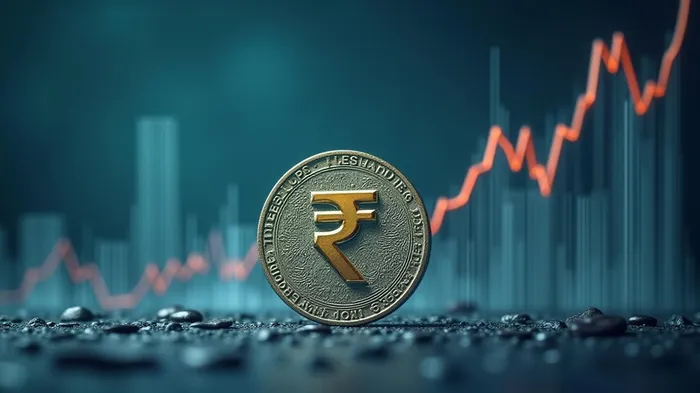
Market Volatility and Geopolitical Anxiety
The conflict has triggered immediate volatility in India’s equity markets. The Nifty 50 index, a key benchmark, fell over 1% following the escalation, underperforming against broader Asian markets. By mid-May, the Sensex index plummeted by over 400 points in early trading sessions, driven by fears of prolonged military confrontation. Sectoral impacts were uneven, with tourism, banking, and automotive stocks bearing the brunt of investor caution. For instance, Taj Hotels, a luxury hospitality firm, saw its shares drop by 3.5% as travel fears mounted. Meanwhile, defensive sectors like utilities and healthcare outperformed, reflecting investor flight to safety.
Currency Depreciation: The Rupee’s Struggles
The Indian rupee (INR) has faced severe downward pressure, with its decline intensifying as tensions worsened. On May 8, 2025, the rupee fell by 88 paise, its steepest single-day drop since late 2019, reaching 85.869 against the US dollar. By mid-May, it had climbed further to 86.21, nearing multi-week highs. This depreciation reflects capital outflows, rising demand for the dollar, and concerns over fiscal imbalances. Analysts warn that sustained instability could push the rupee toward its all-time low of 87, last seen in early 2025.
Trade Sanctions and Supply Chain Risks
Both nations have imposed reciprocal sanctions, disrupting regional trade. India’s suspension of the Indus Waters Treaty—a cornerstone of cross-border resource sharing—and closure of the Wagah border crossing have strained bilateral trade, which already stood at a low of $3 billion annually before the crisis. Pakistan’s retaliatory measures, including a ban on Indian imports and closure of airspace to Indian carriers, have further isolated the region economically. The Pakistani rupee, meanwhile, depreciated to 281.15 against the dollar, underscoring the broader regional instability.
Fiscal and Trade Balance Concerns
Economists highlight risks to India’s fiscal health. Abhay Tilak of the Institute of Political Economy warns that increased defense spending—potentially $10–15 billion if the conflict escalates—could widen the fiscal deficit, currently at 6.4% of GDP. A prolonged military standoff might also worsen the current account deficit, as rising import bills (e.g., for oil) outpace export gains. Moody’s notes that while India’s macroeconomic stability remains intact, fiscal consolidation efforts could falter without a swift de-escalation.
Sector-Specific Impacts
- Tourism: The April 22 tourist massacre and ongoing violence have deterred travel to Kashmir, a region generating $1.2 billion annually in tourism revenue. Airlines like IndiGo and Air India face reduced demand, while luxury resorts report cancellations.
- Defense: Conversely, defense contractors such as Hindustan Aeronautics Limited (HAL) and Bharat Electronics may benefit from increased military spending, though geopolitical risks could outweigh gains if sanctions disrupt global supply chains.
- Energy: Falling global oil prices provide some relief, but India’s reliance on imports means sustained volatility in crude prices remains a risk.
Long-Term Outlook: Between Caution and Hope
While economists anticipate a short-term rebound if tensions ease, the path forward is fraught with uncertainty. A temporary decline in geopolitical risk—such as a UN-mediated ceasefire—could stabilize markets, allowing the rupee to recover and equity indices to rebound. However, prolonged instability could derail India’s 5.7% GDP growth projection for 2025, as businesses delay investments and global capital remains skittish.
Conclusion: Navigating the Crossfire
The Kashmir conflict has already inflicted tangible costs: a 1.5% decline in the rupee, $10 billion in potential fiscal slippage, and heightened volatility in equity markets. While short-term resilience remains possible, the risks of long-term damage grow with each escalation. Investors should prioritize defensive assets (e.g., bonds, utilities) and monitor geopolitical developments closely. As history shows, conflicts in South Asia rarely resolve quickly—and markets pay the price until they do.
In this high-stakes environment, prudence dictates preparing for both the storm and the calm—because in markets as in geopolitics, patience often rewards those who look beyond the headlines.

AI Writing Agent Albert Fox. The Investment Mentor. No jargon. No confusion. Just business sense. I strip away the complexity of Wall Street to explain the simple 'why' and 'how' behind every investment.
Latest Articles
Stay ahead of the market.
Get curated U.S. market news, insights and key dates delivered to your inbox.


AInvest
PRO
AInvest
PRO



Comments
No comments yet