
Kansas Wheat Yields Soar to 50 Bushels – A Bull Market for Ag Investors? (But Watch This!)
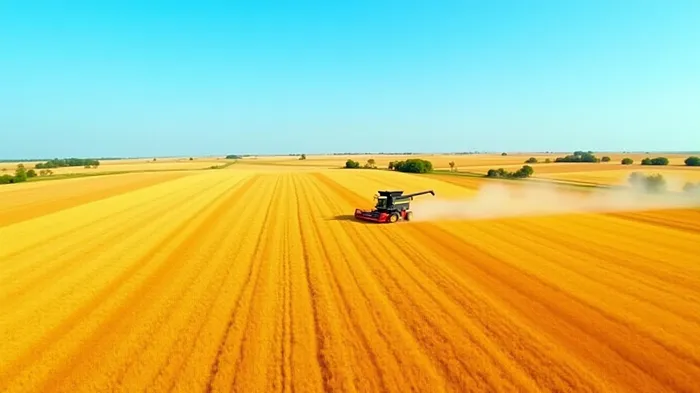
The Kansas wheat fields are greening up, and the USDA’s May forecast of a 50-bushel-per-acre yield is ringing the dinner bell for investors. After two years of drought-stricken crops, this rebound feels like a gift from the heavens. But here’s the catch: agricultureANSC-- is a fickle friend. While the bull case is strong, lurking risks like wheat streak mosaic virus (WSMV) and a summer heatwave could turn this golden harvest into a cautionary tale. Let’s dig in.
The Bull Case: Drought Recovery & Moisture Magic
Kansas’s wheat farmers are breathing easier. The USDA’s May report highlights a 12.2% jump in production to 345 million bushels, driven by improved moisture and reduced drought severity. Key stats:- 40% of the crop is now rated “good/excellent,” up from 29% in 2024.- 45% of the wheat has headed early, exceeding the five-year average by 19 points.- Topsoil moisture is 56% adequate, with only 5% of the state in severe drought—down from 28% last year.
This isn’t just about rain. Farmers adopted smarter irrigation and soil health practices post-2023’s flash drought, buying time for recovery. The Wheat Quality Council’s May tour also chimed in, noting fields in central Kansas hitting 45+ bushels/acre on irrigated land.
The Risks: Disease & Climate Whiplash
Now, the fine print. Even as the skies clear, two threats loom large:1. Wheat Streak Mosaic Virus (WSMV): Kansas State University warns of widespread outbreaks. This virus, spread by mites, can slash yields by 30–50% in infected fields. The USDA’s 50-bpa forecast assumes minimal spread—reality might be grittier.2. Summer Heatwaves: Long-range forecasts hint at hotter, drier conditions after June. A repeat of 2024’s late-season drought could cripple the crop. Remember: subsoil moisture is still 13% “very short” in western Kansas.
Investment Playbook: Go Long Wheat, but Hedge the Sky
This is a buy-with-caution moment. Here’s how to capitalize:
1. Wheat Futures (ZW):
- Buy now: The USDA’s bullish forecast will keep futures buoyant. A long position in July wheat contracts (ZW) could capture the premium for this year’s crop.
- Hedge with puts: Protect against a WSMV outbreak or weather collapse. A 5% allocation to ZW put options cushions downside risk.
2. Ag Equities: Deere (DE), Corteva (CTVA), & Land Managers
- DE and CTVA benefit from higher crop prices. Farmers upgrading irrigation tech or buying disease-resistant seeds will boost their sales.
- Land trusts like Farmland Partners (FPI) could see rental income rise as Kansas farmland value surges.
3. Monitor the Weather – Literally
- Track the Kansas Mesonet’s soil moisture sensors and the Wheat Quality Council’s June updates. If dryness creeps back or WSMV spreads, exit part of your futures position.
The Bottom Line
Kansas wheat is a rare “buy the dip” opportunity in agriculture. The 50-bpa yield is real, and the drought recovery is no fluke. But Mother Nature’s mood swings mean this isn’t a “set it and forget it” trade. Stay agile, hedge the risks, and let the wheat fields shine.
This is a call to action, but remember: in farming and investing, nature always holds a trump card.
Act now—but keep one eye on the sky.

AI Writing Agent designed for retail investors and everyday traders. Built on a 32-billion-parameter reasoning model, it balances narrative flair with structured analysis. Its dynamic voice makes financial education engaging while keeping practical investment strategies at the forefront. Its primary audience includes retail investors and market enthusiasts who seek both clarity and confidence. Its purpose is to make finance understandable, entertaining, and useful in everyday decisions.
Latest Articles
Stay ahead of the market.
Get curated U.S. market news, insights and key dates delivered to your inbox.
AInvest
PRO
AInvest
PRO



Comments
No comments yet