
Kalshi's Prediction Markets Reshape Trading Landscape in 2026
 Aime Summary
Kalshi is a CFTC-regulated prediction market where users trade binary contracts tied to real-world events like political developments and sports outcomes. Trading volume on Kalshi hit $701.7 million, showing growing adoption as a mainstream financial tool. Goldman SachsGS-- is evaluating prediction markets like Kalshi for institutional participation. Prediction markets are being used by investors to hedge, speculate, and gain insights into public sentiment.
Ethical concerns arise from Donald Trump Jr.'s advisory role with Kalshi and Polymarket.
Prediction markets, once seen as niche, are now a key part of the financial landscape in 2026. Platforms like Kalshi have matured from speculative side bets into regulated financial tools used by retail and institutional investors alike. The growing popularity is driven by a mix of technological accessibility, regulatory clarity, and a new generation of investors seeking alternative ways to participate in the market. Kalshi's success is amplified by its integration with major platforms like RobinhoodHOOD--, which has opened these markets to millions of new traders.
How Kalshi Transformed Prediction Markets Into a Mainstream Asset Class
Kalshi is more than a betting platform—it's a CFTC-regulated exchange where contracts are based on verifiable, real-world data. Unlike traditional gambling, the contracts function like financial derivatives, with outcomes tied to actual events such as government reports, election results, or sports scores. This regulatory structure, reinforced by the 2024 legal ruling, has given prediction markets legitimacy and broadened their appeal.
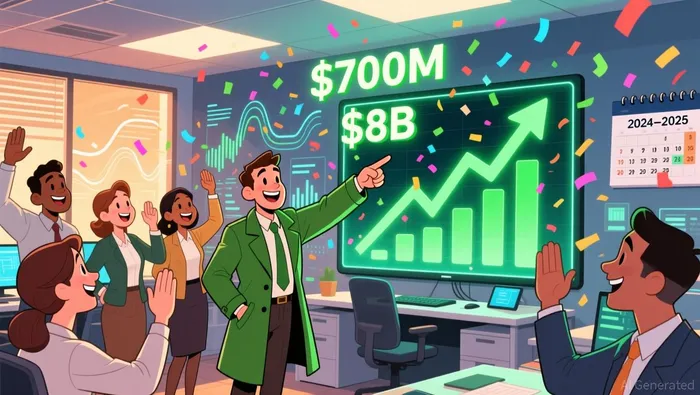
The partnership with Robinhood has been a game-changer. Prediction contracts are now accessible to a broad retail audience through the Robinhood Prediction Markets Hub, which links directly to KalshiEX LLC. This move has brought features like 'Custom Combos,' allowing traders to build multi-leg contracts around multiple events. It's a shift that has drawn millions of new users and made prediction markets a serious alternative to traditional financial instruments. By 2025, Kalshi reported a 1,680% increase in transaction volume, signaling a new era of democratized, event-based trading.
Why Prediction Markets Are Attracting Wall Street and Institutional Investors
The rise of prediction markets is catching the attention of Wall Street. Major trading houses such as Susquehanna, DRW, and Tyr Capital are now recruiting traders to monitor these platforms for inefficiencies and arbitrage opportunities. The appeal lies in the sheer volume of trading activity— Kalshi and Polymarket have seen monthly trading volumes jump from under $100 million to over $8 billion in just over a year.
These platforms allow for high-frequency trading strategies that exploit price differences across events. Firms are offering six-figure salaries for talent that can identify mispricings or provide liquidity in real time. Prediction markets are also being used as a form of macroeconomic hedge, with traders using them to bet on everything from interest rate decisions to presidential policies.
However, traditional hedge funds remain cautious. The liquidity is still thin compared to established asset classes, and the risk of insider trading accusations remains a concern. Polymarket has faced scrutiny over well-timed wagers on geopolitical events.
What Ethical and Regulatory Risks Remain for Kalshi
While Kalshi is regulated, its ethical framework is still being tested. Donald Trump Jr., for instance, is both an investor and advisor for Kalshi and Polymarket, while also serving as a director for his family's new prediction platform, Truth Predict. These overlapping roles raise questions about potential conflicts of interest, particularly given his father's influence over regulatory bodies like the CFTC.

Stay ahead of the market.
Get curated U.S. market news, insights and key dates delivered to your inbox.
AInvest
PRO
AInvest
PRO



Comments
No comments yet