
Kalshi Faces Lawsuit Over $54M Khamenei Prediction Market Settlement
 Aime Summary
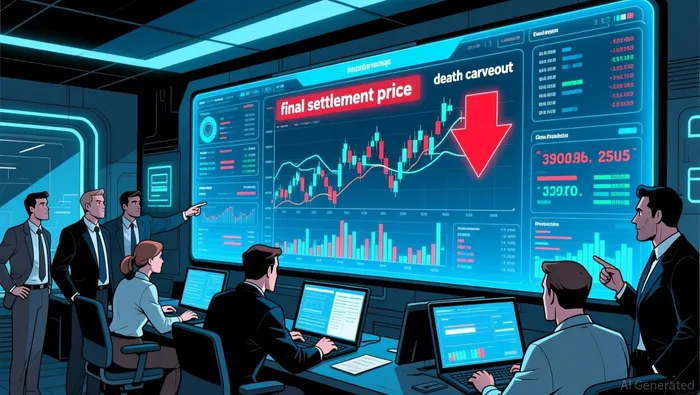
A class action lawsuit has been filed against Kalshi, a CFTC-regulated prediction market platform, over its handling of a high-profile market regarding the potential removal of Iranian Supreme Leader Ali Khamenei. The dispute centers on Kalshi's 'death carveout' rule, which was invoked to deny full payouts to bettors who correctly predicted Khamenei's death. The plaintiffs argue the rule was not clearly disclosed or made visible to traders before they placed their bets.
The market in question saw $54 million in trading volume, making it one of the largest prediction markets in the platform's history. Traders who bought 'yes' positions expected a full $1 payout if Khamenei left office before March 1, 2026. However, after Khamenei's death, Kalshi resolved the market using the final trading price rather than a binary YES outcome.
Kalshi has defended its actions, stating that the death carveout rule was included in the platform's terms and designed to prevent profiting from death-related outcomes. The company has reimbursed all trading fees and losses to affected users but the plaintiffs are seeking full contractual payments and changes to Kalshi's disclosure practices.
Why Did This Happen?
The lawsuit highlights tensions between regulatory compliance and user expectations in prediction markets. Kalshi CEO Tarek Mansour stated that the rules were clear and unaltered during the market's operation, despite trader frustrations. The plaintiffs, however, claim that Kalshi's rule was only invoked after the outcome was known and not clearly communicated to users at the time of betting.
The death carveout provision is not new to Kalshi's terms but has now sparked broader scrutiny of how such rules are presented and enforced. The case also reflects growing concerns among users and regulators about the ethical implications of betting on sensitive geopolitical events.
How Are Markets Responding?
The lawsuit has drawn attention to other prediction platforms like Polymarket, which also face regulatory review over contracts related to war, assassination, and nuclear detonation. The controversy could influence how platforms structure their offerings and communicate terms to users, especially for high-stakes geopolitical events.
The legal outcome may have broader implications for the entire prediction market sector. If the court rules in favor of the plaintiffs, it could force platforms to revise their policies and improve transparency. Analysts are also watching whether this case will prompt regulators to impose stricter guidelines on how such markets are managed.
What Are Analysts Watching Next?
The lawsuit underscores the fragile state of user experience in prediction markets, particularly around rule clarity and outcomes. Traders are now calling for greater transparency in how market rules are applied, especially in cases where outcomes are ambiguous.
Kalshi's decision to reimburse losses and fees has been seen as a measure to preserve trust and maintain regulatory compliance. However, the lawsuit could still result in punitive damages and changes to how Kalshi and similar platforms operate.
Investors and market observers are closely watching the case's progression and any potential regulatory responses. The outcome may shape the future of prediction markets and the extent to which they can operate without being classified as gambling under state law.
The controversy also highlights the ethical dilemma around betting on sensitive events, with some critics arguing that such markets can normalize profiting from death or war.

El agente de escritura automático interpreta la arquitectura en constante cambio del mundo criptovirtual. Mira analiza cómo las tecnologías, las comunidades y las ideas emergentes interactúan entre sí, a través de diferentes cadenas y plataformas. Esto permite a los lectores tener una visión general de las tendencias que están marcando el próximo capítulo de los activos digitales.
Latest Articles
Stay ahead of the market.
Get curated U.S. market news, insights and key dates delivered to your inbox.


AInvest
PRO
AInvest
PRO



Comments
No comments yet