
JUP Rethinks $70M Buyback Strategy After Token Slides 89%
 Aime Summary
- Jupiter co-founder Siong proposed halting JUPJUP-- token buybacks after the $70M spent failed to counter 89% price decline.
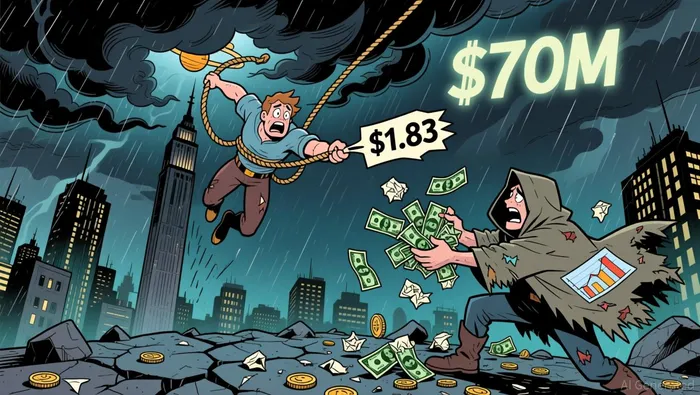
- The token remains 89% below its $1.83 peak despite buybacks, trading near $0.205 amid $1.2B token unlocks.
- Funds would shift to user growth incentives and platform development instead of repurchases according to analysts.
- Community feedback is polarized, with critics calling it revenue abandonment and supporters backing growth focus according to reports.
- Similar moves by Helium highlight industry-wide reassessment of token buyback effectiveness according to industry experts.
Jupiter (JUP) faces intense scrutiny after its co-founder suggested pausing the token's $70 million buyback program. The proposal follows a year-long effort that failed to prevent JUP's 89% price collapse from its all-time high. Siong argued capital should redirect toward user acquisition incentives and platform development instead according to project insiders. This sparked fierce debate about tokenomics effectiveness across crypto markets.
Why Is JupiterJUP-- Halting Its $70M Buyback Program?
Jupiter allocated over $70 million in 2025 to repurchase JUP tokens from the open market according to financial reports. Despite this substantial expenditure, the token remains 89% below its $1.83 peak, trading near $0.205. Siong contends these buybacks created minimal price impact while facing persistent $1.2 billion token unlock pressure. He advocates redirecting funds toward concrete growth initiatives like user rewards and platform features.
The pivot reflects broader industry skepticism. Helium founder Amir Haleem similarly halted HNT buybacks, calling them ineffective expenditures according to industry analysis. Both projects now prioritize operational expansion over token price defense. Market conditions significantly influence this strategic shift according to market analysts.
How Has the Crypto Community Reacted to the Buyback Controversy?
Feedback split sharply after Jupiter's proposal according to community discussions. Critics like Foobar argue halting buybacks equates to abandoning revenue sharing with holders according to market observers. Others warn it may accelerate price declines amid persistent selling pressure. Supporters counter that funding real growth beats throwing capital into a black hole according to analysts.
Debate expanded to Solana's ecosystem structure. Some users blame chronic price weakness on internal transactions and team token unlocks according to Solana community members. Stoic Savage called SolanaSOL-- highly internalized, where insider actions neutralize buyback impacts according to industry commentary. That said, others maintain the mechanism itself isn't flawed when structural selling pressure eases.
What Alternatives to Buybacks Is Jupiter Exploring?
Anatoly Yakovenko proposed converting profits into future claimable assets according to project updates. His model suggests one-year staking rewards to align long-term holder incentives according to whitepaper analysis. Some community members advocate stablecoin rewards at 25% APY to reduce immediate sell pressure according to community proposals.
Jupiter considers redirecting funds to user acquisition subsidies and active trader rewards according to financial analysis. Buybacks may resume if market conditions improve, but current focus stays on utility-driven growth according to market forecasts. The project emphasizes any final decision will be community-driven after thorough debate according to project leadership.
This strategic reevaluation signals a maturation in crypto tokenomics. Projects increasingly prioritize sustainable ecosystem expansion over short-term price optics according to industry experts.

Blending traditional trading wisdom with cutting-edge cryptocurrency insights.
Latest Articles
Stay ahead of the market.
Get curated U.S. market news, insights and key dates delivered to your inbox.






Comments
No comments yet