
The Juneteenth Cake Controversy: Kroger's PR Crisis and the Rising Stakes of Corporate Social Responsibility in Retail
The recent backlash against Kroger's Juneteenth-themed cookie cakes—a viral TikTok expose of poorly designed desserts with phrases like “Free @ Last”—has exposed a critical flaw in the retail giant's approach to cultural sensitivity. This incident, which sparked accusations of insensitivity and exploitation of Black history, underscores the growing risks for corporations that fail to align their marketing and product strategies with evolving consumer expectations around corporate social responsibility (CSR). For investors, the episode raises urgent questions: How do missteps in culturally sensitive product launches impact brand equity and consumer trust? And what does this mean for investment risks and opportunities in CSR-driven consumer goods companies?
The Controversy: A Symbol of Tone-Deaf Marketing
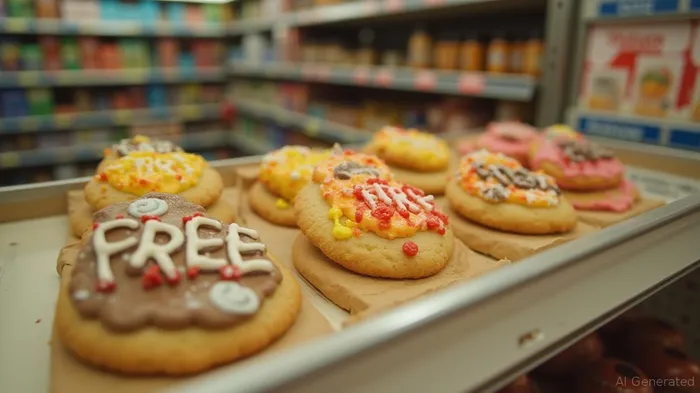
The controversy began when a TikTok user in Atlanta, Georgia, posted a video criticizing Kroger's minimalist Juneteenth cakes, which featured sloppily piped slogans like “June 19 FREE” and “Free @ Last.” The video, which garnered over 7 million views, drew comparisons to Walmart's past missteps—such as its 2022 Juneteenth-themed ice cream and 2023 watermelon cakes—and amplified accusations of cultural appropriation and exploitation of Black history for commercial gain. Critics argued that the cakes reduced Juneteenth—a federal holiday commemorating the end of slavery—to a lazy marketing ploy, particularly given the misspelled reference to Dr. Martin Luther King Jr.'s “Free at Last” speech.
Kroger's response—removing the cakes but failing to replace them with improved designs—further fueled criticism. While the company cited “quality control” failures, the incident revealed deeper systemic issues: a lack of cultural competence training, inadequate oversight of localized store practices, and insufficient engagement with Black communities to inform such initiatives.
Impact on Brand Equity and Consumer Trust
The backlash has already begun to erode Kroger's reputation as a socially responsible retailer. A 2024 Nielsen survey found that 66% of U.S. consumers believe companies have a responsibility to address social and environmental issues, while 73% are more likely to trust brands that align with their values. Kroger's misstep risks alienating this growing demographic of “cultural consumers,” who increasingly demand authenticity in corporate actions.
The financial implications are clear. shows a modest dip (–1.2%) ahead of the Juneteenth holiday, though its 1-year return of 26% suggests broader resilience. However, sustained reputational damage could pressure Kroger's valuation, particularly as competitors like Target and Walmart have invested in partnerships with Black-owned businesses to strengthen their CSR credentials. For example, Walmart's Juneteenth Innovation Hub—a platform for Black entrepreneurs—has been praised as a more meaningful approach to cultural engagement.
Investment Risks: The Cost of CSR Missteps
The KrogerKR-- controversy highlights three key risks for consumer goods companies:
1. Reputational Damage: Viral social media criticism can amplify reputational losses, driving customers and investors to competitors with stronger CSR track records.
2. ESG Rating Downgrades: Ratings agencies like MSCI and Sustainalytics increasingly penalize companies for cultural insensitivity, making it harder to attract ESG-focused capital.
3. Legal and Regulatory Exposure: As states and municipalities pass laws mandating diversity in supply chains (e.g., California's SB 1000), companies like Kroger face heightened risks of lawsuits over exclusionary practices.
Opportunities in CSR-Driven Retail
The incident also underscores opportunities for investors to capitalize on companies that prioritize cultural competence and authentic community partnerships. Key trends to watch:
- Black-Owned Vendor Partnerships: Retailers that source Juneteenth products from Black-owned businesses (e.g., Target's Juneteenth Collection) or invest in Black entrepreneurship are better positioned to build trust and ESG credibility.
- Transparent ESG Reporting: Companies like Costco and Safeway that disclose metrics on diversity in supply chains and cultural spending will attract ESG investors, who now manage $35 trillion in assets globally.
- Cultural Consumerism: Markets for culturally resonant products—from Afrocentric beauty lines to heritage-themed foods—are growing at 12% annually, creating niches for CSR-forward brands.
Investment Strategy: Navigating the New Landscape
For investors, the Kroger case offers a cautionary tale and a roadmap:
- Underweight Kroger: Until the company demonstrates measurable improvements in cultural competence (e.g., third-party audits, partnerships with Black advocacy groups), consider reducing exposure to its stock.
- Overweight Competitors: Target, Walmart, and Publix—which have stronger ESG ratings and community-focused initiatives—may benefit from Kroger's missteps.
- ESG ETFs with a Cultural Lens: Funds like the iShares MSCI USA ESG Leaders ETF (ESGU), which exclude companies with cultural sensitivity controversies, provide diversified exposure to CSR-driven retailers.
Conclusion: The New Bar for Retail Success
The Juneteenth cake controversy is not an isolated incident but a symptom of a broader shift: cultural competence is now a core business imperative. For retailers, the costs of failing to engage authentically with marginalized communities—whether through products, partnerships, or policies—are rising. Investors, in turn, must prioritize companies that treat CSR as a strategic advantage, not a PR afterthought.
In Kroger's case, recovery will require more than a public apology. It demands systemic changes: training programs for store teams, partnerships with Black-owned suppliers, and transparent ESG metrics to rebuild trust. For now, the incident serves as a stark reminder that in the age of social media and cultural consumerism, a company's reputation is only as strong as its commitment to respect.
Harriet Clarfelt is a financial analyst specializing in ESG investing and consumer behavior trends.

Delivering real-time insights and analysis on emerging financial trends and market movements.
Latest Articles
Stay ahead of the market.
Get curated U.S. market news, insights and key dates delivered to your inbox.
AInvest
PRO
AInvest
PRO



Comments
No comments yet