
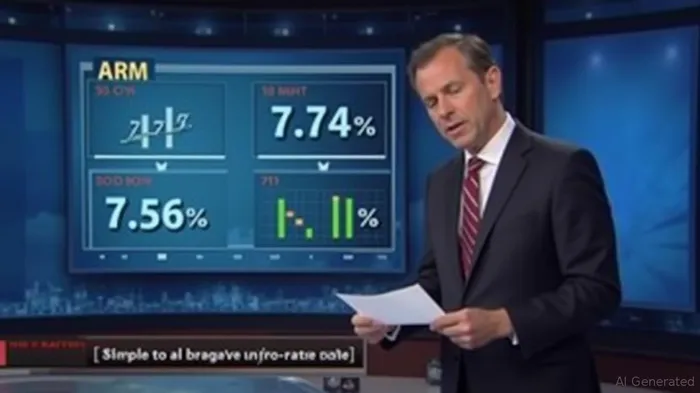
July 29 ARM rates 5/1 at 7.74% 7/1 at 7.56% as 8% of buyers adopt in high-rate climate
 Aime Summary
The current average rates for adjustable-rate mortgages (ARMs) as reported on July 29, 2025, indicate a 5-year ARM at 7.74% and a 7-year ARM at 7.56%, according to Zillow data cited by Fortune [1]. These figures reflect a market where fixed-rate mortgages remain dominant, accounting for 92% of U.S. mortgage holders. The persistence of high interest rates continues to shape borrower preferences, with ARMs appealing to a niche but growing segment of buyers seeking short-term advantages [1].
Adjustable-rate mortgages operate on a hybrid structure, offering an initial fixed-rate period—typically 5 to 10 years—before transitioning into an adjustment phase tied to benchmark rates such as the Secured Overnight Financing Rate (SOFR). Lenders add a margin to these benchmarks, and caps limit rate increases during specific periods or over the loan’s lifetime. Common ARM structures include 5/1 and 7/1 terms, with refinancing to fixed-rate loans becoming a viable option for borrowers who extend their ownership beyond the initial fixed period [1].
The strategic appeal of ARMs lies in their flexibility. For short-term or starter home buyers, the lower initial rates can reduce entry costs, particularly in a high-rate environment. Investors also benefit from ARMs’ potential for short-term gains, as they can sell properties before rate adjustments or adjust rental income to offset increases. Additionally, ARMs provide an alternative for buyers during periods of elevated fixed-rate mortgages, offering the possibility of lower initial payments and future rate reductions if economic conditions improve [1].
Despite these advantages, ARMs carry inherent risks. Post-fixed-period adjustments can lead to unpredictable monthly payments, and the complexity of their terms makes rate comparisons more challenging than for fixed-rate loans. Borrowers must also navigate margins and caps, which vary by lender and creditworthiness. Refinancing to a fixed-rate mortgage remains a common exit strategy for those who extend their ownership beyond the initial fixed period, though this process mirrors refinancing fixed-rate loans in its requirements [1].
The market’s reliance on fixed-rate mortgages underscores a preference for stability, yet the 8% of households opting for ARMs highlight their role in specific scenarios. Analysts note that ARMs may gain traction as tools for managing high-interest-rate environments, particularly for buyers with uncertain long-term plans. However, the decision to choose an ARM requires careful evaluation of market trends, personal financial goals, and risk tolerance [1].
[1] Source: [1]Current ARM mortgage rates report for July 29, 2025 (https://fortune.com/article/current-arm-mortgage-rates-07-29-2025/)

Stay ahead of the market.
Get curated U.S. market news, insights and key dates delivered to your inbox.


AInvest
PRO
AInvest
PRO



Comments
No comments yet