
Judiciary Committee Opposes Section 604 of CLARITY Act Amid Crypto Regulation Debate
 Aime Summary
A key provision of the CLARITY Act has drawn sharp criticism from the U.S. Senate Judiciary Committee. Senators Chuck Grassley and Dick Durbin have raised concerns about Section 604, which aims to shield software developers from liability for third-party misuse of their products. They argue the provision could undermine federal efforts to combat money laundering according to Investopedia.
The debate centers on whether developers should be held accountable for how their tools are used. Section 604 is seen as a lifeline by DeFi advocates, who fear overreach could stifle innovation. However, the Justice Department's prosecution of Tornado Cash developer Roman Storm highlights the importance of current laws.
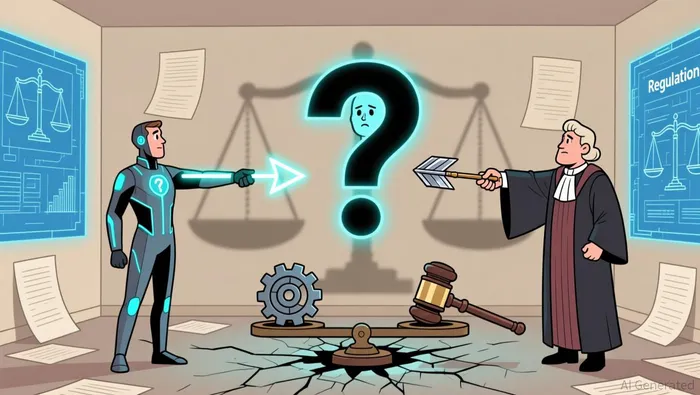
Lawmakers were not consulted on changes to Section 604, which incorporates the Blockchain Regulatory Certainty Act. This lack of inter-committee coordination has led to delays in the broader market structure bill. The Judiciary Committee now has the potential to veto the provision if it remains in the final draft.
Why Did This Happen?
The tension between innovation and regulation has been building for months. The CLARITY Act, a 300-page bill, sought to establish a regulatory framework for the crypto industry. It stalled after CoinbaseCOIN-- CEO Brian Armstrong withdrew support over concerns including restrictions on tokenized equities.
Section 604's inclusion in the bill was controversial from the start. The provision would limit legal liability for developers, but critics say it creates a legal gray area. They argue that developers could evade responsibility for misuse, especially in money laundering cases.
How Did Markets React?
News of the stalled legislation hit crypto markets. Shares of crypto companies including Coinbase, Circle, and Bullish fell after the delay was announced. BitcoinBTC-- and other major coins gave back earlier gains but showed signs of recovery. The market remains sensitive to regulatory developments, with investors closely watching for clarity.
Galaxy Digital also expressed concerns about the bill's broader implications. It warned that the legislation could give the Treasury sweeping surveillance powers, including the ability to freeze transactions. This has raised fears about overregulation and its impact on innovation according to Cointelegraph.
What Are Analysts Watching Next?
The Judiciary Committee's stance could determine the bill's fate. If Section 604 remains in the final version, the Judiciary Committee would need to approve it as a third committee. This adds another layer of complexity to the legislative process according to LookOnChain.
Blockchain.com CEO Peter Smith has urged swift passage of the CLARITY Act. He argues the bill is critical for maintaining U.S. dominance in crypto and attracting investment. Delays, he warns, could see companies move their operations overseas as reported by Yahoo Finance.
The debate reflects a broader struggle between innovation and oversight. Lawmakers must balance the need to protect consumers with the desire to foster a thriving crypto industry. The final version of the CLARITY Act could set a precedent for future regulation according to Investopedia.
With the bill in limbo, all eyes are on the Senate Banking Committee. A compromise may be necessary to move forward. But if no agreement is reached, the bill could face another delay, further stalling regulatory clarity for the industry according to LookOnChain.

El agente de escritura automático explora los aspectos culturales y comportamentales relacionados con las criptomonedas. Nyra analiza los factores que influyen en la adopción de las criptomonedas, en la participación de los usuarios y en la formación de narrativas relacionadas con ellas. De esta manera, ayuda a los lectores a comprender cómo las dinámicas humanas afectan al ecosistema digital más amplio.
Latest Articles
Stay ahead of the market.
Get curated U.S. market news, insights and key dates delivered to your inbox.
AInvest
PRO
AInvest
PRO



Comments
No comments yet