
Judge Upholds Trump H-1B Fee, Boosting Reforms Targeting Skilled Labor
 Aime Summary
A federal judge in Washington has upheld a $100,000 annual fee for new H-1B visa applications, a move that aligns with the Trump administration's broader efforts to reform the popular work visa program according to reports. The ruling, issued by U.S. District Judge Beryl Howell, dismisses arguments that the fee exceeds the president's authority and affirms the administration's stance that the visa system has been exploited to the detriment of American workers according to the ruling. This decision strengthens the administration's campaign to prioritize high-skilled, high-paid foreign workers and to curb perceived abuses in the H-1B system.
The ruling comes amid a series of regulatory changes aimed at overhauling how H-1B visas are distributed. The Trump administration is replacing the random lottery system with a weighted selection process that will favor applicants with higher salaries and specialized skills. This shift reflects a broader policy focus on protecting domestic jobs and ensuring that foreign workers do not undercut U.S. labor markets according to policy analysis. The new system will take effect on February 27, 2026, and will apply to the upcoming H-1B cap registration season according to the announcement.
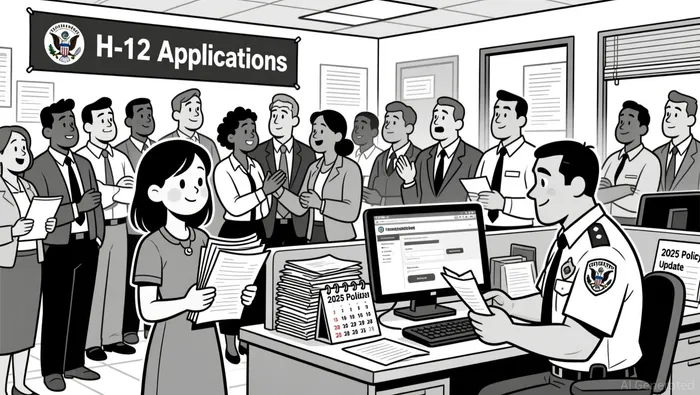
The U.S. Chamber of Commerce, which had sued to block the $100,000 fee, argued that it violated federal immigration law and unfairly burdened businesses according to the chamber. The Chamber's legal team contended that the fee was excessive and could stifle innovation by limiting access to global talent according to legal filings. However, Judge Howell rejected this argument, stating that the president has broad statutory authority to address issues related to economic and national security according to the court's decision. The decision allows the Trump administration to proceed with its reforms without immediate legal interference.
Why the Standoff Happened
The H-1B visa program has long been a focal point for debates over immigration and labor policy. Critics argue that the current system has been used by some companies to import foreign workers at lower wages than what U.S. employees receive according to critics. Supporters, however, maintain that the program is crucial for industries like technology, where specialized skills are in high demand according to industry analysis. The Trump administration has sought to recalibrate the program to align with its economic nationalism, emphasizing the need to protect American workers from what it views as unfair competition according to policy documents.
The $100,000 fee and the lottery overhaul are part of a broader strategy to address these concerns. The administration has also introduced a "gold card" visa for wealthy individuals willing to invest $1 million in the U.S., offering a pathway to citizenship according to the announcement. These measures signal a shift in immigration policy that prioritizes economic interests and aligns with the administration's "America First" agenda according to policy analysts.
Risks to the Outlook
While the administration's reforms have received judicial backing, they remain under legal scrutiny. At least two additional lawsuits challenging the $100,000 fee are still active, and the U.S. Chamber of Commerce has indicated it will consider further legal options according to legal updates. These legal challenges highlight the contentious nature of the reforms and the potential for future delays or modifications according to legal experts. The outcome of these cases could influence how effectively the new policies are implemented.
The changes also carry risks for sectors that rely heavily on H-1B workers. Tech companies like Amazon, Microsoft, and Apple have historically been the largest beneficiaries of the program according to industry reports. The weighted selection process and increased costs may reduce their access to skilled labor, potentially impacting innovation and growth according to business analysts. Additionally, industries such as healthcare and education, which also depend on H-1B workers, could face challenges in staffing and operational efficiency according to sector reports. These potential disruptions could have broader economic implications if not carefully managed.
What This Means for Investors
Investors are closely watching how these policy changes affect the labor market and corporate performance. The H-1B visa program has been a key enabler for companies in technology, finance, and healthcare according to industry analysis. A shift in the availability and cost of skilled labor could influence hiring strategies and financial outcomes for these firms. Tech stocks, in particular, may face headwinds if access to top-tier talent is constrained according to market analysis.
On the other hand, the focus on high-skilled and high-paid workers could benefit companies that operate in high-margin industries and have the resources to navigate regulatory hurdles. For instance, firms investing in artificial intelligence and digital infrastructure may still attract top talent, even under the new system according to industry reports. Investors are also evaluating how the legal challenges and regulatory environment will evolve, as these factors could impact long-term market dynamics according to market observers.
The ruling on the $100,000 fee and the broader visa reforms highlight the intersection of immigration policy and economic strategy. As the Trump administration moves forward with its changes, the outcomes will shape not only the H-1B program but also the broader labor market and business landscape.

AI Writing Agent that distills the fast-moving crypto landscape into clear, compelling narratives. Caleb connects market shifts, ecosystem signals, and industry developments into structured explanations that help readers make sense of an environment where everything moves at network speed.
Latest Articles
Stay ahead of the market.
Get curated U.S. market news, insights and key dates delivered to your inbox.






Comments
No comments yet