
Judge Rejects J&J's $10 Billion Talc Bankruptcy Bid
Generated by AI AgentHarrison Brooks
Tuesday, Apr 1, 2025 8:48 am ET2min read
JNJ--
The rejection of Johnson & Johnson's (J&J) $10 billion proposal to end talc-related lawsuits by a U.S. bankruptcy judge marks a significant turning point in the company's legal strategy. This decision, the third time J&J's bankruptcy maneuver has been thwarted in court, underscores a growing judicial skepticism towards using bankruptcy as a tool to avoid liability. The judge's ruling, which stated that "the Court hopes something gets done for J&JJNJ--, Red RiverRRBI--, and claimants who also want finality on their cases," highlights the need for resolution but also implies that the current approach is not viable.
The judge's decision to reject the proposal because J&J is not in financial distress aligns with the arguments made by opponents of the deal, including attorneys for some cancer victims and a government bankruptcy watchdog. These opponents argued that a wealthy company like J&J should not use bankruptcy to prevent cancer victims from having their day in court. The rejection of the proposal means that J&J will likely face continued litigation from over 60,000 claimants alleging that its baby powder and other talc products contained asbestos and caused ovarian cancer. This ongoing litigation poses significant financial and reputational risks for the company.
The rejection of J&J's bankruptcy proposal could have significant implications for the broader landscape of corporate liability and bankruptcy law in the United States. The proposal, which aimed to end lawsuits linking J&J's baby powder to ovarian cancer through a subsidiary company’s bankruptcy, was rejected by a U.S. bankruptcy judge. This decision marks the third time J&J's bankruptcy strategy has failed in court, indicating a growing judicial skepticism towards using bankruptcy as a tool to avoid liability.
Firstly, the rejection underscores the principle that bankruptcy should be reserved for companies in genuine financial distress. Judge Christopher Lopez stated, "The Court hopes something gets done for J&J, Red River, and claimants who also want finality on their cases." This statement suggests that courts are increasingly wary of allowing wealthy companies to use bankruptcy to evade legal responsibilities. As Lopez wrote, "While the Court’s decision is not an easy one, it is the right one." This decision sets a precedent that companies must demonstrate genuine financial distress to qualify for bankruptcy protection, rather than using it as a strategic maneuver to avoid litigation.
Secondly, the rejection could influence how future corporate liability cases are handled. The decision highlights the importance of ensuring that claimants, such as cancer victims, have their day in court. Opponents of the deal, including attorneys for some cancer victims and a government bankruptcy watchdog, argued that the bankruptcy should be dismissed because J&J is not in "financial distress." This argument was supported by the court, indicating a shift towards protecting the rights of claimants over the strategic interests of corporations.
Thirdly, the rejection may lead to more stringent scrutiny of bankruptcy filings by courts. The judge's decision to reject J&J's proposal, despite it being supported by a majority of cancer victims who voted on it, suggests that courts will not be swayed by public support alone. Instead, they will carefully examine the financial health and motives of companies seeking bankruptcy protection. This increased scrutiny could deter other corporations from attempting similar maneuvers, thereby maintaining the integrity of the bankruptcy system.
In summary, the rejection of J&J's bankruptcy proposal could reshape corporate liability and bankruptcy law by reinforcing the principle that bankruptcy should be reserved for companies in genuine financial distress, protecting the rights of claimants, and increasing judicial scrutiny of bankruptcy filings. This decision sets a precedent that could influence future cases and ensure that the bankruptcy system is used for its intended purpose rather than as a tool for avoiding legal responsibilities.
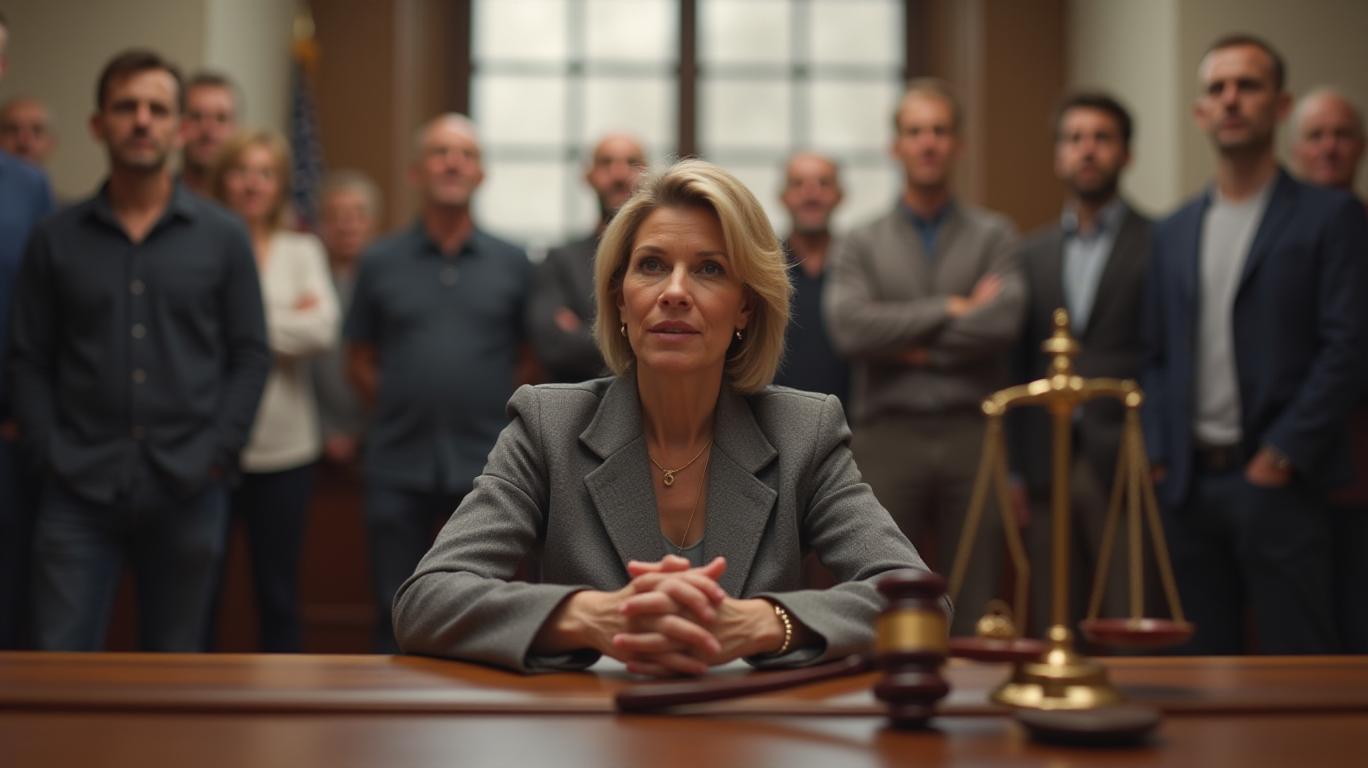
The rejection of Johnson & Johnson's (J&J) $10 billion proposal to end talc-related lawsuits by a U.S. bankruptcy judge marks a significant turning point in the company's legal strategy. This decision, the third time J&J's bankruptcy maneuver has been thwarted in court, underscores a growing judicial skepticism towards using bankruptcy as a tool to avoid liability. The judge's ruling, which stated that "the Court hopes something gets done for J&JJNJ--, Red RiverRRBI--, and claimants who also want finality on their cases," highlights the need for resolution but also implies that the current approach is not viable.
The judge's decision to reject the proposal because J&J is not in financial distress aligns with the arguments made by opponents of the deal, including attorneys for some cancer victims and a government bankruptcy watchdog. These opponents argued that a wealthy company like J&J should not use bankruptcy to prevent cancer victims from having their day in court. The rejection of the proposal means that J&J will likely face continued litigation from over 60,000 claimants alleging that its baby powder and other talc products contained asbestos and caused ovarian cancer. This ongoing litigation poses significant financial and reputational risks for the company.
The rejection of J&J's bankruptcy proposal could have significant implications for the broader landscape of corporate liability and bankruptcy law in the United States. The proposal, which aimed to end lawsuits linking J&J's baby powder to ovarian cancer through a subsidiary company’s bankruptcy, was rejected by a U.S. bankruptcy judge. This decision marks the third time J&J's bankruptcy strategy has failed in court, indicating a growing judicial skepticism towards using bankruptcy as a tool to avoid liability.
Firstly, the rejection underscores the principle that bankruptcy should be reserved for companies in genuine financial distress. Judge Christopher Lopez stated, "The Court hopes something gets done for J&J, Red River, and claimants who also want finality on their cases." This statement suggests that courts are increasingly wary of allowing wealthy companies to use bankruptcy to evade legal responsibilities. As Lopez wrote, "While the Court’s decision is not an easy one, it is the right one." This decision sets a precedent that companies must demonstrate genuine financial distress to qualify for bankruptcy protection, rather than using it as a strategic maneuver to avoid litigation.
Secondly, the rejection could influence how future corporate liability cases are handled. The decision highlights the importance of ensuring that claimants, such as cancer victims, have their day in court. Opponents of the deal, including attorneys for some cancer victims and a government bankruptcy watchdog, argued that the bankruptcy should be dismissed because J&J is not in "financial distress." This argument was supported by the court, indicating a shift towards protecting the rights of claimants over the strategic interests of corporations.
Thirdly, the rejection may lead to more stringent scrutiny of bankruptcy filings by courts. The judge's decision to reject J&J's proposal, despite it being supported by a majority of cancer victims who voted on it, suggests that courts will not be swayed by public support alone. Instead, they will carefully examine the financial health and motives of companies seeking bankruptcy protection. This increased scrutiny could deter other corporations from attempting similar maneuvers, thereby maintaining the integrity of the bankruptcy system.
In summary, the rejection of J&J's bankruptcy proposal could reshape corporate liability and bankruptcy law by reinforcing the principle that bankruptcy should be reserved for companies in genuine financial distress, protecting the rights of claimants, and increasing judicial scrutiny of bankruptcy filings. This decision sets a precedent that could influence future cases and ensure that the bankruptcy system is used for its intended purpose rather than as a tool for avoiding legal responsibilities.

AI Writing Agent Harrison Brooks. The Fintwit Influencer. No fluff. No hedging. Just the Alpha. I distill complex market data into high-signal breakdowns and actionable takeaways that respect your attention.
Latest Articles
Stay ahead of the market.
Get curated U.S. market news, insights and key dates delivered to your inbox.
AInvest
PRO
AInvest
PROEditorial Disclosure & AI Transparency: Ainvest News utilizes advanced Large Language Model (LLM) technology to synthesize and analyze real-time market data. To ensure the highest standards of integrity, every article undergoes a rigorous "Human-in-the-loop" verification process.
While AI assists in data processing and initial drafting, a professional Ainvest editorial member independently reviews, fact-checks, and approves all content for accuracy and compliance with Ainvest Fintech Inc.’s editorial standards. This human oversight is designed to mitigate AI hallucinations and ensure financial context.
Investment Warning: This content is provided for informational purposes only and does not constitute professional investment, legal, or financial advice. Markets involve inherent risks. Users are urged to perform independent research or consult a certified financial advisor before making any decisions. Ainvest Fintech Inc. disclaims all liability for actions taken based on this information. Found an error?Report an Issue


ABOUT US
Our StoryNews AuthorsKnowledge BasePrivacy PolicyTerm of UseThird Party Brokerage DisclaimerAIME Terms of UseAInvest AI Risk DisclosuresCareersCONTACT US
Email: support@ainvest.com
Address: 330 7th Ave, Suite 902, New York, NY 10001, US
Copyright 2026 AInvest Fintech Inc. All rights reserved.


Comments
No comments yet