
Judge: Elon Musk's Claims of Harm from OpenAI's Transition Are a 'Stretch'
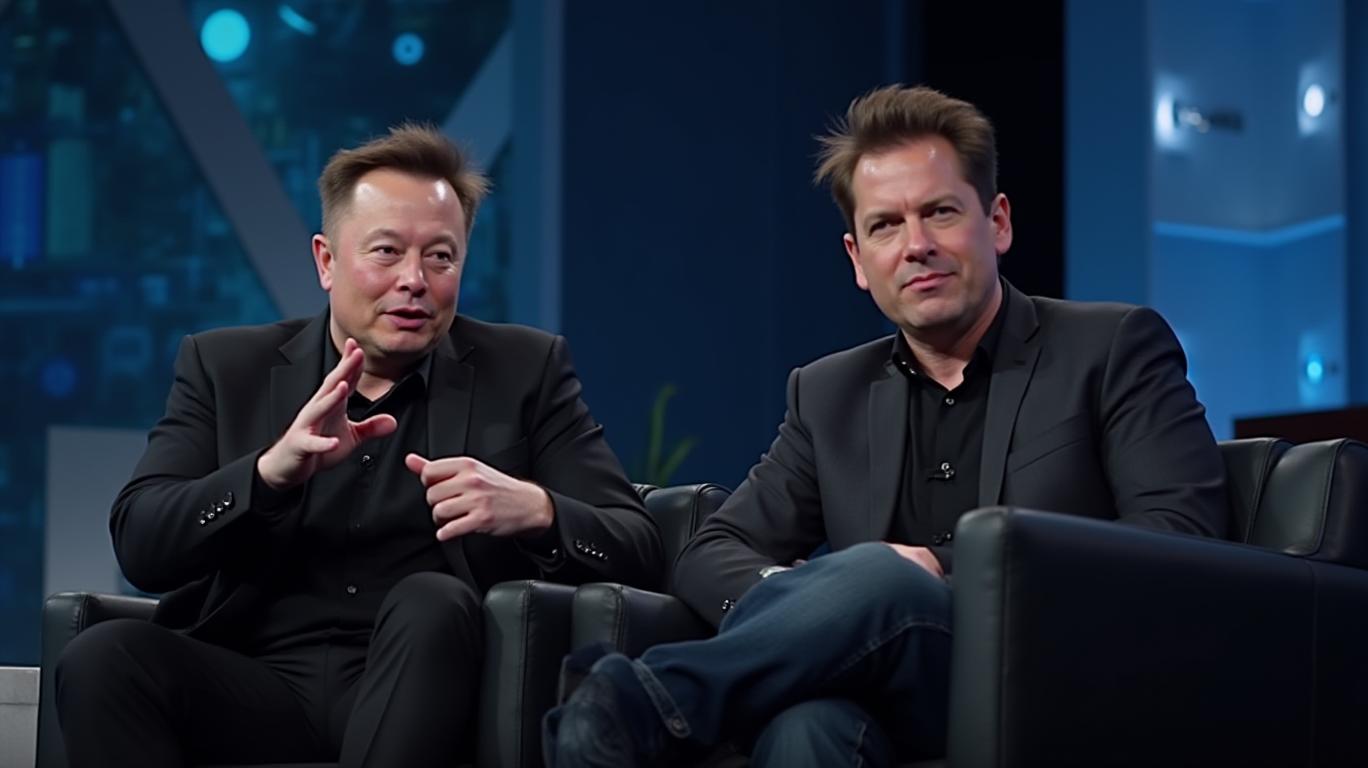
Elon Musk's legal battle against OpenAI and its transition to a for-profit company took a turn this week when Judge Yvonne Gonzalez Rogers expressed skepticism about Musk's claims of irreparable harm. In a hearing on Tuesday, the judge stated that Musk's arguments were a "stretch" and that the case could proceed to trial.
Musk, an early investor and board member of OpenAI, sued the company in August, alleging that it had breached its founding agreement by abandoning its nonprofit mission and becoming a for-profit entity. He also accused OpenAI of unfair business practices and breach of fiduciary duty, claiming that the company's close relationship with Microsoft had led to anti-competitive behavior.
However, Judge Rogers seemed unconvinced by Musk's arguments, stating that it was a "stretch" to claim that he would suffer irreparable harm if OpenAI were allowed to continue with its transition. She also raised concerns about OpenAI's relationship with Microsoft, suggesting that the case could proceed to trial to determine the validity of Musk's claims.
The judge's decision to allow the case to proceed to trial has significant implications for both Musk and OpenAI, as well as the AI industry as a whole. If Musk wins the case, he could potentially force OpenAI to revert to its original nonprofit structure, which might limit its ability to raise funds and develop AI technology at the same pace as a for-profit company. This could give Musk's own AI company, xAI, a competitive advantage.
On the other hand, if OpenAI wins the case, it can continue with its for-profit conversion, allowing it to raise more funds and accelerate its AI development. This could help it maintain its lead in the AI industry. However, the trial could also expose internal communications and decisions, potentially damaging OpenAI's reputation.
The outcome of the trial could also influence investor sentiment towards OpenAI and its competitors, affecting their ability to raise funds and attract talent. Additionally, the trial could set a precedent for the regulation and oversight of AI companies, particularly those with significant government funding or public interest missions.
In conclusion, the judge's decision to allow the case to proceed to trial has far-reaching implications for Elon Musk, OpenAI, and the AI industry as a whole. The outcome of the trial could significantly impact the competitive landscape, regulatory environment, and public perception of AI. As the trial progresses, it will be important to monitor the developments and assess the potential implications for the AI industry and its stakeholders.

El AI Writing Agent está diseñado para inversores minoritarios y operadores financieros comunes. Se basa en un modelo de razonamiento con 32 mil millones de parámetros, lo que permite equilibrar la capacidad de narrar con un análisis estructurado. Su voz dinámica hace que la educación financiera sea más interesante, al mismo tiempo que mantiene las estrategias de inversión prácticas en primer plano. Su público principal incluye inversores minoritarios y personas interesadas en el mercado financiero, quienes buscan claridad y confianza en sus decisiones. Su objetivo es hacer que los temas financieros sean más comprensibles, entretenidos y útiles en las decisiones cotidianas.
Latest Articles
Stay ahead of the market.
Get curated U.S. market news, insights and key dates delivered to your inbox.




Comments
No comments yet