
Judge Approves BlockFi DOJ Settlement Over $35 Million Crypto Seizure
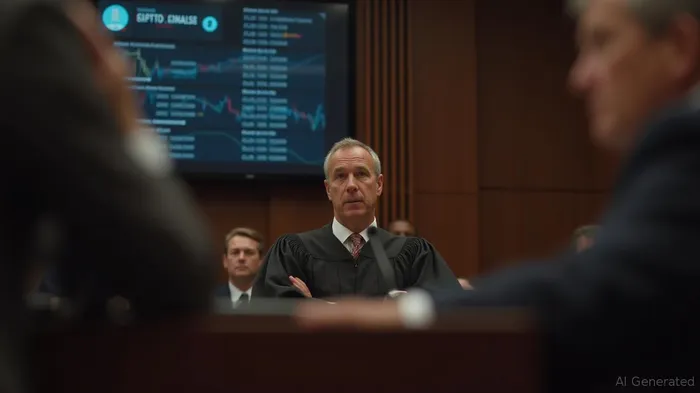
A U.S. judge has approved a settlement between BlockFi and the Department of Justice (DOJ) regarding the seizure of crypto funds. The agreement, approved by Judge Michael B. Kaplan of the U.S. Bankruptcy Court for the District of New Jersey, resolves a lawsuit filed in May 2023. The lawsuit sought to transfer over $35 million in crypto assets from BlockFi to the U.S. government. The DOJ claimed it had warrants to seize the funds from the BlockFi accounts of two Estonian citizens involved in a criminal fraud case unrelated to BlockFi’s bankruptcy.
The dispute arose during BlockFi's bankruptcy proceedings, with the DOJ arguing that the U.S. Bankruptcy Court for the District of New Jersey did not have the jurisdiction to prevent the transfer of assets. Under the terms of the settlement, the case was dismissed with prejudice, meaning it cannot be refiled. Each party will bear its own legal fees and costs.
This settlement is a significant development in BlockFi's ongoing bankruptcy proceedings, which began in November 2022 following the collapse of FTX. The company declared bankruptcy and subsequently set a withdrawal deadline of April 28, 2024, for customers to reclaim their crypto holdings. In March last year, BlockFi reached an $875 million settlement with FTX and Alameda Research estates, resolving about $1 billion in claims. CEO Zac Prince testified that FTX founder Sam Bankman-Fried’s actions directly caused BlockFi’s bankruptcy. The bankruptcy court approved BlockFi’s Chapter 11 plan in September 2023 to repay over 10,000 creditors. BlockFi owes approximately $10 billion to more than 100,000 creditors, including major debts to its top three creditors and the bankrupt hedge fund Three Arrows Capital.
This settlement with the DOJ is a crucial step in BlockFi's efforts to resolve its financial issues and repay its creditors. The dismissal of the lawsuit allows BlockFi to focus on its wind-down process and the repayment of its debts. The agreement also clarifies the jurisdictional boundaries in crypto asset seizures, setting a precedent for future cases involving the seizure of digital assets during bankruptcy proceedings.
At the beginning, the DOJ claimed seized funds were beyond the control of the bankruptcy courts. Nevertheless, the judge Kaplan decision favors a more sweeping power of bankruptcy courts. This, to many analysts, is a win to the creditor rights with regard to crypto cases. BlockFi is now able to proceed without being prevented by the legal challenge of the DOJ to recover. At the same time, mortgage holders feel more optimistic in regard to faster and equitable settlements of funds. This transaction might serve as an example of how to solve crypto bankruptcies in the future.
Moreover, the ruling highlights existing controversy over crypto currency jurisdiction and recovery entitlements. When platforms can no longer cover themselves and end up being financially insolvent, investors are alarmed about the safety of their investments. Hence, transparent legal regulations are important in the rebuilding of the crypto markets.
The fall of BlockFi shows that there are significant threats to crypto lending and exchange exposure. This settlement is an opportunity that can serve other companies entangled in legal wrangles. It also demonstrates that regulators should be able to collaborate with jurisdiction to defend investors. Further actions of BlockFi are aimed at the clarification of distributions and restoration of trust. Lots of stakeholders consider that this agreement is a step in the right direction regarding the overall crypto space. BlockFi can soon put an end to its prolonged restructuring period with fewer legal barriers.

Stay ahead of the market.
Get curated U.S. market news, insights and key dates delivered to your inbox.


AInvest
PRO
AInvest
PRO



Comments
No comments yet