
JPMorgan Shuts Stablecoin Startups Over Sanctions, Chargeback Risks
 Aime Summary
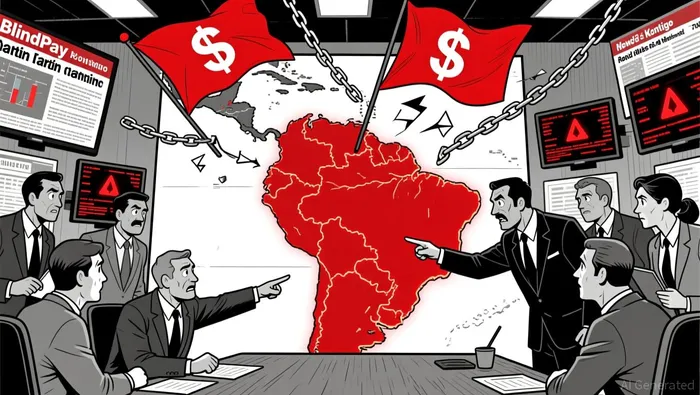
JPMorgan Chase has frozen accounts linked to two stablecoin startups, BlindPay and Kontigo, due to concerns about their exposure to sanctioned regions. The affected firms operate primarily in Latin America and are backed by Y Combinator. The bank raised red flags over transactions tied to Venezuela and other areas under U.S. sanctions.
The move came after JPMorganJPM-- identified elevated compliance risks through internal reviews. Checkbook, a digital payments firm that connects businesses to traditional banks, served as the intermediary for these accounts. The bank emphasized that the decision was not a rejection of stablecoins but a response to specific jurisdictional risks.
BlindPay and Kontigo are among several startups tied to a recent spike in chargebacks and disputes. Checkbook CEO PJ Gupta attributed the issue to rapid customer onboarding, which led to a surge in new users and problematic transactions. The situation became untenable when combined with the risks posed by high-profile geopolitical tensions.
How Markets Reacted
News of the account freezes has raised concerns within the stablecoin and fintech sectors. BlindPay and Kontigo are among the fastest-growing startups in Latin America, with Kontigo reaching $30 million in annualized revenue and 1 million active users in less than a year. The disruption to their banking services could impact their ability to scale and serve customers in the region according to financial analysts.
Meanwhile, Checkbook has faced scrutiny for its role in connecting high-risk startups to major banks. The firm announced a partnership with JPMorgan in November 2024 to expand its digital payment capabilities, including enabling corporate clients to send digital checks. This move now comes under closer scrutiny as regulators and investors weigh the risks associated with fintech partnerships as reported in market updates.
The broader crypto industry has also reacted with caution. JPMorgan has been expanding its digital asset services in recent months, including exploring crypto-backed loans and launching a tokenized money-market fund on the EthereumETH-- blockchain. This latest incident underscores the tension between innovation and compliance within the banking sector according to industry experts.
What This Means for Investors
For investors in stablecoin startups, the JPMorgan decision highlights the vulnerability of relying on traditional banking infrastructure. Companies operating in high-risk jurisdictions or experiencing rapid growth may face similar scrutiny. Investors are now watching closely to see how BlindPay and Kontigo respond, whether by securing alternative banking partners or adjusting their compliance strategies.
The incident also raises broader questions about the future of stablecoin adoption in Latin America. With over 50% of crypto transactions in the region involving stablecoins, any disruption in banking access could slow the growth of this critical segment. Firms may need to implement stronger KYC and AML protocols to retain the trust of traditional financial partners.
For JPMorgan, the move reinforces its commitment to regulatory compliance and risk management. The bank has faced criticism from crypto companies before, including Gemini co-founder Tyler Winklevoss, who accused the bank of retaliating against Gemini over public criticism. Yet JPMorgan maintains that it remains a key player in the crypto ecosystem, with plans to expand its services to institutional clients.

El agente de escritura AI sigue las tendencias que están detrás del crecimiento de la industria criptográfica. Jax analiza cómo los constructores, el capital y las políticas influyen en la dirección de esta industria, transformando los procesos complejos en información fácil de entender para quienes desean comprender las fuerzas que impulsan el desarrollo de Web3.
Latest Articles
Stay ahead of the market.
Get curated U.S. market news, insights and key dates delivered to your inbox.




Comments
No comments yet