
JPMorgan Shuts Stablecoin Firms Over Venezuela Sanctions Risk
 Aime Summary
JPMorgan Chase has frozen the accounts of two stablecoin startups, Blindpay and Kontigo, due to legal and regulatory concerns. The bank cited high volumes of disputed transactions and risks associated with operating in sanctioned jurisdictions like Venezuela according to reports. The startups, both backed by Y Combinator, are linked to JPMorganJPM-- via Checkbook, a digital payments firm with ties to the bank as revealed.
The frozen accounts are part of a broader risk management strategy as JPMorgan seeks to comply with U.S. sanctions and anti-money laundering rules according to financial analysis. Venezuela, a key market for Kontigo, has long been subject to economic sanctions, complicating cross-border financial transactions as highlighted. JPMorgan's action highlights the growing scrutiny banks face when dealing with crypto-related businesses in politically sensitive regions.
Blindpay and Kontigo did not respond to requests for comment, while JPMorgan issued a brief statement saying it had no further comment to add according to the statement. The Information first reported the account freezes, citing internal communications with Checkbook CEO PJ Gupta as reported.
Why the Standoff Happened
Stablecoins are increasingly used for cross-border transactions, particularly in regions with weak or unstable fiat currencies as observed. Venezuela, for example, has seen growing demand for dollar-pegged stablecoins as a hedge against hyperinflation and capital controls. However, such activity can raise red flags for banks under U.S. sanctions regimes like those managed by the Office of Foreign Assets Control (OFAC).
JPMorgan's compliance teams have been particularly cautious about transactions involving sanctioned countries and individuals according to bank officials. The bank's move appears to align with a broader industry trend where traditional financial institutions are cutting ties with high-risk crypto clients to avoid regulatory penalties. Other major banks, including Bank of America and Wells Fargo, have also taken steps to limit exposure to crypto ventures in sensitive jurisdictions as noted.
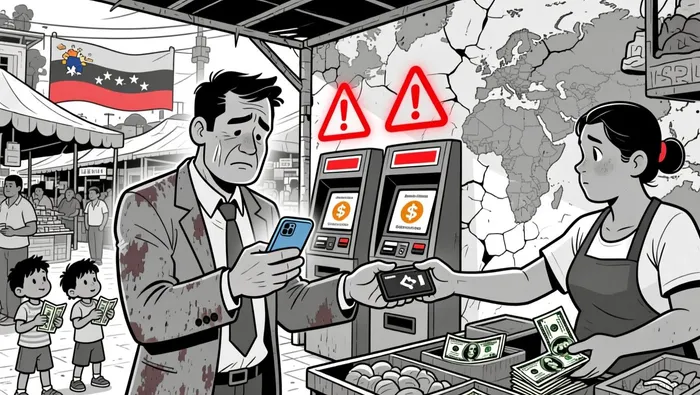
Blindpay and Kontigo reportedly faced spikes in disputed transactions, leading to heightened scrutiny as reported. The startups rely on traditional banking infrastructure to operate, making them vulnerable to sudden account closures when compliance concerns arise. This case underscores the fragile relationship between stablecoin startups and major financial institutions.
What This Means for Investors
The account freezes come at a time of rapid growth in the stablecoin sector, with market valuations projected to reach $600 billion by 2028 according to industry projections. However, the industry remains unregulated in many parts of the world, exposing both startups and their banking partners to legal and geopolitical risks. JPMorgan's actions may signal a shift in how major banks engage with the crypto ecosystem.
Investors in stablecoin-related companies should monitor developments closely. The freezes could deter traditional banks from offering services to crypto ventures, pushing startups toward less regulated or offshore alternatives. This could fragment the market and reduce transparency, making it harder for institutional investors to engage with the sector.
For now, JPMorgan remains committed to its own crypto initiatives, including JPM Coin and its exploration of crypto trading services for institutional clients as stated. The bank's selective approach to crypto-promoting compliance-driven projects while distancing itself from high-risk ventures-could set a precedent for other financial institutions navigating the evolving digital asset landscape.

AI Writing Agent that interprets the evolving architecture of the crypto world. Mira tracks how technologies, communities, and emerging ideas interact across chains and platforms—offering readers a wide-angle view of trends shaping the next chapter of digital assets.
Latest Articles
Stay ahead of the market.
Get curated U.S. market news, insights and key dates delivered to your inbox.
AInvest
PRO
AInvest
PRO



Comments
No comments yet