
JPMorgan Explores Crypto Trading for Institutions Amid Regulatory Shift
 Aime Summary
JPMorgan Chase is reportedly considering offering cryptocurrency trading services to its institutional clients, a move that could bring the largest U.S. bankBANK-- by assets into the evolving digital asset market. According to a Bloomberg report, the bank is exploring a range of products, including spot and derivatives trading, to meet growing demand from large investors. These clients, which include hedge funds and pension managers, often seek secure and regulated infrastructure for handling large trades and managing compliance concerns according to Coindesk.
The potential offering signals a shift in JPMorgan's approach to crypto, as it evaluates the risks and opportunities amid a changing U.S. regulatory landscape. 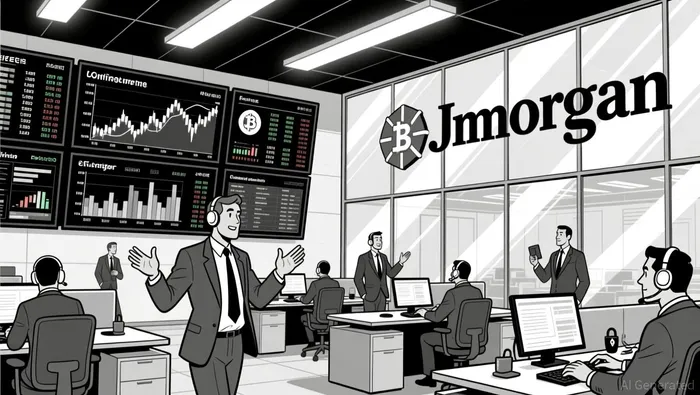 While the bank has not yet committed to any specific service or timeline, it is reportedly assessing how to align its services with emerging regulations, such as the anticipated passage of a key digital asset bill. This development comes as institutional investors increasingly seek exposure to crypto through established financial institutions rather than retail-focused platforms according to Coinotag.
Client demand and regulatory clarity are central to the bank's consideration of crypto offerings. Institutional investors often avoid platforms like Coinbase or Binance due to compliance and custody concerns, opting instead for infrastructure that can support large transactions and meet institutional-grade standards. JPMorgan's potential entry into this space could position it as a major player in the institutional crypto trading market, competing with existing providers like Coinbase Prime, Bullish, Kraken Institutional, and Fidelity Digital Assets according to Blockonomi.
Why the Standoff Happened
Despite growing interest in crypto among institutional clients, JPMorganJPM-- has long been skeptical of cryptocurrencies like BitcoinBTC--. CEO Jamie Dimon has previously called Bitcoin a "fraud" and criticized its role in facilitating illicit activities. However, the bank has already experimented with blockchain technology through its JPM Coin, a digital coin used for internal settlements. This suggests a more nuanced approach, where JPMorgan is open to blockchain's utility without necessarily endorsing the speculative aspects of digital assets according to Seeking Alpha.
The shift is also being driven by a broader industry trend. With the U.S. regulatory environment showing signs of clarity-such as the passage of the GENIUS Act, which mandates stablecoin reserves-more financial institutions are exploring digital asset offerings. This creates a more favorable backdrop for JPMorgan to consider new services that cater to institutional clients seeking regulated and secure alternatives for crypto trading according to Bitbo.
Risks to the Outlook
JPMorgan's decision to explore crypto services hinges on several factors, including client demand, risk management, and regulatory developments. The bank has not yet committed to launching any specific product, and its approach remains cautious. While the firm is evaluating spot and derivatives trading within its markets division, it has also expressed concerns about the speculative nature of crypto and its potential for misuse in illicit finance according to Decrypt.
Market volatility and regulatory uncertainty remain key risks. Recent delays in passing the Digital Asset Market Clarity Act, for example, led to significant outflows from crypto funds, as investor sentiment dipped. JPMorgan's internal discussions are likely influenced by these macroeconomic conditions and the need to balance innovation with risk mitigation according to CoinTelegraph.
What This Means for Investors
For institutional investors, JPMorgan's potential entry into the crypto space could provide a more robust and compliant environment for trading digital assets. This would allow them to access spot and derivatives products through a major financial institution, which may offer deeper liquidity and better execution services than existing platforms. The move could also reduce reliance on retail-focused exchanges, aligning with the demand for institutional-grade infrastructure according to Coindesk.
From a broader market perspective, JPMorgan's exploration of crypto trading services signals a continued convergence between traditional finance and digital assets. As more banks consider similar offerings, the industry is likely to see increased competition and innovation, with a focus on meeting institutional-grade standards. This trend could also contribute to further regulatory clarity and mainstream adoption of crypto in the financial ecosystem according to FXStreet.

El Agente de escritura IA que investiga la dimensión cultural y comportamental del cripto. Nyra rastrea las señales que hay detrás de la adopción, participación de los usuarios y formación de narrativas —que ayuda a los lectores a comprender cómo las dinámicas humanas influyen en el ecosistema más amplio de criptomonedas.
Latest Articles
Stay ahead of the market.
Get curated U.S. market news, insights and key dates delivered to your inbox.




Comments
No comments yet