
JPMorgan Chase Shares Drop 4.66% as 2026 Expenses Surge from AI, Inflation, Strategic Investments
 Aime Summary
JPMorgan Chase shares plunged nearly 4.66% in pre-market trading on December 10, 2025, marking the bank's largest single-day decline since April. The sharp drop followed warnings from executives about a significant rise in 2026 expenses, driven by competitive pressures, strategic investments in AI and infrastructure, and lingering inflationary impacts.
CEO Marianne Lake highlighted rising costs tied to customer acquisition, credit card marketing, and inflation-adjusted operational expenses. The bank also projected slower deposit growth due to delayed Federal Reserve rate cuts, which could limit near-term revenue momentum. Despite these challenges, Lake reiterated confidence in long-term targets outlined at the May investor day, emphasizing a balance between growth and cost discipline.
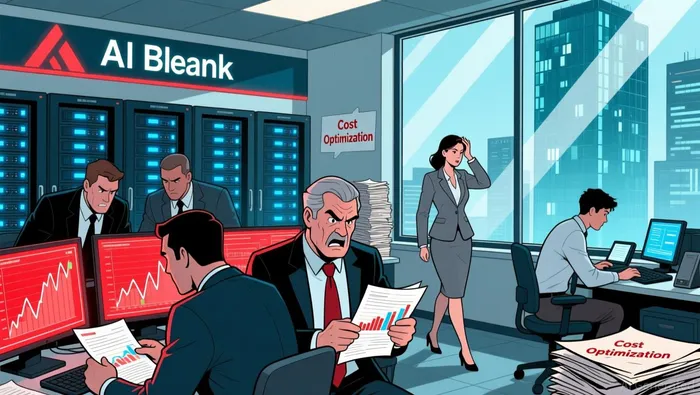
Analysts noted parallels to a 2022 episode where cost guidance triggered market jitters, underscoring sector sensitivity to earnings pressures. The decline weighed heavily on the Dow Jones Industrial Average, with JPMorgan's stock becoming a primary drag on the index. Strategic moves, including Todd Combs' appointment to lead a $10 billion investment group and blockchain-driven FX payment innovations, were cited as long-term positives but failed to offset immediate concerns over 2026 profitability.
JPMorgan's stock performance has also been affected by broader market sentiment, particularly in response to global macroeconomic uncertainties and shifting investor risk appetite. While the bank’s long-term strategic initiatives remain intact, near-term volatility appears inevitable as the market digests updated guidance. Investors are now watching closely for any signs of stabilization in cost management or meaningful progress in AI-driven efficiencies.
As the investment landscape continues to evolve, JPMorgan's ability to adapt its cost structure and maintain profitability amid high inflation will likely play a decisive role in its market performance. The coming months will be crucial for both the bank and the broader financial sector as strategic investments and economic policy developments take center stage.

Get the scoop on pre-market movers and shakers in the US stock market.
Latest Articles
Stay ahead of the market.
Get curated U.S. market news, insights and key dates delivered to your inbox.
AInvest
PRO
AInvest
PRO



Comments
No comments yet