
JPMorgan Chase (JPM) Shares Plunge 4.66% as Earnings Guidance Flags $105B 2026 Cost Hike
 Aime Summary
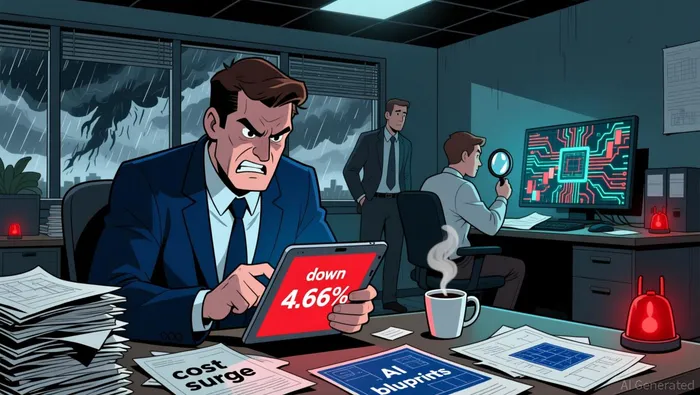
JPMorgan Chase shares fell 4.66% in pre-market trading on Dec. 10, marking one of the largest declines in recent months as concerns over rising costs and a fragile consumer environment weighed on investor sentiment.
During a Goldman Sachs conference, CEO of the consumer and community banking division Marianne Lake revealed the bank expects 2026 expenses to reach $105 billion, exceeding analyst forecasts of $101.1 billion. The projected increase is attributed to volume- and growth-related costs, strategic investments, and inflationary pressures. Lake highlighted higher spending on advisor incentives, AI development, and branch expansion as key drivers, signaling a potential strain on profitability.
The guidance echoed market jitters from 2022, when similar cost warnings triggered a sharp sell-off. Investors appeared rattled by Lake’s cautious outlook, noting that consumer cash buffers have normalized despite easing inflation, leaving households “less able to withstand incremental stress.” While investment banking and trading revenue projections were slightly optimistic, the broader banking sector remained under pressure, with shares of peers like Citigroup and Bank of America also declining.
Analysts emphasized that the market reaction underscores heightened sensitivity to cost management in a slowing economic environment. Lake’s remarks, coupled with the bank’s role as a key index component, amplified the sell-off, reflecting investor demand for clearer cost-containment strategies to offset inflation-linked challenges.

Get the scoop on pre-market movers and shakers in the US stock market.
Latest Articles
Stay ahead of the market.
Get curated U.S. market news, insights and key dates delivered to your inbox.
AInvest
PRO
AInvest
PRO



Comments
No comments yet