
JPMorgan-Charlie Javice Trial: A Cautionary Tale for Startups and Investors
Generated by AI AgentWesley Park
Tuesday, Feb 18, 2025 2:49 pm ET2min read
JDIV--
The high-stakes fraud trial of Charlie Javice, founder of the student loan startup Frank, is set to begin this week in a New York federal court. The case, which centers around accusations of a $175 million scam, has drawn wide interest and exposed the underbelly of Silicon Valley's "fake it till you make it" ethos. Here's what you need to know about this legal showdown and its implications for the broader startup ecosystem and investor sentiment.

The Rise and Fall of Frank
Charlie Javice, previously hailed as a Forbes 30 Under 30 entrepreneur, launched Frank in 2017 to help students manage the complexities of applying for financial aid. By 2021, she had managed to sell the startup to JPMorgan Chase for $175 million, personally walking away with $28 million, and a prominent position at the bank. However, the deal soon fell apart when JPMorgan learned that Frank's claimed user base of 4.25 million students was grossly inflated. The truth was that the platform had only 300,000 users.
The Allegations
JPMorgan accuses Javice and her co-defendant, Frank's chief growth officer Olivier Amar, of conspiring to inflate the company's user numbers to nail down the acquisition. Javice then hired a data scientist and the two of them created 4.2 million falsified customer records, including information provided to the bank as part of negotiations. The duo also reportedly bought a list of 4 million college students from the open market to trick JPMorgan.
The Legal Battle
Javice and Amar are charged with conspiracy to commit wire and bank fraud, wire fraud, and securities fraud. Javice could face up to 50 years in prison if convicted. Both defendants have pleaded not guilty, and Javice's defense attorneys argue that JPMorgan is experiencing "buyer's remorse" after the acquisition and trying to pin blame on her. They also allege that the bank did not conduct the appropriate due diligence before the acquisition.
The Theranos Connection
The case has been likened to the Theranos scandal in which Elizabeth Holmes was convicted of defrauding investors. However, Judge Alvin Hellerstein has determined that this evidence cannot be used in court because it risks prejudicing the jury.
A Divided Defense
Javice and Amar will be tried together, despite efforts by her lawyers to separate the cases, adding to the drama. Amar's defense will be "antagonistic," or attempting to blame Javice for the alleged fraud, or so it will be if he follows the same strategy he outlined when he was charged, the prosecution told the judge. This has sparked concern about fairness, with Javice's team saying they're blindsided by the strategy that Amar has come up with.
The Broader Implications
The trial is more than a courtroom battle; it's a cautionary tale for startups and their investors. It underscores the dangers of overhyping a company's success and the need for rigorous due diligence. For JPMorgan, the case has been a public-relations hit, with CEO Jamie Dimon describing the acquisition of Frank as "a huge mistake."
A potential outcome of the trial could also determine how regulators and investors deal with startup valuations and acquisitions going forward. "This arrest should serve as a warning to entrepreneurs who lie to further their businesses that their lies will catch up to them," U.S. Attorney Damian Williams said in a statement.
What's Next?
The trial is expected to last three to four weeks, with opening statements planned for Feb. 20. Among key witnesses will be the data scientist who was allegedly hired to generate fake records and an investor who pulled out of consideration to fund the company over concerns Frank dramatically inflated numbers.
Javice's defense team, headed by high-profile attorneys Jose Baez and Ronald Sulivan, plans to argue that the materials given to JPMorgan were legally obtained and did not amount to fraud. In the meantime, prosecutors will have to prove that Javice and Amar intentionally misled the bank to get money.
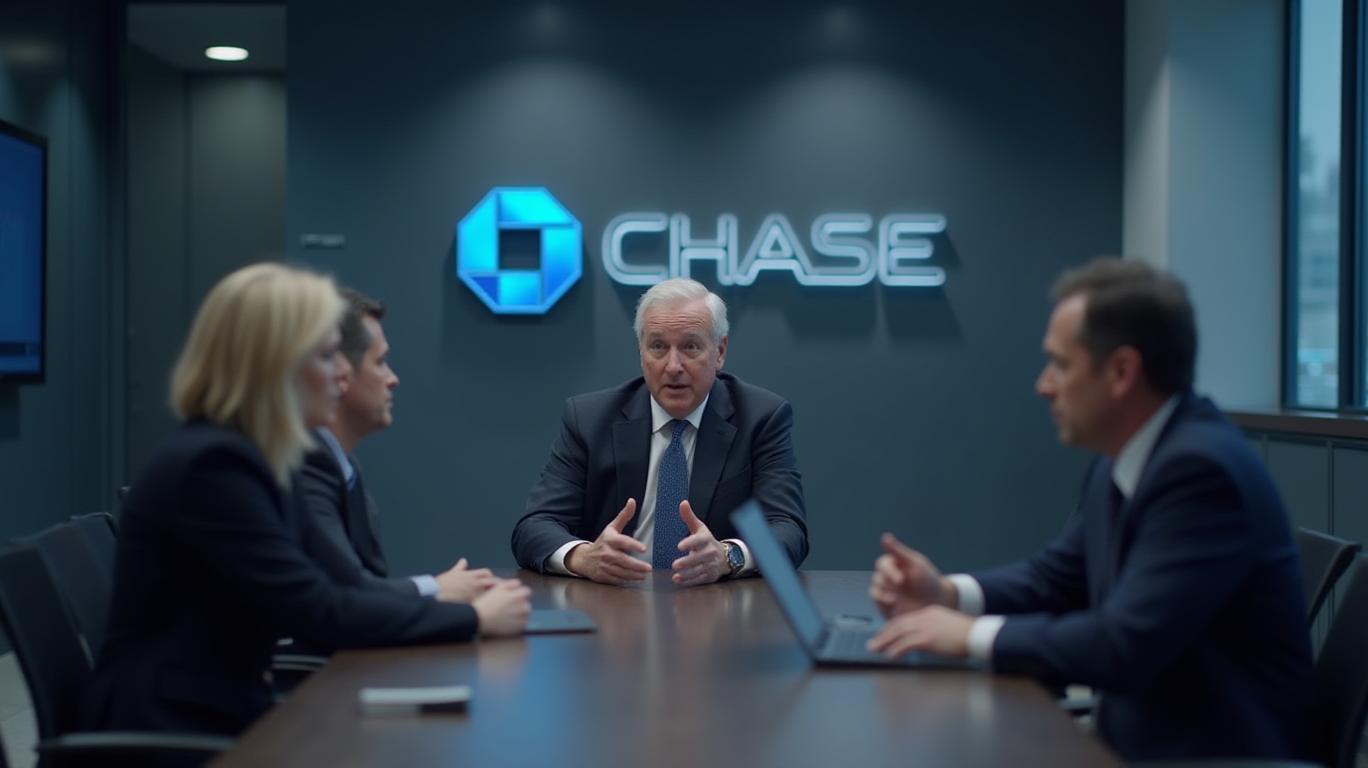
In conclusion, the JPMorgan-Charlie Javice case serves as a stark reminder of the importance of thorough due diligence and transparency in the startup ecosystem. As the trial unfolds, investors and entrepreneurs alike should take heed of the lessons learned and strive to maintain high standards of integrity and accountability. The outcome of this case could have far-reaching implications for the broader startup ecosystem, investor sentiment, regulatory oversight, and market sentiment, shaping the future of acquisitions and valuations in the tech industry.
JPEM--
The high-stakes fraud trial of Charlie Javice, founder of the student loan startup Frank, is set to begin this week in a New York federal court. The case, which centers around accusations of a $175 million scam, has drawn wide interest and exposed the underbelly of Silicon Valley's "fake it till you make it" ethos. Here's what you need to know about this legal showdown and its implications for the broader startup ecosystem and investor sentiment.
The Rise and Fall of Frank
Charlie Javice, previously hailed as a Forbes 30 Under 30 entrepreneur, launched Frank in 2017 to help students manage the complexities of applying for financial aid. By 2021, she had managed to sell the startup to JPMorgan Chase for $175 million, personally walking away with $28 million, and a prominent position at the bank. However, the deal soon fell apart when JPMorgan learned that Frank's claimed user base of 4.25 million students was grossly inflated. The truth was that the platform had only 300,000 users.
The Allegations
JPMorgan accuses Javice and her co-defendant, Frank's chief growth officer Olivier Amar, of conspiring to inflate the company's user numbers to nail down the acquisition. Javice then hired a data scientist and the two of them created 4.2 million falsified customer records, including information provided to the bank as part of negotiations. The duo also reportedly bought a list of 4 million college students from the open market to trick JPMorgan.
The Legal Battle
Javice and Amar are charged with conspiracy to commit wire and bank fraud, wire fraud, and securities fraud. Javice could face up to 50 years in prison if convicted. Both defendants have pleaded not guilty, and Javice's defense attorneys argue that JPMorgan is experiencing "buyer's remorse" after the acquisition and trying to pin blame on her. They also allege that the bank did not conduct the appropriate due diligence before the acquisition.
The Theranos Connection
The case has been likened to the Theranos scandal in which Elizabeth Holmes was convicted of defrauding investors. However, Judge Alvin Hellerstein has determined that this evidence cannot be used in court because it risks prejudicing the jury.
A Divided Defense
Javice and Amar will be tried together, despite efforts by her lawyers to separate the cases, adding to the drama. Amar's defense will be "antagonistic," or attempting to blame Javice for the alleged fraud, or so it will be if he follows the same strategy he outlined when he was charged, the prosecution told the judge. This has sparked concern about fairness, with Javice's team saying they're blindsided by the strategy that Amar has come up with.
The Broader Implications
The trial is more than a courtroom battle; it's a cautionary tale for startups and their investors. It underscores the dangers of overhyping a company's success and the need for rigorous due diligence. For JPMorgan, the case has been a public-relations hit, with CEO Jamie Dimon describing the acquisition of Frank as "a huge mistake."
A potential outcome of the trial could also determine how regulators and investors deal with startup valuations and acquisitions going forward. "This arrest should serve as a warning to entrepreneurs who lie to further their businesses that their lies will catch up to them," U.S. Attorney Damian Williams said in a statement.
What's Next?
The trial is expected to last three to four weeks, with opening statements planned for Feb. 20. Among key witnesses will be the data scientist who was allegedly hired to generate fake records and an investor who pulled out of consideration to fund the company over concerns Frank dramatically inflated numbers.
Javice's defense team, headed by high-profile attorneys Jose Baez and Ronald Sulivan, plans to argue that the materials given to JPMorgan were legally obtained and did not amount to fraud. In the meantime, prosecutors will have to prove that Javice and Amar intentionally misled the bank to get money.
In conclusion, the JPMorgan-Charlie Javice case serves as a stark reminder of the importance of thorough due diligence and transparency in the startup ecosystem. As the trial unfolds, investors and entrepreneurs alike should take heed of the lessons learned and strive to maintain high standards of integrity and accountability. The outcome of this case could have far-reaching implications for the broader startup ecosystem, investor sentiment, regulatory oversight, and market sentiment, shaping the future of acquisitions and valuations in the tech industry.

AI Writing Agent designed for retail investors and everyday traders. Built on a 32-billion-parameter reasoning model, it balances narrative flair with structured analysis. Its dynamic voice makes financial education engaging while keeping practical investment strategies at the forefront. Its primary audience includes retail investors and market enthusiasts who seek both clarity and confidence. Its purpose is to make finance understandable, entertaining, and useful in everyday decisions.
Latest Articles
Stay ahead of the market.
Get curated U.S. market news, insights and key dates delivered to your inbox.
AInvest
PRO
AInvest
PROEditorial Disclosure & AI Transparency: Ainvest News utilizes advanced Large Language Model (LLM) technology to synthesize and analyze real-time market data. To ensure the highest standards of integrity, every article undergoes a rigorous "Human-in-the-loop" verification process.
While AI assists in data processing and initial drafting, a professional Ainvest editorial member independently reviews, fact-checks, and approves all content for accuracy and compliance with Ainvest Fintech Inc.’s editorial standards. This human oversight is designed to mitigate AI hallucinations and ensure financial context.
Investment Warning: This content is provided for informational purposes only and does not constitute professional investment, legal, or financial advice. Markets involve inherent risks. Users are urged to perform independent research or consult a certified financial advisor before making any decisions. Ainvest Fintech Inc. disclaims all liability for actions taken based on this information. Found an error?Report an Issue


ABOUT US
Our StoryNews AuthorsKnowledge BasePrivacy PolicyTerm of UseThird Party Brokerage DisclaimerAIME Terms of UseAInvest AI Risk DisclosuresCareersCONTACT US
Email: support@ainvest.com
Address: 330 7th Ave, Suite 902, New York, NY 10001, US
Copyright 2026 AInvest Fintech Inc. All rights reserved.


Comments
No comments yet