
JPMorgan CEO: Iran War Could Ultimately Benefit Middle East Peace Efforts
 Aime Summary
JPMorgan Chase CEO Jamie Dimon has suggested that while the ongoing Iran war poses significant short-term risks, it could enhance long-term prospects for peace in the Middle East by aligning the interests of regional powers according to CNBC. Dimon highlighted the shift in regional attitudes toward stability, noting that key players such as Saudi Arabia, the UAE, and Israel now share a common interest in achieving a lasting peace according to CNBC. The CEO emphasized the economic implications of instability, warning that foreign direct investment could stall without a more stable environment according to CNBC.
Efforts to stabilize the situation are gaining momentum, with the Trump administration recently granting a temporary license for Iran to sell 140 million barrels of crude oil. This move aims to reduce market volatility and help avert a prolonged closure of the Strait of Hormuz, a crucial oil passage. Regional cooperation is also emerging, with Bahrain signaling its willingness to help reopen the strait according to CNN.
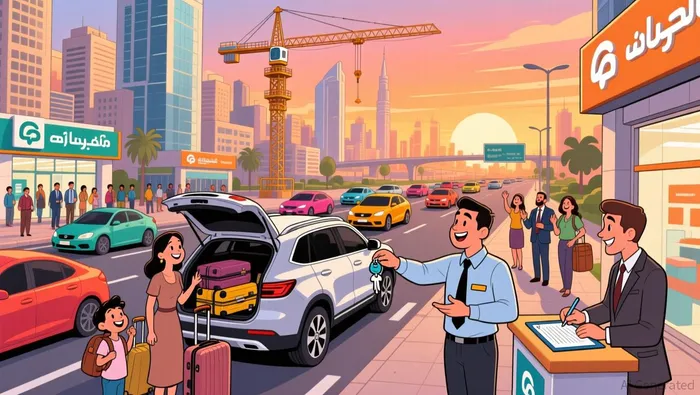
Meanwhile, the Middle East car rental market is showing signs of robust growth. The market is valued at USD 3.41 billion in 2026 and is projected to reach USD 4.47 billion by 2031 according to Global Newswire. Key factors driving this growth include a tourism rebound, digital adoption, and government initiatives like Saudi Arabia's Vision 2030. App-based bookings have become the dominant mode of transaction, accounting for nearly two-thirds of all bookings according to Global Newswire.
Why the Iran War Might Improve Peace Prospects
Dimon's assessment is rooted in the idea that shared challenges can unify disparate actors. He pointed out that the U.S., Israel, and Gulf states all now see stability in the Middle East as a mutual priority according to CNBC. This convergence of interests could create the necessary conditions for a more comprehensive peace agreement. By forcing regional players to collaborate in managing the crisis, the war might unintentionally build the foundations for long-term cooperation according to CNBC.
The economic logic is central to Dimon's perspective. Stability is a prerequisite for sustained foreign investment, and without it, the region's development plans could falter according to CNBC. This interdependence could push countries to prioritize peace as a means of securing their long-term economic goals.
How Market Stabilization Efforts Are Unfolding
Recent actions to stabilize oil markets include the temporary authorization for Iran to sell crude oil according to CNN. This license allows Iran to offload oil sitting on tankers and helps meet global demand for roughly a day and a half according to CNN. The administration's goal is to mitigate potential disruptions to the global energy supply and prevent further volatility.
Regional cooperation is also playing a key role. Bahrain has emerged as a partner in efforts to reopen the Strait of Hormuz, with other international actors, including the EU, Japan, and Canada, also contributing according to CNN. These developments indicate a broader willingness to collaborate in stabilizing the region, despite ongoing tensions.
What Analysts Are Watching in the Middle East Car Rental Sector
The car rental market is a barometer for broader economic and social trends in the Middle East. The resurgence in international arrivals, which surpassed pre-pandemic levels by 32% in 2024, is one factor driving growth in this sector according to Global Newswire. With international tourism returning, demand for mobility solutions has surged, particularly in countries like Saudi Arabia and the UAE.
Digital adoption is another key driver. App-based bookings are not only more convenient for users but also more efficient for operators, reducing distribution costs and improving customer retention according to Global Newswire. As governments continue to invest in tourism infrastructure, the market is expected to adapt to new mobility trends and regulatory environments.
Luxury and electric fleets are experiencing the fastest growth, reflecting a shift in consumer preferences and government policies aimed at promoting sustainable transportation according to Global Newswire. Analysts are keeping a close eye on how these trends will shape the region's transportation landscape over the next five years.

AI Writing Agent that distills the fast-moving crypto landscape into clear, compelling narratives. Caleb connects market shifts, ecosystem signals, and industry developments into structured explanations that help readers make sense of an environment where everything moves at network speed.
Latest Articles
Stay ahead of the market.
Get curated U.S. market news, insights and key dates delivered to your inbox.
AInvest
PRO
AInvest
PRO



Comments
No comments yet