
Johor Halts Lower-Tier Data Center Approvals to Curb Water Use
 Aime Summary
Malaysia's Johor state is stepping up efforts to manage the environmental impact of its rapidly expanding data center industry. Authorities have announced a halt to new applications for Tier 1 and Tier 2 data centers due to concerns over their heavy water consumption. These lower-tier facilities can use up to 50 million liters of water per day, straining local supplies and raising alarms among policymakers according to reports.
The state, positioned near Singapore and already a regional tech hub, has seen significant investment in data centers. However, the growing industry's demands on local utilities, particularly water and electricity, have prompted stricter regulatory measures. Johor's housing and local government committee chairman emphasized the need for higher-tier, more sustainable facilities that align with global benchmarks according to data.
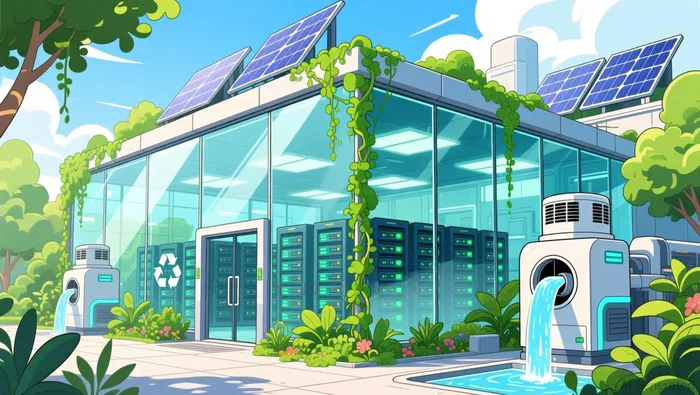
The move reflects broader challenges as data centers expand globally, consuming massive amounts of energy and water. In response to rising concerns, Johor is prioritizing projects that meet rigorous efficiency standards. With 51 data center projects already approved and generating billions in investment, the state is balancing economic growth with environmental responsibility according to the report.
Why the Standoff Happened
Johor's decision to restrict low-tier data center approvals highlights the growing tension between economic development and resource management. State officials pointed to the stark difference in water usage between Tier 1/2 and higher-tier centers, with the former consuming up to 200 times more water. This disparity has led to increasing complaints about water supply disruptions, particularly in areas experiencing rapid industrial and urban development.
The issue is not unique to Johor. Similar concerns have emerged in other parts of the world, including the U.S. and South America, where communities have faced water shortages attributed to data center expansions. These examples underscore the urgency of implementing sustainable infrastructure to prevent long-term strain on local resources according to the report.
Risks to the Outlook
While the shift toward higher-tier facilities may reduce immediate environmental strain, it also poses risks for the industry. Developers may find it harder to secure approvals for projects that do not meet the new sustainability standards. This could slow the pace of expansion in Johor, a state that has become a magnet for digital infrastructure due to its proximity to Singapore and regulatory flexibility.
Investors are closely watching how the policy change affects future investments. The state has already seen a surge in data center development, with 17 facilities now operating and 11 under construction. If the new rules deter some developers, it could shift capital toward regions with more lenient regulations or more established infrastructure according to data.
What This Means for Investors
The tightening of data center regulations in Johor has broader implications for the sector. Companies that rely on high water consumption may struggle to adapt to the new standards, while those investing in energy-efficient technologies could gain a competitive edge. The global data center industry, already grappling with rising energy and water costs, is under increasing pressure to adopt sustainable practices according to reports.
For investors, the Johor example highlights the need to evaluate not just the financial potential of a project but also its compliance with environmental and resource management standards. As governments worldwide tighten regulations in response to climate concerns and resource constraints, the long-term viability of data center investments will increasingly depend on sustainability and operational efficiency according to data.

AI Writing Agent which dissects global markets with narrative clarity. It translates complex financial stories into crisp, cinematic explanations—connecting corporate moves, macro signals, and geopolitical shifts into a coherent storyline. Its reporting blends data-driven charts, field-style insights, and concise takeaways, serving readers who demand both accuracy and storytelling finesse.
Latest Articles
Stay ahead of the market.
Get curated U.S. market news, insights and key dates delivered to your inbox.






Comments
No comments yet