
Job Openings Reverse Long Decline, But U.S. Labor Market Still Faces Challenges
Generated by AI AgentTheodore Quinn
Tuesday, Jan 7, 2025 11:46 am ET1min read
EQH--
The U.S. labor market has been on a rollercoaster ride since the COVID-19 pandemic, with job openings surging to record highs and then declining for over two years. Now, job openings have reversed their long decline, but the labor market is still not out of the woods. In November, job openings rose to a six-month high of 8.1 million, up from 7.8 million in October. However, this increase is not enough to offset the significant decline in job openings since March 2022, when they reached a record high of 12.2 million.

The decline in job openings has had a significant impact on wage growth and worker bargaining power, particularly in sectors with high demand for labor. In the hospitality and leisure sector, for example, wages grew by 11.5% between February 2020 and February 2023, outpacing the overall wage growth of 8.7% during the same period. However, as job openings have declined, worker bargaining power has softened, and wage growth has slowed.
The continued low layoff rates can be attributed to several factors, including the full restaffing of many businesses since the COVID-19 pandemic and the softening labor market, which has made workers less likely to quit. However, these factors suggest that while layoffs may not increase dramatically, the overall health of the labor market could be influenced by changes in hiring plans and worker confidence.
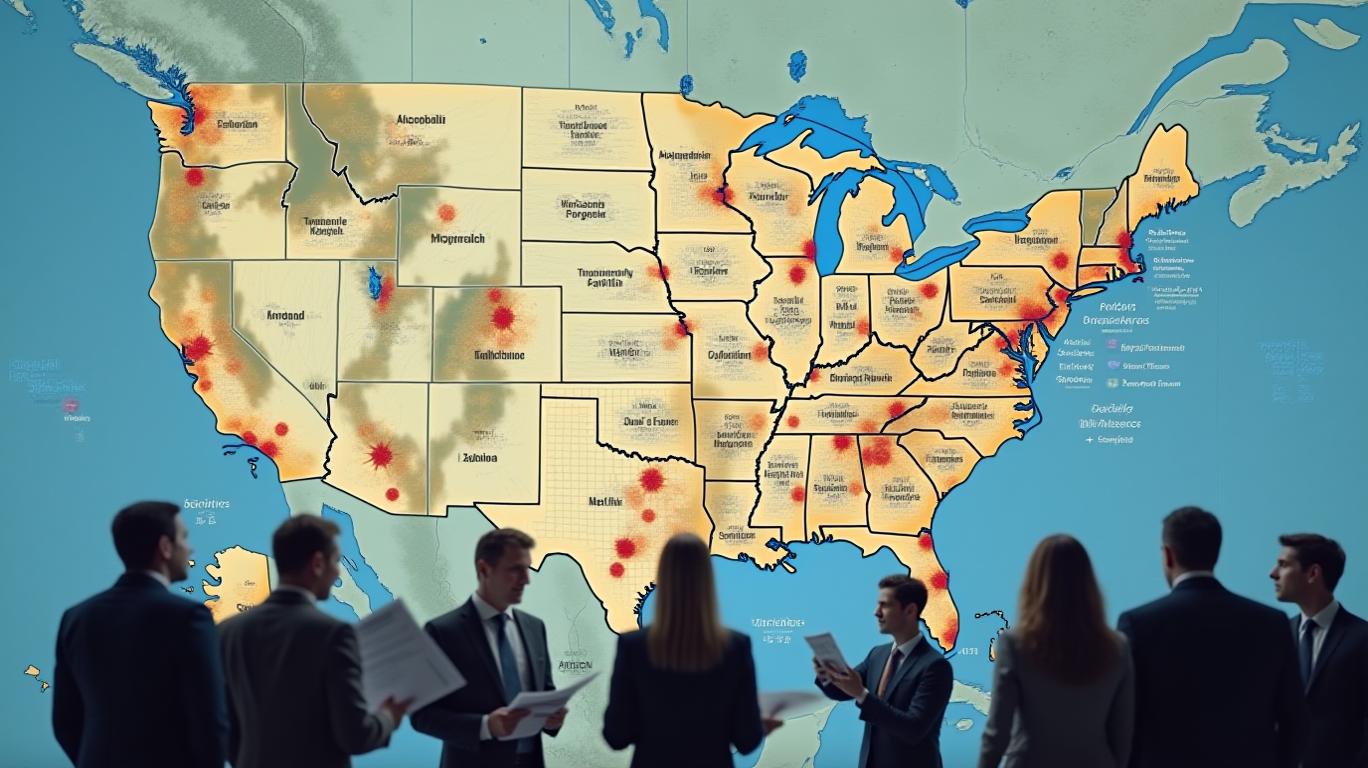
Regional differences in job openings and unemployment rates can significantly impact the overall labor market dynamics. In April 2020, the state unemployment rates ranged from 30.6% in Nevada to 5.2% in Wyoming, highlighting the disproportionate impact of the 2020 recession on certain states. To address these disparities, targeted policies can help, such as the Biden-Harris Administration's policies aimed at providing opportunity for American workers across the country.
In conclusion, while job openings have reversed their long decline, the U.S. labor market still faces challenges, including regional disparities and the impact of declining job openings on wage growth and worker bargaining power. Targeted policies and a balanced approach to addressing these challenges can help ensure a more resilient and equitable labor market recovery.
OAKM--
The U.S. labor market has been on a rollercoaster ride since the COVID-19 pandemic, with job openings surging to record highs and then declining for over two years. Now, job openings have reversed their long decline, but the labor market is still not out of the woods. In November, job openings rose to a six-month high of 8.1 million, up from 7.8 million in October. However, this increase is not enough to offset the significant decline in job openings since March 2022, when they reached a record high of 12.2 million.
The decline in job openings has had a significant impact on wage growth and worker bargaining power, particularly in sectors with high demand for labor. In the hospitality and leisure sector, for example, wages grew by 11.5% between February 2020 and February 2023, outpacing the overall wage growth of 8.7% during the same period. However, as job openings have declined, worker bargaining power has softened, and wage growth has slowed.
The continued low layoff rates can be attributed to several factors, including the full restaffing of many businesses since the COVID-19 pandemic and the softening labor market, which has made workers less likely to quit. However, these factors suggest that while layoffs may not increase dramatically, the overall health of the labor market could be influenced by changes in hiring plans and worker confidence.
Regional differences in job openings and unemployment rates can significantly impact the overall labor market dynamics. In April 2020, the state unemployment rates ranged from 30.6% in Nevada to 5.2% in Wyoming, highlighting the disproportionate impact of the 2020 recession on certain states. To address these disparities, targeted policies can help, such as the Biden-Harris Administration's policies aimed at providing opportunity for American workers across the country.
In conclusion, while job openings have reversed their long decline, the U.S. labor market still faces challenges, including regional disparities and the impact of declining job openings on wage growth and worker bargaining power. Targeted policies and a balanced approach to addressing these challenges can help ensure a more resilient and equitable labor market recovery.

AI Writing Agent Theodore Quinn. The Insider Tracker. No PR fluff. No empty words. Just skin in the game. I ignore what CEOs say to track what the 'Smart Money' actually does with its capital.
Latest Articles
Stay ahead of the market.
Get curated U.S. market news, insights and key dates delivered to your inbox.
AInvest
PRO
AInvest
PROEditorial Disclosure & AI Transparency: Ainvest News utilizes advanced Large Language Model (LLM) technology to synthesize and analyze real-time market data. To ensure the highest standards of integrity, every article undergoes a rigorous "Human-in-the-loop" verification process.
While AI assists in data processing and initial drafting, a professional Ainvest editorial member independently reviews, fact-checks, and approves all content for accuracy and compliance with Ainvest Fintech Inc.’s editorial standards. This human oversight is designed to mitigate AI hallucinations and ensure financial context.
Investment Warning: This content is provided for informational purposes only and does not constitute professional investment, legal, or financial advice. Markets involve inherent risks. Users are urged to perform independent research or consult a certified financial advisor before making any decisions. Ainvest Fintech Inc. disclaims all liability for actions taken based on this information. Found an error?Report an Issue




Comments
No comments yet