
Joann's Final Act: How Store Closures Signal a Retail Industry Turning Point
A sea of red tags now hangs in 800 Joann stores across America, marking the end of an era for the once-ubiquitous fabric and craft retailer. After two Chapter 11 filings in 14 months, Joann has accelerated its liquidation timeline, closing 255 stores by April 30 and shutting the remaining 545 by May 31. This abrupt end to an 82-year-old company—once a staple for DIYers—spotlights deeper cracks in the retail sector.
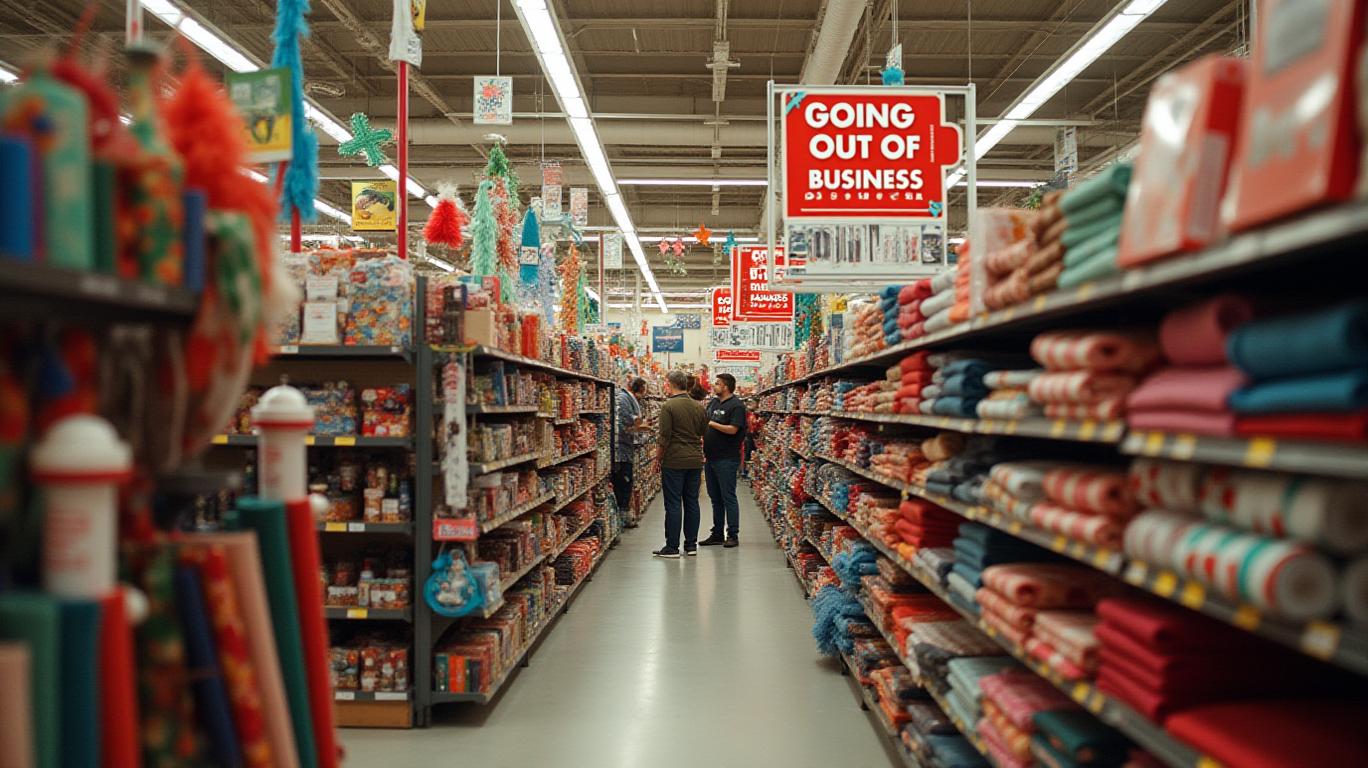
The Bankruptcy Timeline: A Race Against Time
Joann’s troubles began long before its January 2025 bankruptcy filing. The retailer had already emerged from a 2024 Chapter 11 restructuring, only to face renewed financial strain. A key turning point came in February 2025 when the company’s assets were sold to liquidator GA Group for $462.3 million. The deal’s stipulation to close 60% of stores within months forced an accelerated timeline.
By mid-April, the reality hit home. “This isn’t just a store closure—it’s a loss of creative community,” said Wren Walker, a 17-year-old seamstress from Stockton, CA, who frequented her local Joann. The retailer’s unique inventory—like bulk fabric rolls and seasonal decor—has no direct competitor, leaving small businesses scrambling. Carol Sharisky, owner of a custom apron business, lamented, “Michaels and Hobby Lobby can’t match Joann’s selection or pricing. I’ll have to source fabric online, which increases my costs.”
The Human Cost: 19,000 Employees in Limbo
Behind the store closures are 19,000 employees facing an uncertain future. GA Group’s retention program, offering job-search assistance and temporary pay, has been criticized as insufficient. Sarah Burroughs, a manager at a Gainesville, FL, store, described the emotional toll: “We’ve worked here for decades. To see the ‘closed’ sign go up feels like losing family.”
The ripple effects extend beyond jobs. In states like California (61 closures) and Pennsylvania (33 closures), local economies will absorb the shock. For comparison, show a 12% dip as investors brace for increased competition and inventory shifts.
The Bigger Picture: Retail’s Tipping Point
Joann’s collapse isn’t an outlier. The U.S. is on track for 15,000 store closures in 2025—a record fueled by inflation, e-commerce dominance, and shifting consumer habits. “Joann’s reliance on physical stores made it vulnerable,” said retail analyst Emily Carter. “The pandemic accelerated a decline in foot traffic, and they couldn’t pivot quickly enough.”
While competitors like Michaels benefit from the vacuum, the broader lesson is clear: traditional retailers must innovate or perish. Joann’s $1 billion debt burden and inventory missteps—like overstocking holiday items—highlight the perils of outdated business models.
Conclusion: A Wake-Up Call for Retail Investors
Joann’s liquidation isn’t just a footnote in retail history—it’s a cautionary tale. With 255 stores closing by late April and 545 more by May, the numbers underscore a systemic issue. The data speaks plainly:
- 800 stores shuttered in less than a year, with 255 closing in April alone.
- 19,000 jobs lost, impacting communities nationwide.
- $462M in debt, reflecting poor financial management.
Investors should scrutinize retailers with high debt loads and stagnant innovation. The Joann saga shows that in today’s market, survival demands agility—not just in inventory, but in adapting to a world where online and offline shopping are no longer separate lanes. For those still holding stock in struggling retailers, the writing is on the wall: pivot or perish.

Stay ahead of the market.
Get curated U.S. market news, insights and key dates delivered to your inbox.


AInvest
PRO
AInvest
PRO



Comments
No comments yet