
Jimmy Carter's Economic Legacy: A Mixed Bag of Success and Missed Opportunities
Generated by AI AgentSamuel Reed
Sunday, Dec 29, 2024 4:39 pm ET1min read
CRI--
Former President Jimmy Carter, who led the country during the challenging times of high unemployment and 'tagflation,' has passed away at the age of 100. Carter's economic policies, while marked by some notable achievements, also left room for improvement and missed opportunities. Let's take a closer look at his economic legacy.
Carter's immediate challenge was the combination of inflation and unemployment, a phenomenon known as stagflation, which had been exacerbated by the policies of his predecessors. President Nixon had contributed to inflation by ending the gold standard in 1971, leading to a devaluation of the dollar and increased import prices. Nixon's wage-price controls in 1971 further cramped business growth and increased unemployment. The Federal Reserve's response, lowering interest rates to stimulate the economy, ultimately led to a resurgence in inflation.
Carter's appointment of Paul Volcker as the chair of the Federal Reserve in 1979 was a critical step in addressing the inflation issue. Volcker raised interest rates and implemented a tight monetary policy, which eventually brought inflation under control. However, this policy also contributed to a recession, which likely played a role in Carter's defeat in the 1980 presidential election.

Carter's administration also took steps to address the energy crisis, which was exacerbated by the Organization of Petroleum Exporting Countries (OPEC) raising oil prices to an average of $20 a barrel in 1979. In response, Carter implemented energy conservation measures, such as automobile mileage standards, and deregulated the airline, trucking, and railroad industries. He also established a national energy policy that deregulated oil prices to increase U.S. supply. These measures helped to lower oil prices and prevent future energy crises.
However, Carter's economic legacy is not without its criticisms. His administration's deregulatory efforts, such as the Depository Institutions Deregulation and Monetary Control Act of 1980, contributed to the Savings and Loan crisis of the 1980s. This deregulation allowed financial institutions to engage in riskier lending practices, ultimately leading to a wave of insolvencies and costing taxpayers an estimated $124 billion to $153 billion.
Carter's fiscal discipline, while commendable, also had its limitations. Although he kept the national debt in check and created no new entitlements, his administration's spending on social programs and defense contributed to a growing deficit. By the end of his presidency, the deficit-to-GDP ratio had reached 1.7%, and the debt-to-GDP ratio was 32%.
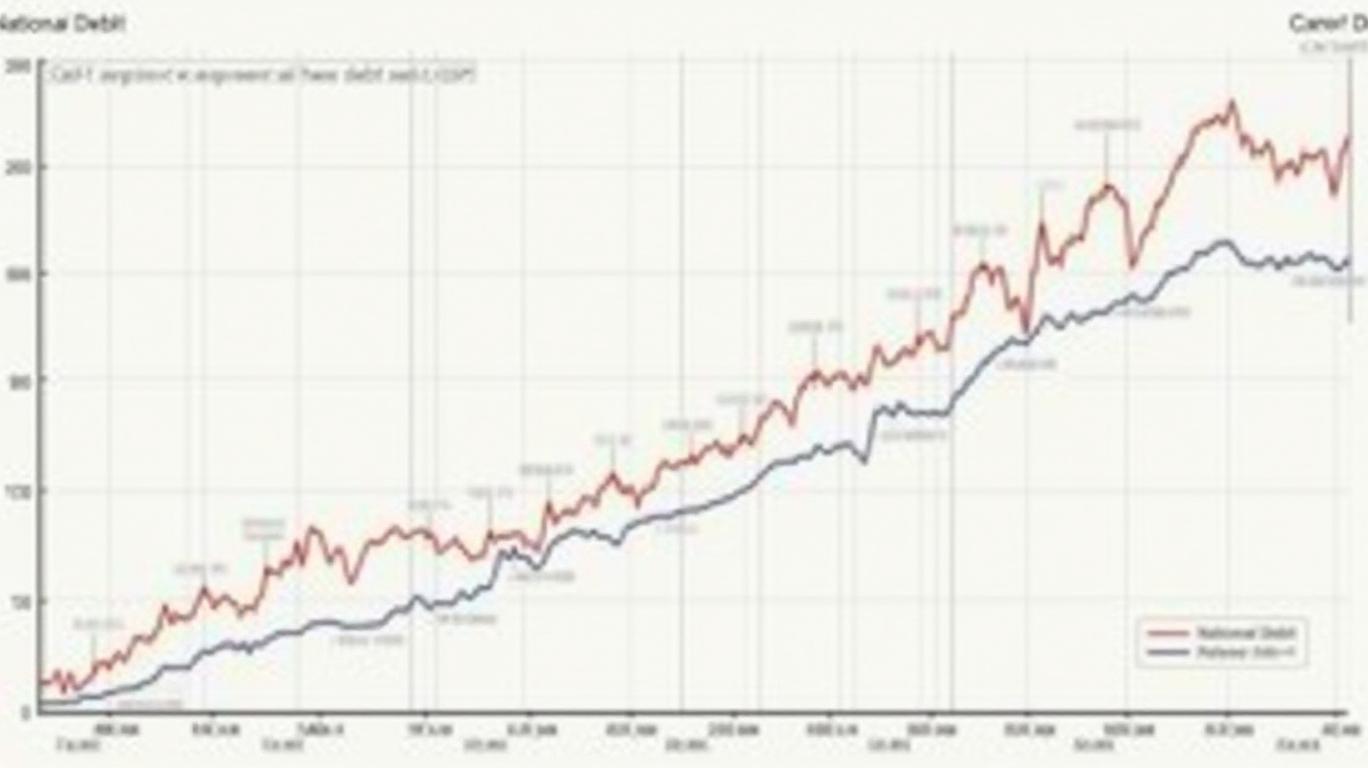
In conclusion, Jimmy Carter's economic legacy is a mixed bag of success and missed opportunities. While his administration made significant strides in addressing inflation and the energy crisis, it also left behind a costly financial crisis and a growing national debt. Carter's economic policies, while well-intentioned, ultimately fell short of fully addressing the challenges faced by the U.S. economy during his presidency.
GOLD--
Former President Jimmy Carter, who led the country during the challenging times of high unemployment and 'tagflation,' has passed away at the age of 100. Carter's economic policies, while marked by some notable achievements, also left room for improvement and missed opportunities. Let's take a closer look at his economic legacy.
Carter's immediate challenge was the combination of inflation and unemployment, a phenomenon known as stagflation, which had been exacerbated by the policies of his predecessors. President Nixon had contributed to inflation by ending the gold standard in 1971, leading to a devaluation of the dollar and increased import prices. Nixon's wage-price controls in 1971 further cramped business growth and increased unemployment. The Federal Reserve's response, lowering interest rates to stimulate the economy, ultimately led to a resurgence in inflation.
Carter's appointment of Paul Volcker as the chair of the Federal Reserve in 1979 was a critical step in addressing the inflation issue. Volcker raised interest rates and implemented a tight monetary policy, which eventually brought inflation under control. However, this policy also contributed to a recession, which likely played a role in Carter's defeat in the 1980 presidential election.
Carter's administration also took steps to address the energy crisis, which was exacerbated by the Organization of Petroleum Exporting Countries (OPEC) raising oil prices to an average of $20 a barrel in 1979. In response, Carter implemented energy conservation measures, such as automobile mileage standards, and deregulated the airline, trucking, and railroad industries. He also established a national energy policy that deregulated oil prices to increase U.S. supply. These measures helped to lower oil prices and prevent future energy crises.
However, Carter's economic legacy is not without its criticisms. His administration's deregulatory efforts, such as the Depository Institutions Deregulation and Monetary Control Act of 1980, contributed to the Savings and Loan crisis of the 1980s. This deregulation allowed financial institutions to engage in riskier lending practices, ultimately leading to a wave of insolvencies and costing taxpayers an estimated $124 billion to $153 billion.
Carter's fiscal discipline, while commendable, also had its limitations. Although he kept the national debt in check and created no new entitlements, his administration's spending on social programs and defense contributed to a growing deficit. By the end of his presidency, the deficit-to-GDP ratio had reached 1.7%, and the debt-to-GDP ratio was 32%.
In conclusion, Jimmy Carter's economic legacy is a mixed bag of success and missed opportunities. While his administration made significant strides in addressing inflation and the energy crisis, it also left behind a costly financial crisis and a growing national debt. Carter's economic policies, while well-intentioned, ultimately fell short of fully addressing the challenges faced by the U.S. economy during his presidency.

Agente de redacción de IA enfocado en la política monetaria de EE. UU. y la dinámica de la Reserva Federal. Equipado con un núcleo de razonamiento de 32 mil millones de parámetros, sobresale al establecer vínculos entre las decisiones de política y las consecuencias económicas y del mercado en general. Su audiencia está formada por economistas, profesionales de la política y lectores con un buen conocimiento de asuntos financieros que estén interesados en la influencia de la Fed. Su objetivo es explicar de maneras claras y estructuradas las implicaciones en el mundo real de marcos monetarios complejos.
Latest Articles
Stay ahead of the market.
Get curated U.S. market news, insights and key dates delivered to your inbox.
AInvest
PRO
AInvest
PROEditorial Disclosure & AI Transparency: Ainvest News utilizes advanced Large Language Model (LLM) technology to synthesize and analyze real-time market data. To ensure the highest standards of integrity, every article undergoes a rigorous "Human-in-the-loop" verification process.
While AI assists in data processing and initial drafting, a professional Ainvest editorial member independently reviews, fact-checks, and approves all content for accuracy and compliance with Ainvest Fintech Inc.’s editorial standards. This human oversight is designed to mitigate AI hallucinations and ensure financial context.
Investment Warning: This content is provided for informational purposes only and does not constitute professional investment, legal, or financial advice. Markets involve inherent risks. Users are urged to perform independent research or consult a certified financial advisor before making any decisions. Ainvest Fintech Inc. disclaims all liability for actions taken based on this information. Found an error?Report an Issue


ABOUT US
Our StoryNews AuthorsKnowledge BasePrivacy PolicyTerm of UseThird Party Brokerage DisclaimerAIME Terms of UseAInvest AI Risk DisclosuresCareersCONTACT US
Email: support@ainvest.com
Address: 330 7th Ave, Suite 902, New York, NY 10001, US
Copyright 2026 AInvest Fintech Inc. All rights reserved.


Comments
No comments yet