
Jimmy Carter: A Life of Service, Challenges, and Enduring Legacy
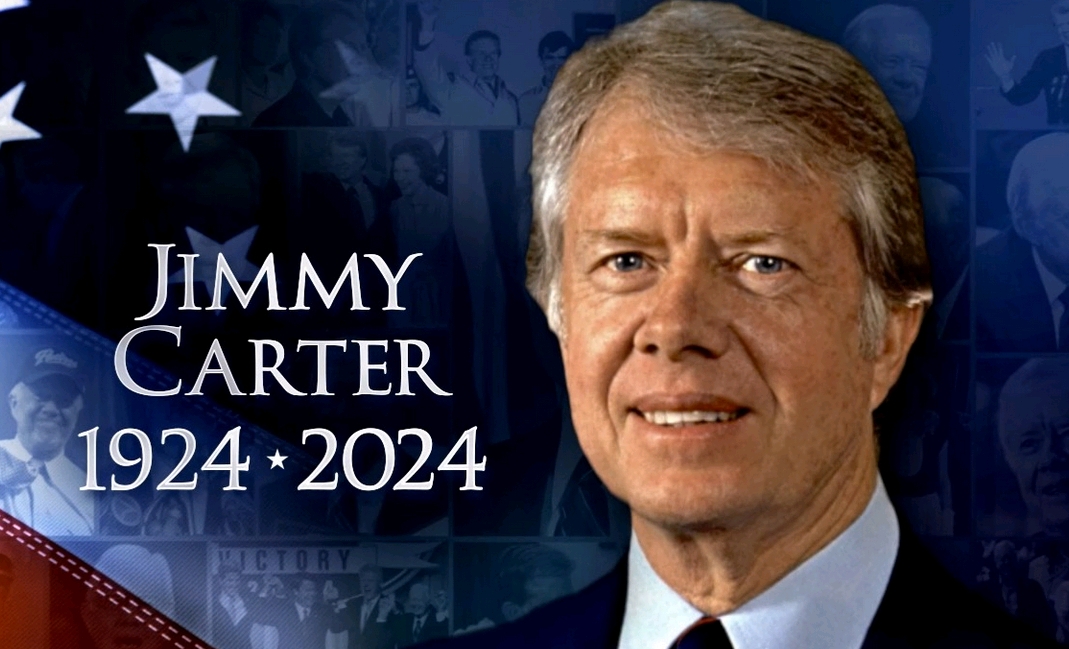
Jimmy Carter, the 39th President of the United States, led an extraordinary life marked by commitment to public service, transformative achievements, and moments of great challenge. His journey, from humble beginnings in rural Georgia to becoming a global advocate for peace and human rights, showcases the depth of his character and the breadth of his contributions.
Early Life and Path to Politics
Born on October 1, 1924, in Plains, Georgia, Carter grew up in a close-knit Baptist family. His early years were shaped by values of hard work and humility. After graduating from the United States Naval Academy in 1946, he married Rosalynn Smith, his lifelong partner and confidante. Carter served as a naval officer for seven years, specializing in nuclear submarine programs under Admiral Hyman Rickover, a pioneer of modern naval technology.
In 1953, following his father's death, Carter left his promising naval career to manage the family peanut farm. This decision brought him closer to his community and ignited his interest in public service. By 1962, he entered politics, winning a seat in the Georgia State Senate. His tenure as Georgia's governor from 1971 to 1975 was marked by significant strides in racial equality, government reform, and environmental conservation, cementing his reputation as a progressive and ethical leader.
________________________________________
Presidential Election and Tenure
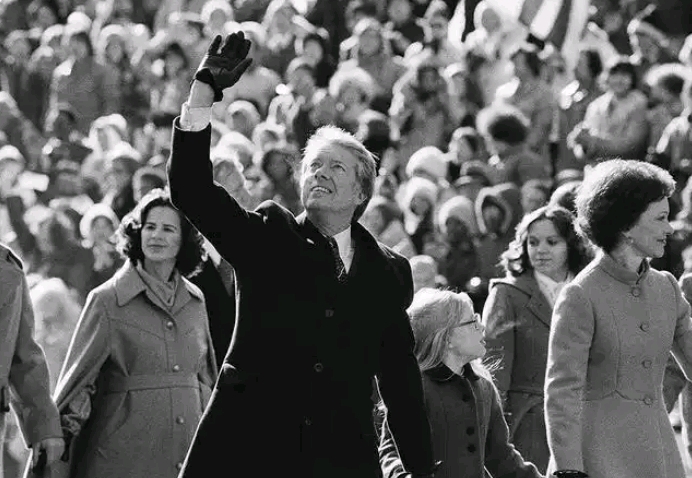
In 1976, amid widespread disillusionment following the Watergate scandal, Carter positioned himself as a symbol of honesty and integrity. His grassroots campaign resonated with voters, and he narrowly defeated incumbent President Gerald Ford. On January 20, 1977, he was sworn in as the 39th President of the United States.
Domestic Achievements
Carter's presidency was defined by ambitious reforms:
• Economic and Administrative Initiatives: He deregulated industries such as aviation, railroads, and trucking, aiming to stimulate competition. He also created the Department of Energy and the Department of Education, expanding federal oversight in critical areas.
• Energy Policy: Confronting the 1970s energy crisis, Carter championed renewable energy and conservation. His push for solar energy research and domestic oil production laid the groundwork for later environmental movements.
• Social Progress: Carter prioritized diversity in government, appointing more women and minorities to prominent positions than any of his predecessors.
________________________________________
Foreign Policy Milestones
Carter's diplomatic legacy is among the most enduring aspects of his presidency:
• Camp David Accords (1978): Carter brokered a historic peace agreement between Egypt and Israel, ending decades of hostility and earning global praise for his mediation skills.
• Normalization of U.S.-China Relations: Under his leadership, the United States and China established formal diplomatic ties in 1979, marking a turning point in global geopolitics.
• Panama Canal Treaties (1977): Carter negotiated the return of the Panama Canal to Panamanian control, resolving a contentious issue with respect for international sovereignty.
• SALT II Agreement: Although the treaty to limit nuclear arms was never ratified due to the Soviet invasion of Afghanistan, Carter's efforts underscored his commitment to reducing Cold War tensions.
________________________________________
Challenges and Setbacks
Despite notable achievements, Carter's presidency faced significant hurdles:
• Economic Stagflation: High inflation and stagnant growth frustrated Americans, diminishing public confidence in his economic policies.
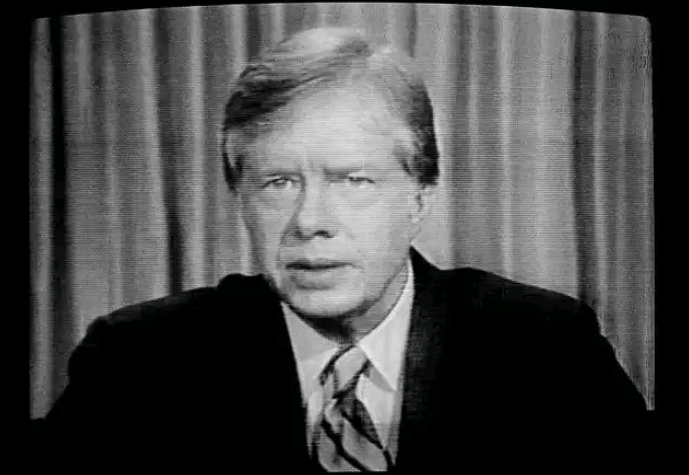
• Iran Hostage Crisis: In 1979, 52 Americans were taken hostage in Tehran. The prolonged crisis, coupled with a failed rescue mission, overshadowed Carter's final year in office and contributed to his loss in the 1980 election to Ronald Reagan.
________________________________________
Post-Presidency and Global Impact
Unlike many former presidents, Carter's influence grew after leaving the White House. In 1982, he established the Carter Center, a nonprofit organization dedicated to promoting peace, democracy, and public health. Notable accomplishments include:
• Mediating conflicts in Haiti, North Korea, and the Middle East.
• Spearheading global health initiatives to combat diseases like Guinea worm and malaria.
• Monitoring over 100 elections in emerging democracies, fostering transparency and fairness.
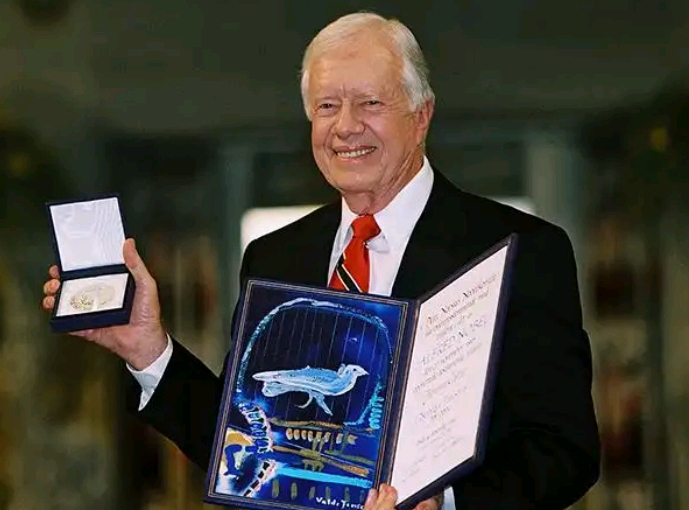
In 2002, Carter was awarded the Nobel Peace Prize for his relentless efforts to resolve conflicts, promote human rights, and improve living conditions in developing nations.
________________________________________
Legacy
Jimmy Carter's life exemplifies service and resilience. Despite the challenges of his presidency, his moral leadership and post-presidential humanitarian work have solidified his place as one of the most respected figures in modern history. From the fields of Georgia to the world stage, Carter's legacy is a testament to the power of dedication, humility, and an unwavering commitment to doing good.

Stay ahead of the market.
Get curated U.S. market news, insights and key dates delivered to your inbox.
AInvest
PRO
AInvest
PRO



Comments
No comments yet