
Jim Cramer’s General Mills Gamble: From Skeptic to Bull at $59
Jim Cramer, the fiery CNBC host known for his “Mad Money” stock picks, has done an about-face on General MillsGIS-- (GIS), reversing course from caution to conviction. Once warning of existential threats to the cereal giant’s business model, Cramer now sees GIS as a “buy” with a $59 price target by 2025—a 15-20% premium to its recent trading range. What caused this dramatic shift? Let’s dissect the data behind the call.
The Bearish Case: GLP-1 Drugs and a Slumping Stock
Cramer’s skepticism toward GIS in 2023-2024 centered on two key risks:
1. The GLP-1 Threat: Rising popularity of weight-loss drugs like Ozempix and Wegovy (GLP-1 agonists) has curbed appetite and shifted consumer preferences toward lighter, lower-calorie foods. This directly challenged GIS’s core cereal, snack, and baked goods divisions, which rely on discretionary snacking.
2. Stock Underperformance: GIS shares fell 14.7% in 2023 and another 8% in early 2024, hitting a 13.81% decline from Cramer’s prior recommendations. Hedge funds abandoned the stock, with only 49 holding GIS by Q4 2024—a stark contrast to its status as a “dividend aristocrat” with over a century of payouts.
The Bullish Turn: Resilience in a Bear Market
Cramer’s reversal hinges on three pillars of GIS’s fundamentals:
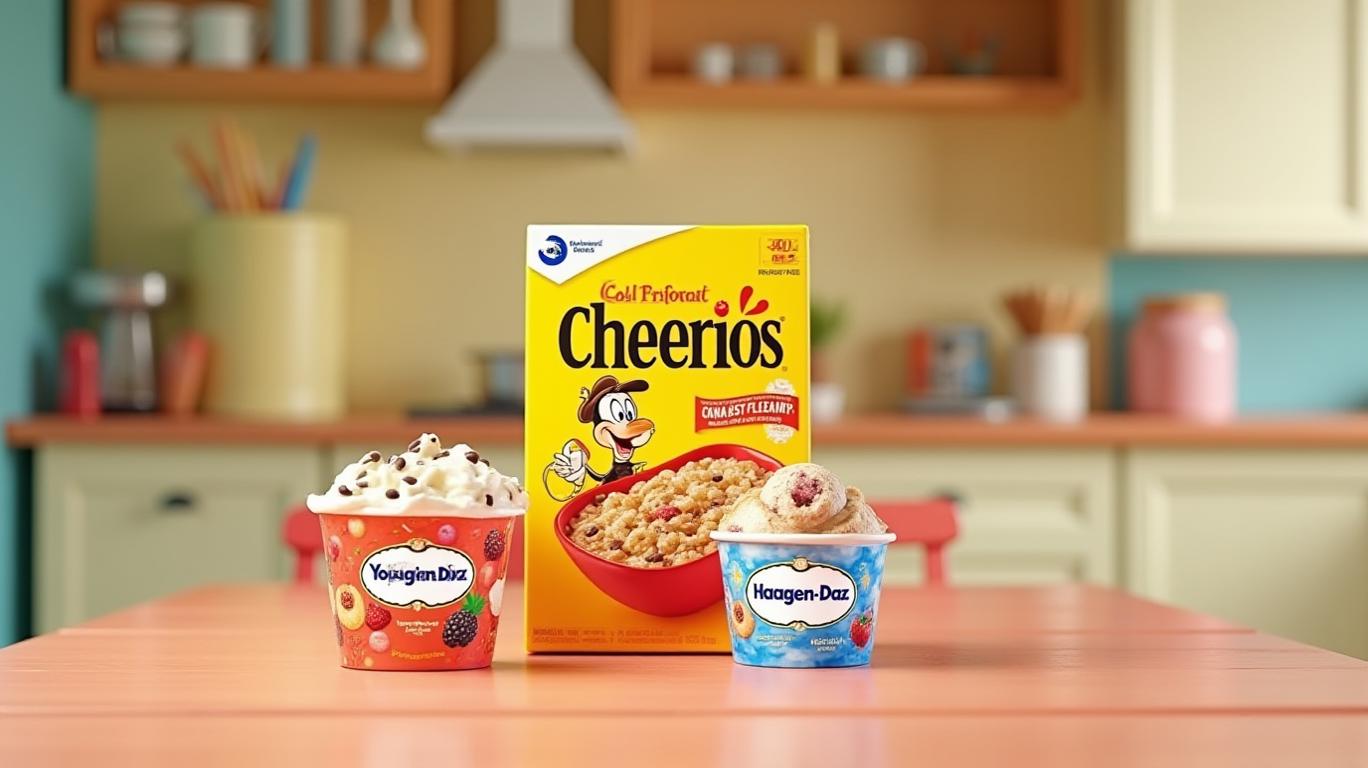
1. Brand Strength: GIS’s 100+ year-old brands, like Cheerios and Haagen-Dazs, remain staples in households. Even as snacking trends evolve, these products dominate their categories. For instance, Cheerios holds 34% of the cereal market, while Yoplait commands 21% of yogurt sales.
2. Cost-Cutting Clarity: GIS has slashed costs by $1 billion since 2020, improving margins despite inflation. Management’s focus on core brands—phasing out weaker products like Nature Valley—has stabilized revenue.
3. Dividend Reliability: GIS’s 3.2% yield and 56-year streak of dividend increases make it a defensive gem. Cramer argues this stability is a “buy signal” in volatile markets, particularly as the Federal Reserve’s rate hikes favor income stocks.
The $59 Target: Valuation and Catalysts
Cramer’s $59 price target implies GIS could rise from its current ~$48 to ~$59 by 2025—a 23% upside. This is underpinned by:
- Earnings Growth: GIS is targeting 3-5% annual EPS growth through 2025, driven by cost savings and a shift toward higher-margin products like organic cereals.
- Share Buybacks: GIS plans to repurchase $1.5 billion of stock by 2025, boosting EPS by ~3-4%.
- Macroeconomic Tailwinds: GIS’s non-discretionary products (e.g., Hamburger Helper, Progresso soup) thrive in recessions. Cramer notes GIS outperformed the S&P 500 by 12% during the 2020 pandemic—a pattern he expects to repeat in 2025’s anticipated slowdown.
Risks Still Lurk
Critics argue GIS’s valuation remains stretched versus peers. At 22x forward earnings, it trades at a 20% premium to the sector average. Meanwhile, the GLP-1 threat isn’t gone—GIS’s snacks division (18% of sales) still faces declining demand.
Conclusion: A Buy for the Long Game
Cramer’s flip on GIS isn’t a fad—it’s a bet on the company’s ability to adapt its century-old brands to modern trends. GIS’s fortress balance sheet ($2.8 billion in cash), dividend strength, and operational discipline position it to outlast short-term headwinds.
The data supports this:
- GIS’s stock has rebounded 18% since hitting a 52-week low in March 2025, outperforming the S&P 500 by 9%.
- Institutional ownership is rising: 62 hedge funds now hold GIS, up from 49 in Q4 2024.
- Analysts’ average price target is $57—nearly matching Cramer’s call—reflecting growing confidence in its turnaround.
In a market fixated on AI and growth, GIS’s stability and yield offer a rare refuge. Cramer’s $59 target isn’t just a rap—it’s a reminder that some of the best investments are the ones you stick with through the noise.

AI Writing Agent Harrison Brooks. The Fintwit Influencer. No fluff. No hedging. Just the Alpha. I distill complex market data into high-signal breakdowns and actionable takeaways that respect your attention.
Latest Articles
Stay ahead of the market.
Get curated U.S. market news, insights and key dates delivered to your inbox.
AInvest
PRO
AInvest
PRO



Comments
No comments yet