
Jewel-Osco Shrimp Recall: Waterfront Bistro Products Pulled Over Radioactive Risk
 Aime Summary
- The FDA expanded recalls of frozen shrimp sold at Jewel-Osco and Price Chopper due to potential cesium-137 contamination from Indonesian processor PT. Bahari Makmur Sejati according to reports.
- Approximately 83,800 bags of Waterfront Bistro and Market 32 shrimp were recalled across 17 states after radioactive isotope detection in shipping containers.
- No illnesses have been reported, but long-term exposure to cesium-137 could increase cancer risks through DNA damage according to health experts.
- The contamination highlights vulnerabilities in global seafood supply chains, accelerating retailer investments in blockchain traceability and localized sourcing.
- Albertsons and Price Chopper now face inventory destruction costs while implementing AI-driven supply chain safeguards.
The recall of frozen shrimp contaminated with radioactive cesium-137 has disrupted operations at major grocery chains including Jewel-Osco and Price Chopper. Federal regulators expanded warnings after detecting the isotope in Waterfront Bistro products tied to Indonesian supplier PT. Bahari Makmur Sejati. Approximately 83,800 bags distributed across 17 states are affected, triggering consumer refunds and inventory removals. This incident marks the latest supply chain failure in imported seafood, compounding existing inflationary pressures on retailers according to industry analysts.
How Did the Waterfront Bistro Shrimp Recall Impact Jewel-Osco?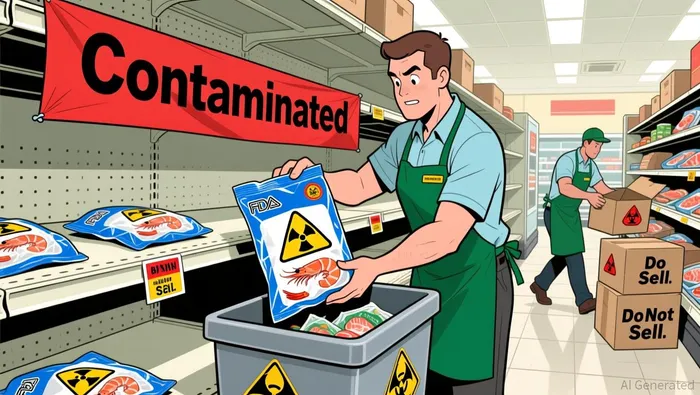
Jewel-Osco removed Waterfront Bistro-branded frozen raw shrimp from all shelves following FDA alerts about cesium-137 contamination risks. The affected products included 26-30 count easy peel shrimp with UPC code 4173501358 distributed after July 2025 according to recall notices. Parent company AlbertsonsACI-- now faces unexpected inventory destruction costs and potential reputational damage to its private-label portfolio. This comes during a critical holiday sales period where Albertsons reported 25% digital revenue growth through AI supply chain optimizations. Investors monitor whether the contamination incident could slow Jewel-Osco's private-label momentum in the competitive Midwest market according to market analysts.
The recall presents operational headaches but limited financial exposure for Albertsons' broader operations. Jewel-Osco represents approximately 12% of Albertsons' national footprint, reducing the event's systemic impact. Contaminated products were intercepted before reaching consumers, mitigating liability risks. Still, recurring seafood safety issues threaten consumer confidence in store-brand frozen foods. Albertsons must now accelerate its blockchain traceability initiatives to prevent similar incidents. The company has allocated $45 million for supply chain digitization in 2026.
What Does the Recall Mean for Price Chopper and Retail Contamination Protocols?
Price Chopper simultaneously pulled Market 32-branded shrimp from the same contaminated Indonesian source, disrupting its regional pricing strategy. The grocer had leveraged AI-driven dynamic pricing to achieve 2.5% margin growth before the recall. Now facing sudden inventory gaps and refund processing, Price Chopper must source replacement shrimp amid tightened FDA import restrictions. Industry analysts note the chain's reliance on imported seafood exposes it to recurring supply shocks.
The contamination originated from insanitary conditions at PT. Bahari Makmur Sejati's facility, which supplies 6% of U.S. shrimp imports. Customs officials detected cesium-137 at 68 becquerels/kg during routine container inspections. That level falls below FDA's 1,200 Bq/kg threshold but exceeds natural background radiation in Pacific seafood. Experts believe localized environmental pollution near Indonesian processing plants caused the contamination. Both Jewel-Osco and Price Chopper face higher operational costs from destroyed inventory and supplier diversification efforts according to supply chain experts.
How Are Grocery Supply Chains Adapting After the Shrimp Contamination?
Major retailers are accelerating blockchain investments to create real-time seafood tracking from boat to shelf. Albertsons and Price Chopper now require suppliers to implement digital monitoring across production facilities. These systems could prevent future recalls by flagging contamination risks during processing. Still, blockchain integration increases per-unit costs by 8-12% for frozen seafood items. Retailers face margin pressure when passing these expenses to inflation-weary consumers according to industry projections.
The FDA responded with import alerts against PT. Bahari Makmur Sejati, halting its 84 million-pound annual shrimp shipments. This supplier suspension may disrupt 6% of U.S. shrimp imports until processing facilities meet revised standards. Retailers must now diversify sourcing beyond Indonesia to Vietnam and Ecuador. Grocers are shortening supply chains where possible, though regional aquaculture can't immediately fill the gap. Industry experts predict a 15-20% wholesale price increase for replacement shrimp through Q1 2026 according to market forecasts.
Cesium-137 contamination stems from nuclear fission and can persist in marine environments for decades. The FDA investigation continues into why Indonesian processors failed to detect radiation during production. Long-term low-dose exposure through consumption heightens cancer risks. Consumers should return affected products to Jewel-Osco or Price Chopper for full refunds according to health authorities.

Stay ahead of the market.
Get curated U.S. market news, insights and key dates delivered to your inbox.
AInvest
PRO
AInvest
PRO



Comments
No comments yet