
JetBlue Faces Legal Fallout as American Airlines Seeks $100 Million in Damages
 Aime Summary
- JetBlue is being sued for $100 million by American AirlinesAAL-- over the dissolution of their Northeast Alliance, which a federal court ruled violated antitrust laws.
- The court rejected JetBlue's argument that the case should be under New York jurisdiction, allowing American's claim to proceed in Texas according to court records.
- The dissolution of the alliance aimed to optimize flight operations but was found to suppress competition in the Northeast U.S. market as reported.
- This case highlights the tension between airline collaborations and antitrust compliance, with potential implications for future partnerships according to industry analysis.
- JetBlue faces financial and reputational risks as it contends with legal challenges amid its strategic efforts to expand with United Airlines as detailed.
The legal battle between JetBlueJBLU-- and American Airlines is more than just a financial dispute—it's a case study in the evolving regulatory environment for airline alliances. The dissolution of the Northeast Alliance, mandated by a court over antitrust concerns, , which argues that JetBlue failed to meet its financial obligations. The Texas court has now ruled in favor of American, allowing the case to proceed and potentially setting a precedent for how such disputes are handled in the future.
As of now, the outcome of this lawsuit remains uncertain, but it has already forced JetBlue into a defensive position. The airline is not only navigating the financial implications of a potential payout but also the broader scrutiny from regulators and the market. The airline industry is in a period of consolidation and re-strategizing, and this case could influence how future partnerships are structured, particularly in markets with high competition.
What Did the Federal Court Ruling Mean for JetBlue and American Airlines?
The court's decision to dissolve the Northeast Alliance came after a detailed review of the partnership's impact on market competition. The alliance, which allowed for shared flight scheduling, revenue, and frequent flyer benefits, was deemed to reduce consumer choice and limit competition. While such partnerships often aim to enhance operational efficiency, the court found that in this case, the benefits to customers were outweighed by the antitrust concerns according to the ruling.
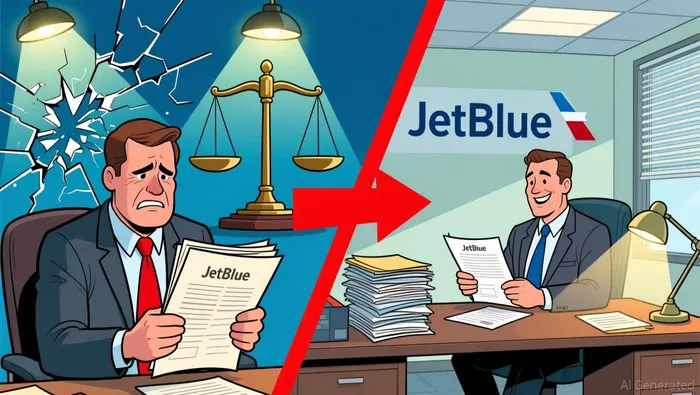
The legal battle has now entered its next phase, with American Airlines pursuing a financial claim for damages. The ruling that the case can proceed in Texas is significant because it limits JetBlue's ability to argue for a more favorable jurisdiction. This move by American Airlines could also signal a broader willingness to enforce financial terms in partnerships, especially when one party seeks to dissolve the agreement under legal pressure. For JetBlue, the challenge is to defend its position while managing the potential financial hit and reputational damage that could result from a large settlement.
Why Is This Legal Dispute Important for Investors?
For retail investors and those monitoring the airline sector, the JetBlue vs. American Airlines case is more than just a legal drama. It raises key questions about the future of airline alliances in a regulatory environment that is increasingly cautious about market dominance. Airlines have long used partnerships to expand their networks and improve customer offerings, but this case shows that such arrangements must now be approached with a deeper understanding of antitrust risks.
Moreover, the financial implications for JetBlue could impact its ability to invest in growth initiatives. While the company has been working on its to streamline operations and improve profitability, a large legal payout could strain its balance sheet and delay planned investments. Investors should also keep an eye on JetBlue's partnership with United Airlines, which could evolve into a full acquisition. A major legal liability from this case could influence United's decision-making and potentially affect the terms of any future deal as reported.
In the broader context, the case reflects the ongoing tension between innovation and regulation in the airline industry. While airlines seek to improve efficiency and customer experience through alliances, regulators remain vigilant about protecting competition. For investors, the key takeaway is that future partnerships may need to be structured with a clearer legal and financial framework to avoid similar disputes. The outcome of this case could shape how airlines approach both new and existing collaborations in the years to come.
What Should Investors Watch for in the Coming Months?
The immediate next step in this case is the court proceedings, which will determine the extent of JetBlue's financial obligations. If the court rules in favor of American Airlines, JetBlue may be required to pay a significant amount in damages. This could affect the airline's operating cash flow and profitability, especially in a year where it is aiming for a breakeven or better operating margin.
Investors should also monitor JetBlue's partnership with United Airlines to see how this legal dispute might influence any potential acquisition. A major legal liability could make United more cautious in finalizing a deal or lead to more favorable terms for United. Additionally, the airline industry as a whole may adjust its alliance strategies to avoid similar antitrust challenges, which could impact JetBlue's ability to expand its network through partnerships.
Ultimately, this case is a reminder that legal and regulatory risks can have a real impact on a company's financial health. While JetBlue has made significant progress in its operational and financial recovery, this legal battle introduces a layer of uncertainty that could affect investor sentiment and stock performance in the near term. For those watching the airline sector, the JetBlue vs. American Airlines case is a key development that could influence how partnerships are formed and managed in the future.

Stay ahead of the market.
Get curated U.S. market news, insights and key dates delivered to your inbox.


AInvest
PRO
AInvest
PRO



Comments
No comments yet