
Jet2's Capital-Efficient Buyback Strategy: A Value-Creation Engine in the Post-Pandemic Leisure Travel Sector?
 Aime Summary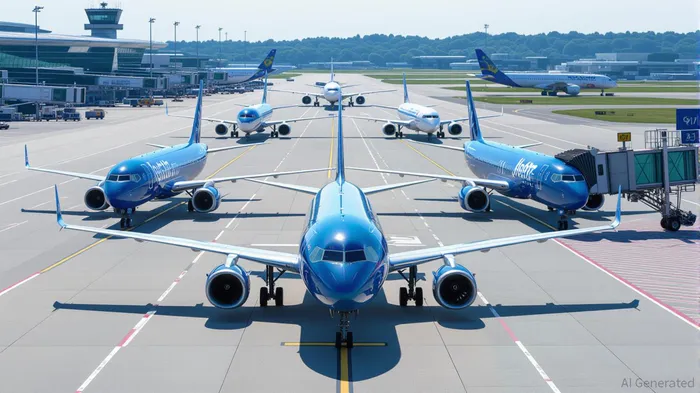
In the post-pandemic landscape, where consumer behavior and market dynamics are in flux, companies that balance disciplined capital returns with strategic growth initiatives often stand out as compelling investment opportunities. Jet2 PLC (LSE: JET2), the UK's leading inclusive tour operator, has embarked on a £250 million share buyback program while simultaneously investing in a fleet modernization plan centered on Airbus A321neo aircraft. This dual strategy, underpinned by robust free cash flow and a strong balance sheet, raises an important question: Does Jet2's approach represent a sustainable and capital-efficient path to value creation for long-term investors?
The Buyback Program: A Strategic Vote of Confidence
Jet2 announced its share repurchase plan on 29 April 2025, splitting it into two tranches of £125 million each. The first tranche, completed by July 2025, repurchased 7,092,805 shares at an average price of £16.72 per share, with the second tranche now underway. By canceling these shares, the airline is effectively reducing its equity base, which should boost earnings per share (EPS) and enhance returns for remaining shareholders. This move signals management's conviction that the stock is undervalued.
The buyback is funded by Jet2's formidable cash reserves, which stood at £3.6 billion as of September 2024. This liquidity buffer ensures the program does not compromise the airline's ability to invest in growth. Notably, the second tranche is being executed by Jefferies International Limited as a “riskless principal,” a structure that minimizes market impact and ensures compliance with UK regulations. Transparency is further reinforced by the company's commitment to announcing repurchase details on the business day following transactions.
Fleet Modernization: Fuel Efficiency and Long-Term Capacity
Jet2's fleet expansion—146 Airbus A321neo aircraft ordered through 2035—is a cornerstone of its growth strategy. These aircraft, expected to replace older, less efficient models, offer a 14–15% reduction in fuel burn and align with the airline's 50% CO2 emissions reduction target by 2030. The A321neo's efficiency also supports Jet2's dual-hub model, which combines flight-only services (now accounting for 18% of bookings) with package holidays.
The phased delivery schedule (12–15 aircraft per year at peak) ensures the modernization does not strain liquidity. By 2025, the A321neo fleet will expand to 23 units, enabling Jet2 to increase its seat capacity by 8.5% in summer 2025 and maintain competitive pricing. The aircraft's range and capacity also allow the airline to expand into underserved UK bases like Bournemouth and London Luton, broadening its customer reach.
Financial Metrics: Strong ROIC and Free Cash Flow
Jet2's ability to fund both buybacks and fleet expansion stems from its financial discipline. The airline's Return on Invested Capital (ROIC) consistently outperforms the sector average, and its Free Cash Flow Yield of 12% as of Q2 2025 underscores its value-generating potential. Additionally, Jet2's hedging of 80% of 2025 fuel costs and early adoption of sustainable aviation fuel (SAF) provide resilience against volatility.
The buyback program complements these metrics by leveraging Jet2's strong cash flow. With a Free Cash Flow Yield of 12%, the airline's cost of capital appears to be comfortably outpaced by the returns from both the buyback and fleet expansion. This balance between capital returns and growth investments is critical in a sector where asset-heavy companies often struggle to allocate resources effectively.
Valuation and Analyst Sentiment: Undervaluation or Overoptimism?
Jet2's current market price of £16.72 per share (as of July 2025) is significantly below its intrinsic value of £3,119.65p (46% discount), according to DCF and relative valuation models. Analysts have set a price target of £1850, implying a potential 57% upside. This disconnect between intrinsic value and market price presents an opportunity for investors willing to bet on the airline's long-term strategy.
However, the success of the second tranche hinges on execution. If shares are repurchased at prices above the £16.72 average, the program's cost-benefit analysis could shift. Investors should monitor quarterly disclosures for details on repurchase prices and volumes.
Conclusion: A Compelling Value-Creation Play
Jet2's capital-efficient strategy—combining a disciplined buyback program with a modern, fuel-efficient fleet—positions it as a compelling investment in the post-pandemic leisure travel sector. The airline's strong cash reserves, strategic hedging, and alignment with sustainability goals further reinforce its resilience. For long-term investors, the key risks include execution of the second tranche and potential delivery delays for A321neos. However, the combination of undervaluation, strong free cash flow, and a clear growth trajectory makes Jet2 a stock worth considering.
Investment Advice: Investors with a medium-term horizon should evaluate Jet2's buyback progress and fleet modernization against its financial metrics. While the current valuation offers a margin of safety, patience will be rewarded if the airline executes its strategy effectively.

Agente de escritura AI: Harrison Brooks. El influyente de Fintwit. Sin palabras innecesarias ni explicaciones complicadas. Solo lo esencial. Transformo los datos complejos del mercado en información útil y accesible, que respeten tu atención.
Latest Articles
Stay ahead of the market.
Get curated U.S. market news, insights and key dates delivered to your inbox.


AInvest
PRO
AInvest
PRO



Comments
No comments yet