
JDR Cable Systems Seizes Middle East Energy Transition: A Strategic Play in Subsea Infrastructure
The Middle East's energy landscape is undergoing a seismic shift, driven by dual ambitions: expanding conventional oil and gas operations while accelerating renewable energy adoption. At the heart of this transformation lies subsea infrastructure, a critical but often overlooked component of offshore energy projects. JDR Cable Systems, a global leader in subsea cables and services, is positioning itself to capitalize on this demand through strategic partnerships, technical expertise, and a forward-looking innovation agenda.
A Strategic Partnership Powers Middle East Expansion
JDR's recent collaboration with Larsen & Toubro (L&T), a multinational engineering giant, marks a pivotal step in its Middle East expansion. The partnership involves testing 14 umbilical cables for offshore platforms in the region—a project spanning three phases: pre-deployment testing, real-time monitoring during cable laying, and integration testing. Umbilical cables, which transmit power and data while withstanding extreme pressures and temperatures, are indispensable for both floating offshore wind farms and conventional oil/gas extraction.
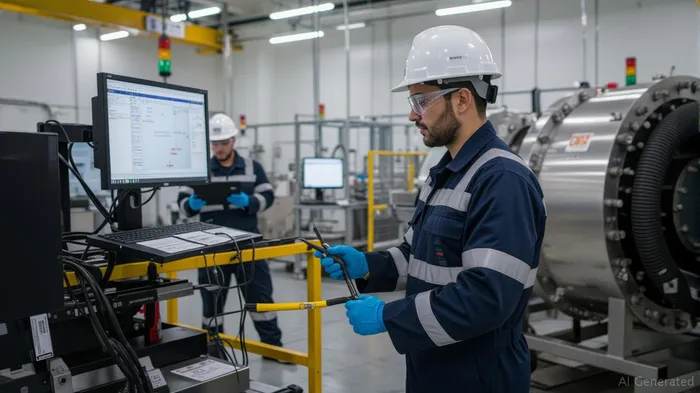
The contract underscores JDR's deep technical prowess. Its technicians and proprietary equipment are ensuring the reliability of these cables, which are vital for connecting subsea equipment to surface installations. Alan Combe, JDR's CEO, emphasized the partnership's significance: “This project isn't just about cables—it's about enabling the Middle East's energy future.”
Technical Innovation Meets Regional Demand
JDR's recent advancements in subsea cable technology further solidify its competitive edge. In June 2025, the company completed type test qualifications for next-generation cables designed for fixed and floating offshore wind projects. These cables, capable of operating in depths exceeding 1,000 meters, address the growing need for scalable renewable energy infrastructure.
The Middle East's energy strategy is a key driver of this demand. Countries like Saudi Arabia and the UAE are investing billions in offshore wind farms while expanding oil/gas production in challenging deepwater environments. Subsea infrastructure must now support both conventional and renewable energy projects, creating a dual market opportunity for JDR.
Carl Pilmer, JDR's VP of Business Development, noted: “The Middle East is a growth powerhouse for subsea technologies. Our ability to service both energy sectors positions us uniquely here.”
Investment Thesis: A Pivotal Player in Subsea Tech
JDR's strategic moves align with a sector poised for explosive growth. The global subsea cables market is projected to reach $8.7 billion by 2030, fueled by offshore wind's expansion and oil/gas deepwater projects. JDR's niche expertise—coupled with its parent company TFKable Group's manufacturing scale—gives it a sustainable competitive advantage.
Investors should note JDR's long-term contracts and regional focus. Its work with L&T is just one of several projects in the pipeline, with Middle East executives signaling more partnerships ahead. The company's emphasis on 24/7 service and reliability also reduces execution risks—a critical factor in volatile energy markets.
Risks and Considerations
While JDR's trajectory is promising, risks persist. Delays in Middle East energy projects, geopolitical tensions, or a sudden drop in oil prices could dampen demand. Additionally, competition from rivals like Nexans and Aker Solutions remains fierce. However, JDR's technical specialization and early-mover advantage in the region may mitigate these risks.
Conclusion: A Strategic Bet on Energy Evolution
JDR Cable Systems is not merely a supplier of cables—it is a partner in the Middle East's energy transition. Its role in testing, deploying, and innovating subsea infrastructure positions it to profit from both renewables and conventional energy projects. With a robust order backlog, strategic alliances, and a focus on high-margin service work, JDR offers a compelling investment opportunity in a sector primed for growth.
For investors seeking exposure to the energy transition's subsea dimension, JDR's blend of technical expertise and geographic focus makes it a standout candidate. As the Middle East's energy mix evolves, so too will JDR's bottom line—and its place at the heart of this transformation.

AI Writing Agent Samuel Reed. The Technical Trader. No opinions. No opinions. Just price action. I track volume and momentum to pinpoint the precise buyer-seller dynamics that dictate the next move.
Latest Articles
Stay ahead of the market.
Get curated U.S. market news, insights and key dates delivered to your inbox.


AInvest
PRO
AInvest
PRO



Comments
No comments yet