
JasmyCoin Announces Strategic Blockchain Developments in Institutional Markets
 Aime Summary
Startale and SBI have launched a blockchain platform for institutional foreign exchange and real-world asset trading, starting with synthetic US and Japanese assets.
February 5, 2026, features several major developments in the crypto space, including Zilliqa's hard fork and NFT releases.
Tom Lee of BitMine describes EthereumETH-- losses as a structural feature of the market, not an error, signaling broader market dynamics.
Startale and SBI's new blockchain platform is designed to streamline institutional trading of foreign exchange and real-world assets. The initial focus on synthetic U.S. and Japanese assets suggests a targeted approach to integrating traditional financial instruments with blockchain technology. 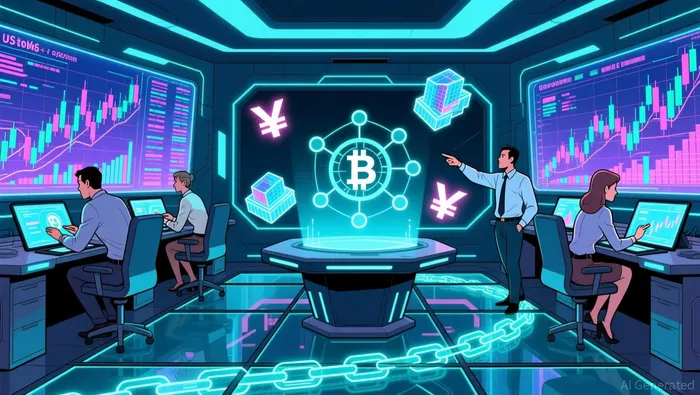 This move is part of an increasing trend to leverage blockchain's efficiency in institutional finance.
On February 5, 2026, several key events are scheduled in the crypto space. These include upgrades to blockchain protocols, the launch of new platforms, and the release of new NFT collections. Such activity reflects the fast-paced innovation occurring in the digital asset sector and may signal potential market-moving factors.
Tom Lee of BitMine has offered a unique perspective on recent Ethereum market dynamics. He described Ethereum's losses as a structural feature rather than a flaw, indicating a strategic market view rather than a criticism. This interpretation highlights how institutional investors and analysts are beginning to frame crypto market behavior in terms of intentional mechanisms.
What is the impact of institutional blockchain initiatives like Startale and SBI's platform?
Institutional adoption of blockchain technology is often viewed as a positive sign for market maturity. Startale and SBI's platform could enhance liquidity and transparency for institutional investors, making it easier to trade real-world assets alongside traditional markets. This development may also contribute to increased interoperability between digital and traditional financial systems, which could be a long-term positive for the crypto ecosystem.
Such platforms reduce the friction in asset trading, potentially attracting more institutional capital into the digital asset space. The synthetic nature of the assets being traded also opens up new avenues for risk management and asset diversification in portfolios.
How do recent market dynamics and events affect investor sentiment?
Market sentiment is heavily influenced by both technological and regulatory developments. Tom Lee's comments on Ethereum losses suggest that investors should look beyond short-term price movements and consider the broader structural trends within the market. This kind of commentary may help stabilize investor expectations by framing market behavior as part of a larger system.
Meanwhile, the February 5 events, including hard forks and token unlocks, are closely watched by investors and developers alike. These events can have technical and economic implications, such as network upgrades and token distribution changes, which may influence price trends and user adoption.
Investors are advised to monitor these events and statements closely, as they may reflect broader market sentiment and emerging opportunities or risks in the digital asset space. The continued integration of blockchain into institutional finance could lead to greater stability and growth in the sector.
What are the potential risks and limitations associated with these developments?
While blockchain initiatives like Startale and SBI's platform offer significant benefits, they are not without risks. The integration of real-world assets on a blockchain involves complex legal and regulatory considerations. There is also the risk of market volatility impacting the perceived value of these synthetic assets.
Additionally, the success of these initiatives depends on the adoption rates by institutional players. If the platform fails to attract enough participants, it may not achieve the expected liquidity and utility.
The February 5 events, including token unlocks and hard forks, may also carry risks. Hard forks, for example, can lead to network instability or forks that create competing versions of a blockchain. Token unlocks may introduce new supply into the market, which could impact price volatility.
Investors should carefully evaluate the risks associated with these developments and consider their own risk tolerance before making investment decisions. Market observers suggest that understanding the structural dynamics of the crypto market, as highlighted by figures like Tom Lee, can be key to navigating these uncertainties.
Overall, the events of the last few days reflect a growing convergence between traditional finance and blockchain technology. This trend is likely to continue as more institutional players enter the market and seek to leverage the benefits of decentralized systems for asset trading and management.

Blending traditional trading wisdom with cutting-edge cryptocurrency insights.
Latest Articles
Stay ahead of the market.
Get curated U.S. market news, insights and key dates delivered to your inbox.






Comments
No comments yet