
Japan's TOPIX, Nikkei 225 Plunge 9%, 8% Amid Trade War Fears
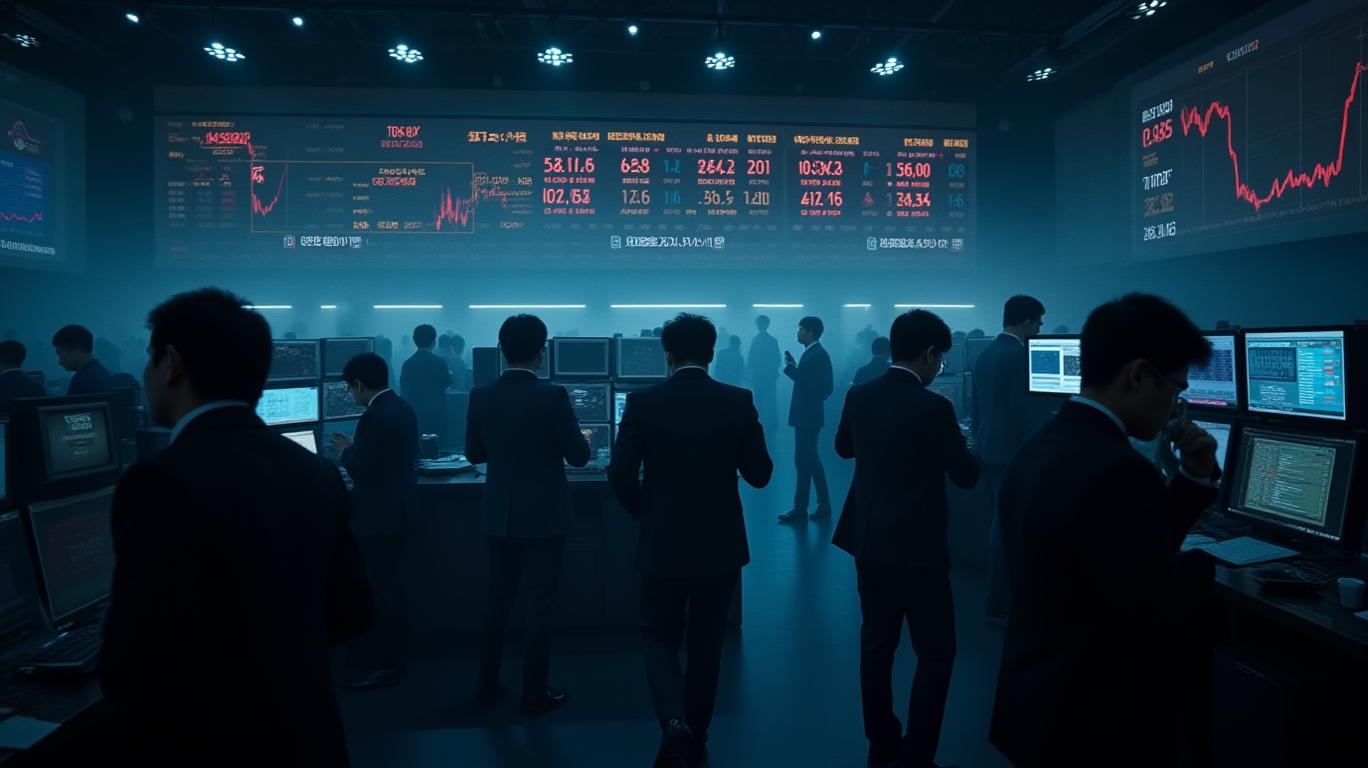
On Monday morning, Japan's TOPIX index experienced a significant decline of 9%, while the Nikkei 225 index plummeted by 8%. This sharp drop was driven by investor concerns over the potential economic impact of the escalating trade war initiated by former U.S. President Donald Trump. The intense selling pressure triggered circuit breakers, temporarily halting trading in both the Nikkei 225 and TOPIX futures.
The financial sector was particularly hard hit, with the TOPIX Financial Index plunging by more than 14%. This dramatic decline reflects the heightened anxiety among investors about the broader economic implications of the trade war. The financial sector, which is sensitive to economic uncertainties, saw a massive sell-off as investors sought to mitigate potential risks.
The trade war concerns have led to a widespread sell-off across various sectors, with export-related stocks being particularly affected. Companies heavily reliant on international trade, such as electronics and automotive manufacturers, faced significant declines. For instance, semiconductor-related stocks like Renesas Electronics and DiscoLAW-- Corp. saw their shares drop by more than 7%.
The impact of the trade war extends beyond Japan, affecting global financial markets. The uncertainty surrounding trade policies has led to a broader risk-off sentiment, with investors seeking safe-haven assets. This has resulted in a flight to quality, with gold prices surging as investors look for stability amidst the market turmoil.
The Japanese yen also strengthened against the U.S. dollar, reflecting the safe-haven status of the currency during times of economic uncertainty. The yen's appreciation adds to the challenges faced by Japanese exporters, as a stronger currency makes their products more expensive in international markets.
The trade war's impact on the Japanese economy is multifaceted. The country's export-driven economy is particularly vulnerable to disruptions in global trade. The decline in stock prices and the strengthening of the yen could further dampen economic growth, as both factors negatively affect corporate earnings and consumer spending.
In response to the market turmoil, Japanese authorities may need to consider additional measures to stabilize the financial markets and support the economy. This could include monetary policy adjustments, fiscal stimulus, or other interventions aimed at mitigating the economic fallout from the trade war.
Overall, the trade war has created a challenging environment for Japanese financial markets, with significant declines in stock prices and heightened volatility. The situation underscores the need for policymakers to address the underlying trade tensions and provide stability to global financial markets.

Stay ahead of the market.
Get curated U.S. market news, insights and key dates delivered to your inbox.


AInvest
PRO
AInvest
PRO



Comments
No comments yet