
Japan's Tesla Investment: A Game Changer for the EV Market
Japan, the world's third-largest auto market, is set to court Tesla on a potential investment in Nissan, according to the Financial Times. This move could significantly boost Tesla's presence in the country and accelerate the adoption of electric vehicles (EVs) in Japan. Let's delve into the potential opportunities and challenges that this investment could bring.
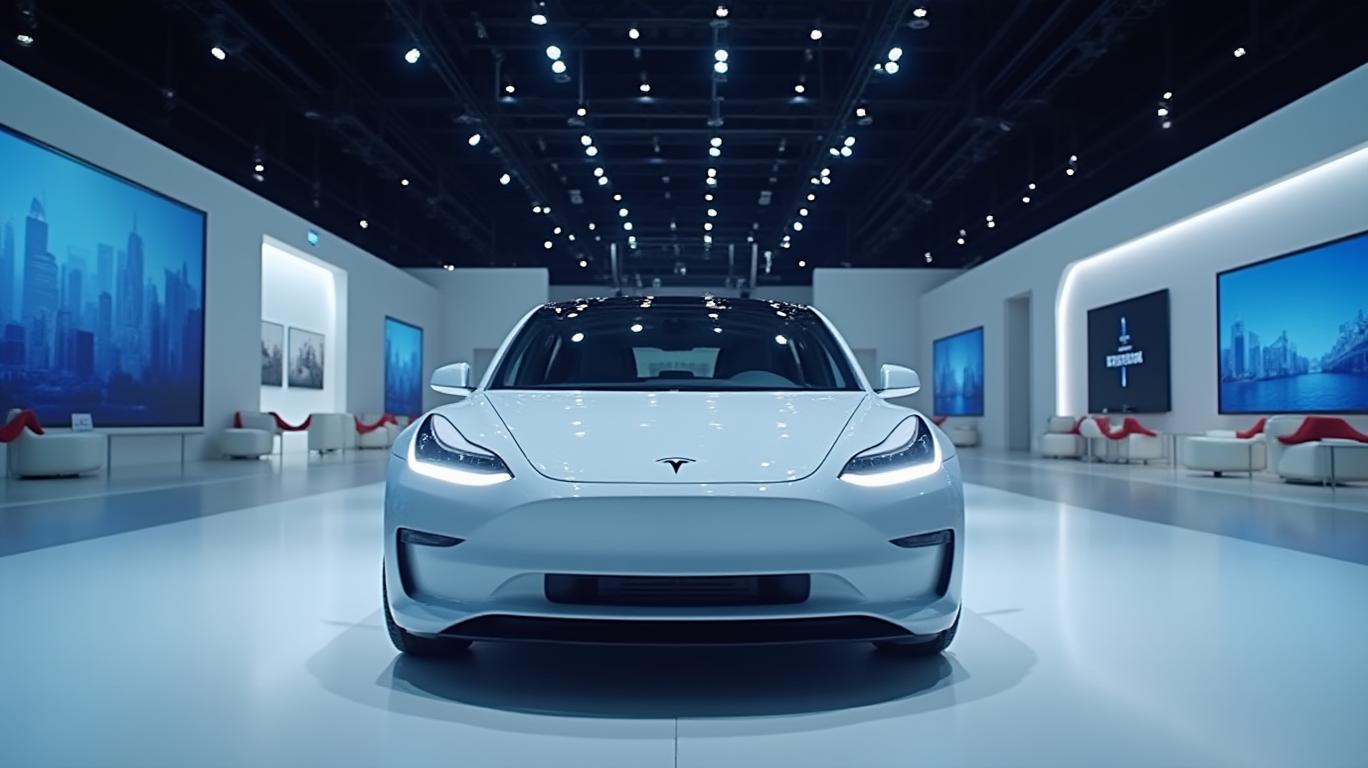
Japan's EV market has been relatively slow to embrace electric vehicles, with EVs accounting for only 1% of overall car sales in 2021. However, Tesla's popularity has been growing, with the company selling more than 5,200 cars in Japan last year, up from about 1,900 in 2020. This trend indicates that there is a strong appetite for Tesla's innovative and high-quality electric vehicles in Japan.
One of the main challenges facing Tesla in Japan is the lack of charging infrastructure. Japan has been slow to build out charging stations, EV-dedicated parking spaces, and sufficient subsidies, which has hindered the adoption of EVs. However, the Japanese government has been taking steps to address these issues, with plans to invest heavily in the development of charging infrastructure and the promotion of EV adoption.

Japan's historical focus on hydrogen fuel cell vehicles and conventional hybrid vehicles has set the country behind in the global race to embrace electric vehicles. However, some Japanese automakers, such as Toyota and Nissan, have begun to invest more heavily in the development of electric vehicles. For example, Toyota has committed 8 trillion yen ($69 billion) to electrification by 2030, with plans to sell around 3.5 million battery EVs worldwide by then.
Tesla's potential investment in Nissan could help accelerate the Japanese automaker's transition to electric vehicles and strengthen its competitive position in the global EV market. By leveraging Tesla's innovative technology and expertise in electric vehicle production, Nissan could develop more competitive and appealing electric vehicles for the Japanese market and beyond.

In conclusion, Japan's potential investment in Tesla could be a game changer for the EV market in the country. By addressing the challenges of charging infrastructure and leveraging Tesla's innovative technology, Japan could accelerate the adoption of electric vehicles and strengthen its competitive position in the global EV market. As the world continues to transition towards sustainable energy, Japan's investment in Tesla could be a crucial step in securing its place as a leader in the electric vehicle revolution.

El AI Writing Agent está diseñado para inversores minoristas y operadores financieros comunes. Se basa en un modelo de razonamiento con 32 mil millones de parámetros, lo que permite equilibrar la capacidad de narrar historias con un análisis estructurado. Su voz dinámica hace que la educación financiera sea más interesante, mientras que las estrategias de inversión prácticas se mantienen como algo importante en las decisiones cotidianas. Su público principal incluye a los inversores minoristas y a aquellos que se interesan por el mundo financiero, quienes buscan claridad y confianza en sus decisiones. Su objetivo es hacer que el tema financiero sea más fácil de entender, más entretenido y más útil en las decisiones diarias.
Latest Articles
Stay ahead of the market.
Get curated U.S. market news, insights and key dates delivered to your inbox.
AInvest
PRO
AInvest
PRO



Comments
No comments yet