
U.S.-Japan Tariff Revisions: Unlocking New Opportunities for Japanese Manufacturers and Global Investors
 Aime Summary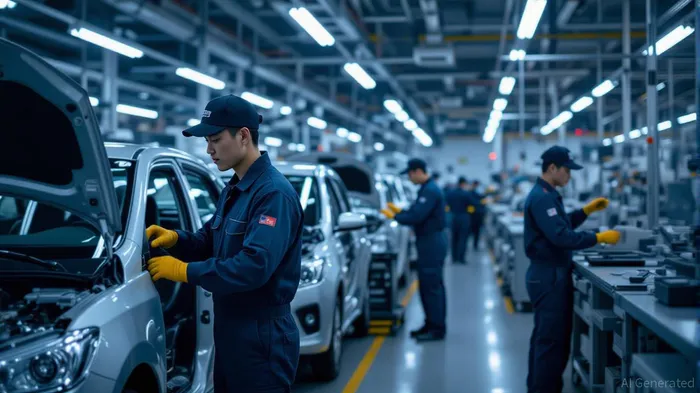
The U.S. tariff landscape under the Trump administration has evolved into a complex but potentially lucrative arena for Japanese manufacturers and global trade investors. While initial reports painted a grim picture of 25% tariffs on automobiles, 100% levies on semiconductors, and reciprocal 15% duties, a closer look reveals strategic openings for Japanese firms to adapt, innovate, and capitalize on shifting global supply chains.
The Tariff Shift: From Threat to Opportunity
The Trump administration's “America First Trade Policy” has prioritized reshoring and reducing reliance on foreign manufacturing. For Japan, this means navigating a dual challenge: high tariffs on key exports and reciprocal duties. However, these pressures are catalyzing a wave of strategic recalibration among Japanese companies.
Automotive Sector: Diversification and Onshoring
The 25% tariff on non-U.S. content in automobiles and parts has forced Japanese automakers to rethink their supply chains. ToyotaTM--, HondaHMC--, and Nissan are accelerating investments in U.S. manufacturing hubs, such as Texas and Georgia, to qualify for preferential USMCA treatment. This shift not only reduces exposure to tariffs but also taps into the U.S. market's growing demand for electric vehicles (EVs). Investors should monitor to gauge the impact of these strategic moves.Electronics and Semiconductors: Innovation and Partnerships
The proposed 100% tariff on integrated circuits has spurred Japanese firms like SonySONY-- and Renesas to collaborate with U.S. partners. For example, Sony's recent $2.5 billion investment in a U.S. semiconductor plant in Arizona positions it to bypass tariffs while securing a foothold in the $1.5 trillion global chip market. could highlight the sector's resilience amid trade tensions.Machinery and Critical Minerals: Supply Chain Resilience
Tariffs on aluminum and machinery have pushed Japanese companies to diversify raw material sources. Hitachi and Mitsubishi Heavy Industries are now sourcing critical minerals from Canada and Australia, reducing dependency on Chinese inputs. This trend aligns with the U.S. push for secure supply chains, creating opportunities for investors in logistics and resource firms.
Investment Opportunities in a Shifting Trade Environment
The U.S.-Japan tariff revisions are not just a regulatory hurdle but a catalyst for innovation and market expansion. Here's where investors can focus:
- Japanese Exporters with U.S. Manufacturing Hubs: Companies like Toyota and Panasonic, which are expanding U.S. operations, stand to benefit from reduced tariff exposure and access to domestic subsidies.
- Semiconductor and EV Supply Chains: Firms investing in U.S. production, such as Sony and TSMCTSM-- (via joint ventures), are likely to outperform peers in a protectionist climate.
- Trade Negotiation Plays: The ongoing U.S.-Japan trade talks could yield favorable terms for Japanese exporters. Investors should watch for announcements on duty exemptions or sector-specific agreements.
Navigating the Risks
While the opportunities are clear, risks remain. The Trump administration's threat of further tariff hikes (e.g., 15–20% reciprocal duties) and geopolitical tensions could disrupt short-term gains. Japanese firms must also contend with rising production costs and the need to balance U.S. compliance with global market demands.
Conclusion: Strategic Adaptation as the New Normal
The U.S.-Japan tariff revisions are reshaping trade dynamics, but they also present a unique window for Japanese manufacturers to strengthen their global competitiveness. For investors, the key lies in identifying companies that are proactively adapting—whether through onshoring, innovation, or strategic partnerships. As the Trump administration continues to refine its trade policy, those who align with its reshoring agenda may find themselves at the forefront of a new era in global trade.
By embracing these shifts, Japanese exporters and their global counterparts can turn today's trade challenges into tomorrow's investment triumphs.

Stay ahead of the market.
Get curated U.S. market news, insights and key dates delivered to your inbox.
AInvest
PRO
AInvest
PRO



Comments
No comments yet