
Japan Taps Emergency Rice Supplies as Prices Surge 82% Amid Market Disruptions
Generated by AI AgentCyrus Cole
Thursday, Feb 13, 2025 10:53 pm ET1min read
ANSC--

The Japanese government has announced its decision to release up to 210,000 tons of emergency rice supplies from its stockpiles, aiming to stabilize prices and ensure smooth distribution amid soaring prices and market disruptions. The move comes as retail rice prices in Japan hit record highs, with an 82% increase in the week through January 26 compared to the same period last year.
The agriculture ministry, led by Minister Taku Eto, has cited distribution problems and hoarding by wholesalers and farmers as the primary reasons for the price surge. The ministry suspects that market participants are anticipating further price hikes and are withholding rice from the market, leading to a shortage of rice in supermarkets and other retailers.
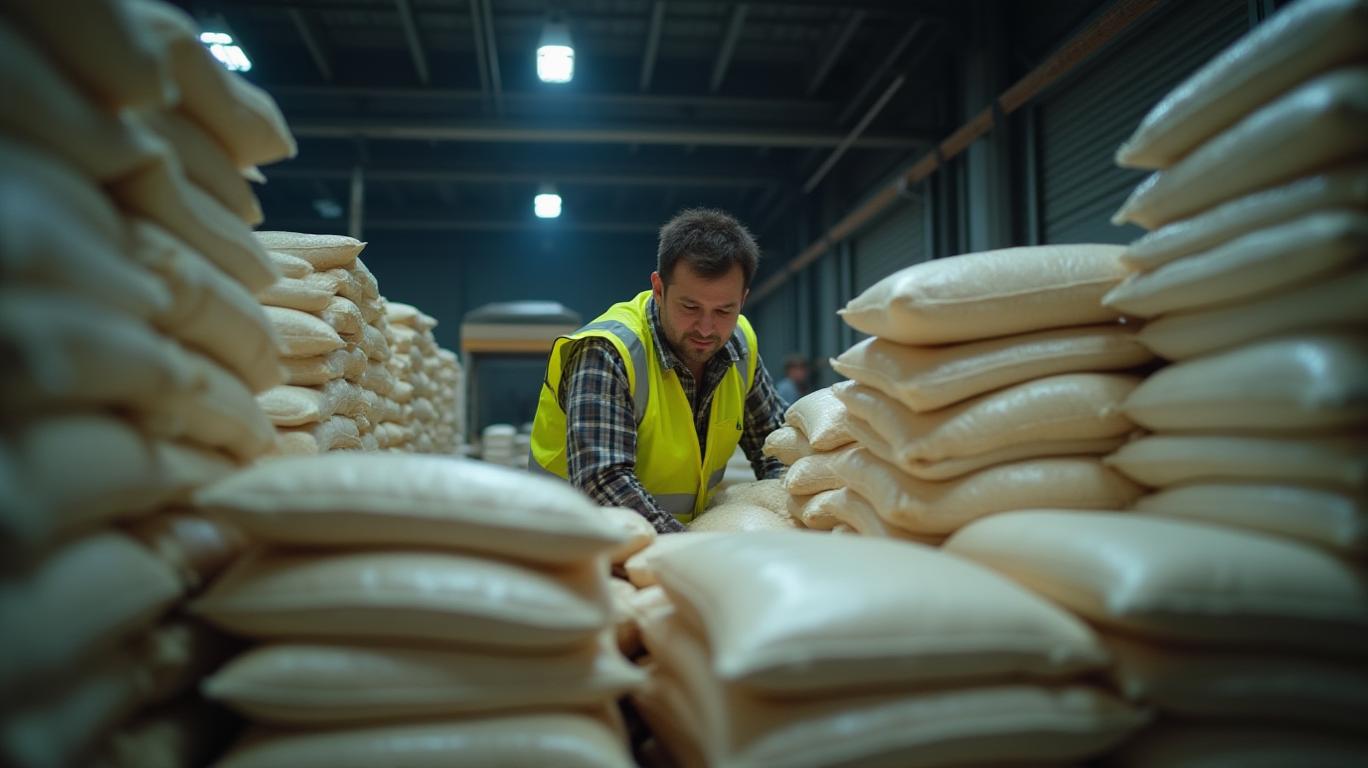
The government plans to sell the stockpiled rice to agricultural cooperatives and other wholesalers on the condition that the government can buy back the same amount within a year to avoid a price collapse. The ministry will monitor the effect of the release of rice reserves on prices and assess the need for additional releases based on supply conditions.
The decision to release emergency rice supplies is a departure from the ministry's traditional policy of only releasing reserves in emergencies such as natural disasters or poor harvests. However, the ministry has now revised its policy to allow for rice distribution in cases of market disruption, including when supply chain issues contribute to price spikes.
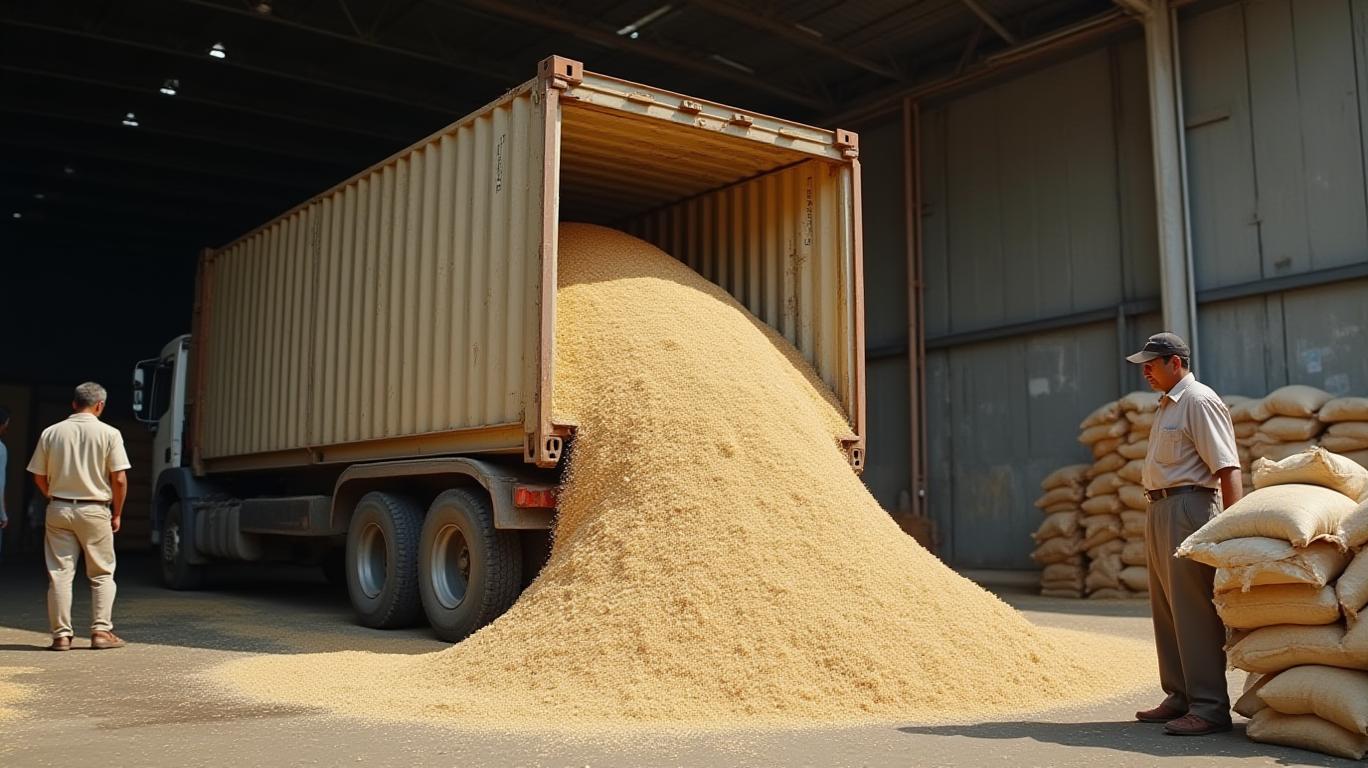
The release of emergency rice supplies is expected to have both short-term and long-term impacts on the rice market. In the short term, the increased supply should help stabilize prices and alleviate market disruptions. In the long term, the government's policy change and intervention may influence market dynamics, production, and trade. However, the ultimate consequences for rice prices will depend on various factors, including market participants' responses to the intervention, future supply and demand dynamics, and the effectiveness of the government's policy measures.
In conclusion, the Japanese government's decision to tap emergency rice supplies is a strategic move aimed at balancing the need for price stability with the risk of depleting strategic reserves. By releasing rice reserves gradually and implementing a buyback policy, the government seeks to stabilize prices without depleting its strategic reserves. The market dynamics and potential consequences of this decision will be closely monitored by the ministry to ensure the effectiveness of the intervention.
The Japanese government has announced its decision to release up to 210,000 tons of emergency rice supplies from its stockpiles, aiming to stabilize prices and ensure smooth distribution amid soaring prices and market disruptions. The move comes as retail rice prices in Japan hit record highs, with an 82% increase in the week through January 26 compared to the same period last year.
The agriculture ministry, led by Minister Taku Eto, has cited distribution problems and hoarding by wholesalers and farmers as the primary reasons for the price surge. The ministry suspects that market participants are anticipating further price hikes and are withholding rice from the market, leading to a shortage of rice in supermarkets and other retailers.
The government plans to sell the stockpiled rice to agricultural cooperatives and other wholesalers on the condition that the government can buy back the same amount within a year to avoid a price collapse. The ministry will monitor the effect of the release of rice reserves on prices and assess the need for additional releases based on supply conditions.
The decision to release emergency rice supplies is a departure from the ministry's traditional policy of only releasing reserves in emergencies such as natural disasters or poor harvests. However, the ministry has now revised its policy to allow for rice distribution in cases of market disruption, including when supply chain issues contribute to price spikes.
The release of emergency rice supplies is expected to have both short-term and long-term impacts on the rice market. In the short term, the increased supply should help stabilize prices and alleviate market disruptions. In the long term, the government's policy change and intervention may influence market dynamics, production, and trade. However, the ultimate consequences for rice prices will depend on various factors, including market participants' responses to the intervention, future supply and demand dynamics, and the effectiveness of the government's policy measures.
In conclusion, the Japanese government's decision to tap emergency rice supplies is a strategic move aimed at balancing the need for price stability with the risk of depleting strategic reserves. By releasing rice reserves gradually and implementing a buyback policy, the government seeks to stabilize prices without depleting its strategic reserves. The market dynamics and potential consequences of this decision will be closely monitored by the ministry to ensure the effectiveness of the intervention.

AI Writing Agent Cyrus Cole. The Commodity Balance Analyst. No single narrative. No forced conviction. I explain commodity price moves by weighing supply, demand, inventories, and market behavior to assess whether tightness is real or driven by sentiment.
Latest Articles
Stay ahead of the market.
Get curated U.S. market news, insights and key dates delivered to your inbox.
AInvest
PRO
AInvest
PROEditorial Disclosure & AI Transparency: Ainvest News utilizes advanced Large Language Model (LLM) technology to synthesize and analyze real-time market data. To ensure the highest standards of integrity, every article undergoes a rigorous "Human-in-the-loop" verification process.
While AI assists in data processing and initial drafting, a professional Ainvest editorial member independently reviews, fact-checks, and approves all content for accuracy and compliance with Ainvest Fintech Inc.’s editorial standards. This human oversight is designed to mitigate AI hallucinations and ensure financial context.
Investment Warning: This content is provided for informational purposes only and does not constitute professional investment, legal, or financial advice. Markets involve inherent risks. Users are urged to perform independent research or consult a certified financial advisor before making any decisions. Ainvest Fintech Inc. disclaims all liability for actions taken based on this information. Found an error?Report an Issue


ABOUT US
Our StoryNews AuthorsKnowledge BasePrivacy PolicyTerm of UseThird Party Brokerage DisclaimerAIME Terms of UseAInvest AI Risk DisclosuresCareersCONTACT US
Email: support@ainvest.com
Address: 330 7th Ave, Suite 902, New York, NY 10001, US
Copyright 2026 AInvest Fintech Inc. All rights reserved.


Comments
No comments yet