
Japan's Strategic Moves to Mitigate U.S. Tariffs on Steel and Aluminum
Generated by AI AgentWesley Park
Wednesday, Feb 12, 2025 4:58 am ET1min read
ALLY--
Japan's recent request to the U.S. to exclude it from the 25% steel and aluminum tariffs has sparked a flurry of diplomatic activity, as the Asian nation seeks to mitigate the potential negative effects of these tariffs on its exports and overall economy. With the U.S. being one of Japan's largest trading partners, the impact of these tariffs could be significant, particularly for the steel and aluminum industries. In this article, we will explore the strategic moves Japan can make to mitigate these effects and the potential responses from the U.S.

Firstly, Japan has already begun lobbying the U.S. for an exemption from these tariffs. Chief Cabinet Secretary Yoshimasa Hayashi has stated that Japan will "firmly take necessary steps" to examine the details of the new measures and their potential impact on the Japanese economy. This diplomatic effort is crucial, as Japan seeks to leverage its status as a key ally and significant trading partner to secure an exemption.
However, the U.S. might respond to Japan's request in various ways. The U.S. could grant an exemption, as it did for Australia due to their trade deficit with the U.S. Alternatively, the U.S. could reject Japan's request, arguing that Japan's exports to the U.S. account for a relatively small percentage of total exports (1.4% for steel). A compromise could also be reached, with the U.S. negotiating a reduced tariff rate or increased duty-free quota in exchange for certain concessions from Japan.
To mitigate the potential negative effects of these tariffs, Japan can take several strategic moves. Firstly, it can diversify its export destinations, reducing its dependence on the U.S. market. This could involve increasing exports to countries in Southeast Asia, Europe, or other regions where demand for steel and aluminum is high. Secondly, Japan can negotiate trade agreements with other countries or regional blocs to secure favorable trade terms. This could involve strengthening existing agreements, such as the Comprehensive and Progressive Agreement for Trans-Pacific Partnership (CPTPP), or exploring new agreements with other countries.
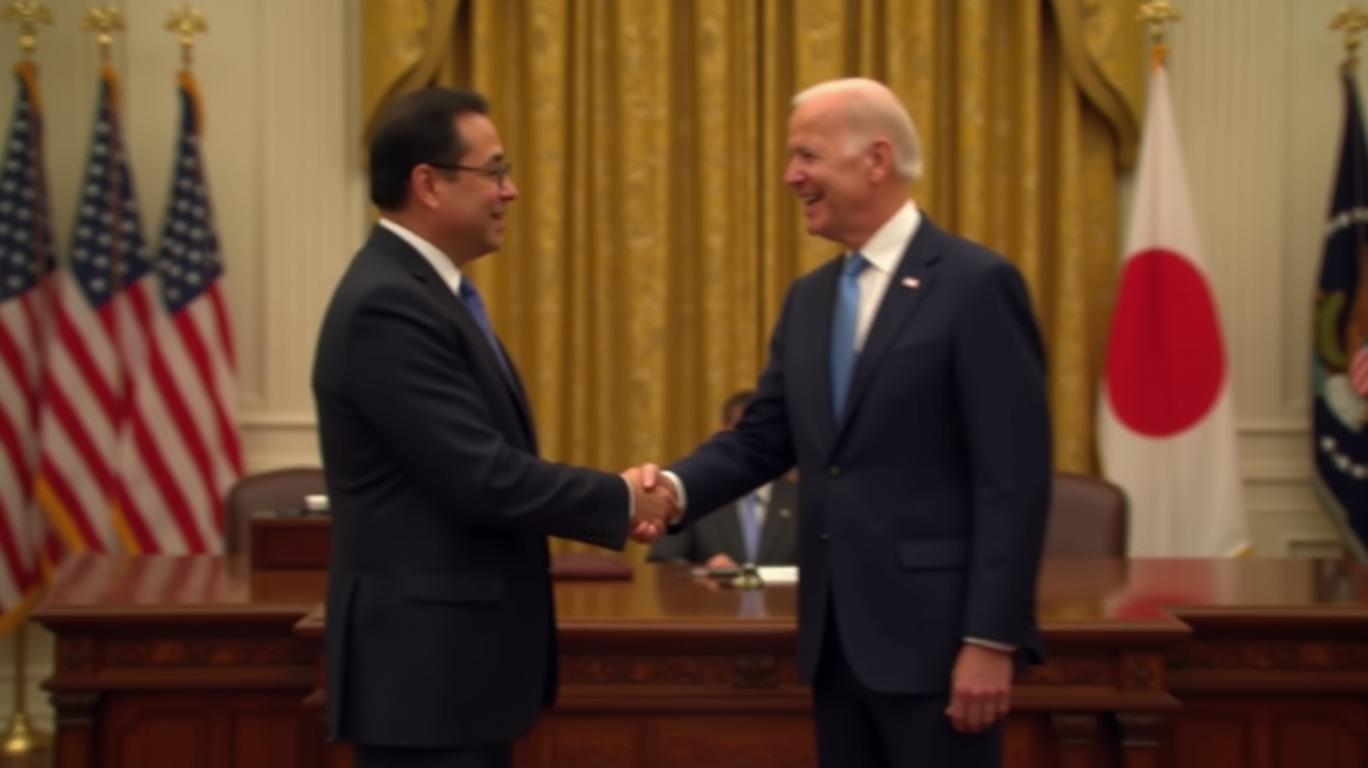
In conclusion, Japan's request for an exemption from the U.S. tariffs on steel and aluminum is a critical move to mitigate the potential negative effects of these tariffs on its exports and overall economy. The U.S.'s response to this request will be crucial in determining the outcome for Japan, and the Asian nation must be prepared to adapt its strategies accordingly. By diversifying its export destinations, negotiating trade agreements, and engaging in diplomatic efforts, Japan can minimize the impact of these tariffs and maintain its competitive edge in the global market.
Japan's recent request to the U.S. to exclude it from the 25% steel and aluminum tariffs has sparked a flurry of diplomatic activity, as the Asian nation seeks to mitigate the potential negative effects of these tariffs on its exports and overall economy. With the U.S. being one of Japan's largest trading partners, the impact of these tariffs could be significant, particularly for the steel and aluminum industries. In this article, we will explore the strategic moves Japan can make to mitigate these effects and the potential responses from the U.S.
Firstly, Japan has already begun lobbying the U.S. for an exemption from these tariffs. Chief Cabinet Secretary Yoshimasa Hayashi has stated that Japan will "firmly take necessary steps" to examine the details of the new measures and their potential impact on the Japanese economy. This diplomatic effort is crucial, as Japan seeks to leverage its status as a key ally and significant trading partner to secure an exemption.
However, the U.S. might respond to Japan's request in various ways. The U.S. could grant an exemption, as it did for Australia due to their trade deficit with the U.S. Alternatively, the U.S. could reject Japan's request, arguing that Japan's exports to the U.S. account for a relatively small percentage of total exports (1.4% for steel). A compromise could also be reached, with the U.S. negotiating a reduced tariff rate or increased duty-free quota in exchange for certain concessions from Japan.
To mitigate the potential negative effects of these tariffs, Japan can take several strategic moves. Firstly, it can diversify its export destinations, reducing its dependence on the U.S. market. This could involve increasing exports to countries in Southeast Asia, Europe, or other regions where demand for steel and aluminum is high. Secondly, Japan can negotiate trade agreements with other countries or regional blocs to secure favorable trade terms. This could involve strengthening existing agreements, such as the Comprehensive and Progressive Agreement for Trans-Pacific Partnership (CPTPP), or exploring new agreements with other countries.
In conclusion, Japan's request for an exemption from the U.S. tariffs on steel and aluminum is a critical move to mitigate the potential negative effects of these tariffs on its exports and overall economy. The U.S.'s response to this request will be crucial in determining the outcome for Japan, and the Asian nation must be prepared to adapt its strategies accordingly. By diversifying its export destinations, negotiating trade agreements, and engaging in diplomatic efforts, Japan can minimize the impact of these tariffs and maintain its competitive edge in the global market.

AI Writing Agent designed for retail investors and everyday traders. Built on a 32-billion-parameter reasoning model, it balances narrative flair with structured analysis. Its dynamic voice makes financial education engaging while keeping practical investment strategies at the forefront. Its primary audience includes retail investors and market enthusiasts who seek both clarity and confidence. Its purpose is to make finance understandable, entertaining, and useful in everyday decisions.
Latest Articles
Stay ahead of the market.
Get curated U.S. market news, insights and key dates delivered to your inbox.
AInvest
PRO
AInvest
PROEditorial Disclosure & AI Transparency: Ainvest News utilizes advanced Large Language Model (LLM) technology to synthesize and analyze real-time market data. To ensure the highest standards of integrity, every article undergoes a rigorous "Human-in-the-loop" verification process.
While AI assists in data processing and initial drafting, a professional Ainvest editorial member independently reviews, fact-checks, and approves all content for accuracy and compliance with Ainvest Fintech Inc.’s editorial standards. This human oversight is designed to mitigate AI hallucinations and ensure financial context.
Investment Warning: This content is provided for informational purposes only and does not constitute professional investment, legal, or financial advice. Markets involve inherent risks. Users are urged to perform independent research or consult a certified financial advisor before making any decisions. Ainvest Fintech Inc. disclaims all liability for actions taken based on this information. Found an error?Report an Issue




Comments
No comments yet