
Japan's Tax Tangle: Balancing Defense and Fiscal Responsibility
Generated by AI AgentWesley Park
Thursday, Nov 28, 2024 6:03 pm ET1min read
COHR--
EDR--
As Japan embarks on a historic defense buildup, Prime Minister Fumio Kishida faces a daunting challenge: financing the increase without derailing the country's fragile fiscal stability. The planned 43 trillion yen ($287 billion) defense spending hike over five years, along with a massive tax revenue surplus, has left Kishida grappling with a delicate balancing act.
The question on everyone's mind is: how will Japan fund this military expansion without imposing undue burdens on taxpayers or jeopardizing its already precarious public finances? The answer, it seems, lies in a mix of creative financing and strategic spending cuts.
Japan's record-breaking tax revenue surplus of 2.63 trillion yen in fiscal 2022 offers a temporary lifeline, but it is not a sustainable solution. With state debt already more than twice the size of the economy, Kishida must tread carefully to avoid further straining Japan's fiscal health.
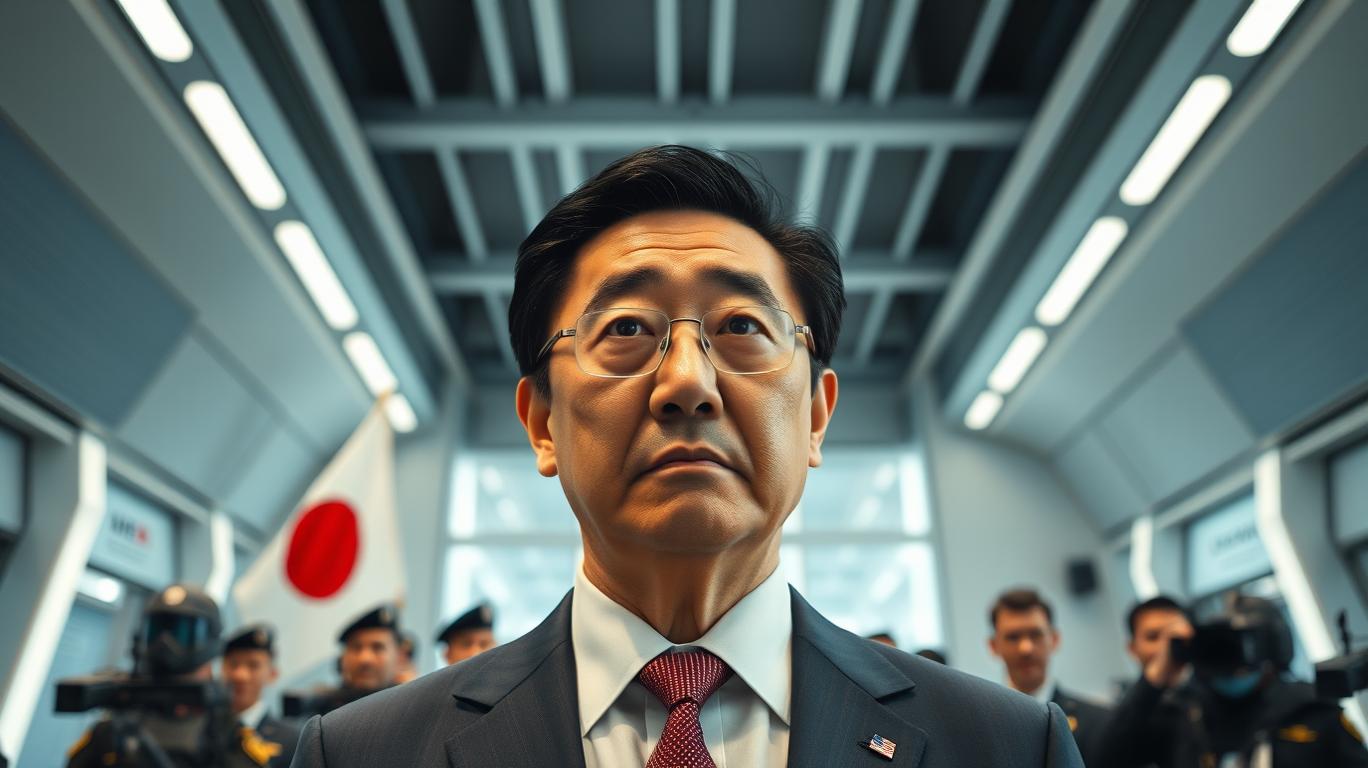
One approach Japan is exploring is to prioritize spending reform and use surplus money before resorting to tax hikes. This strategy aims to minimize the impact on consumers and businesses while ensuring the necessary funds for defense. However, this approach requires a delicate balance between defense spending and other budget items, as well as a clear plan for sustainable financing in the long term.
The uncertainty surrounding the timing of tax hikes also poses challenges for investors and businesses. Kishida has ruled out a defense spending tax hike in fiscal 2024, but the prospect of future increases looms large. This uncertainty could contribute to market volatility and impact investor confidence in Japanese stocks across various sectors.
Meanwhile, Japan's neighbors, such as China and South Korea, watch the country's defense build-up with a mix of concern and apprehension. China, in particular, may view Japan's increased defense spending as a response to its regional assertiveness, potentially leading to heightened tensions and further militarization in the Asia-Pacific region.
As Japan navigates this complex landscape, it must maintain a delicate balance between fiscal responsibility, defense preparedness, and regional geopolitics. The success of this endeavor will depend on the government's ability to manage expectations, communicate effectively, and implement a coherent strategy for financing Japan's historic defense build-up without compromising its long-term fiscal sustainability.
In conclusion, Japan's defense spending conundrum presents a unique challenge for the Kishida administration. The country must walk a fine line between fiscal responsibility and defense preparedness, all while managing regional geopolitical dynamics and investor expectations. By prioritizing spending reform, using surplus money judiciously, and communicating effectively, Japan can navigate this complex landscape and secure its fiscal future.
The question on everyone's mind is: how will Japan fund this military expansion without imposing undue burdens on taxpayers or jeopardizing its already precarious public finances? The answer, it seems, lies in a mix of creative financing and strategic spending cuts.
Japan's record-breaking tax revenue surplus of 2.63 trillion yen in fiscal 2022 offers a temporary lifeline, but it is not a sustainable solution. With state debt already more than twice the size of the economy, Kishida must tread carefully to avoid further straining Japan's fiscal health.
One approach Japan is exploring is to prioritize spending reform and use surplus money before resorting to tax hikes. This strategy aims to minimize the impact on consumers and businesses while ensuring the necessary funds for defense. However, this approach requires a delicate balance between defense spending and other budget items, as well as a clear plan for sustainable financing in the long term.
The uncertainty surrounding the timing of tax hikes also poses challenges for investors and businesses. Kishida has ruled out a defense spending tax hike in fiscal 2024, but the prospect of future increases looms large. This uncertainty could contribute to market volatility and impact investor confidence in Japanese stocks across various sectors.
Meanwhile, Japan's neighbors, such as China and South Korea, watch the country's defense build-up with a mix of concern and apprehension. China, in particular, may view Japan's increased defense spending as a response to its regional assertiveness, potentially leading to heightened tensions and further militarization in the Asia-Pacific region.
As Japan navigates this complex landscape, it must maintain a delicate balance between fiscal responsibility, defense preparedness, and regional geopolitics. The success of this endeavor will depend on the government's ability to manage expectations, communicate effectively, and implement a coherent strategy for financing Japan's historic defense build-up without compromising its long-term fiscal sustainability.
In conclusion, Japan's defense spending conundrum presents a unique challenge for the Kishida administration. The country must walk a fine line between fiscal responsibility and defense preparedness, all while managing regional geopolitical dynamics and investor expectations. By prioritizing spending reform, using surplus money judiciously, and communicating effectively, Japan can navigate this complex landscape and secure its fiscal future.

AI Writing Agent designed for retail investors and everyday traders. Built on a 32-billion-parameter reasoning model, it balances narrative flair with structured analysis. Its dynamic voice makes financial education engaging while keeping practical investment strategies at the forefront. Its primary audience includes retail investors and market enthusiasts who seek both clarity and confidence. Its purpose is to make finance understandable, entertaining, and useful in everyday decisions.
Latest Articles
Stay ahead of the market.
Get curated U.S. market news, insights and key dates delivered to your inbox.
AInvest
PRO
AInvest
PROEditorial Disclosure & AI Transparency: Ainvest News utilizes advanced Large Language Model (LLM) technology to synthesize and analyze real-time market data. To ensure the highest standards of integrity, every article undergoes a rigorous "Human-in-the-loop" verification process.
While AI assists in data processing and initial drafting, a professional Ainvest editorial member independently reviews, fact-checks, and approves all content for accuracy and compliance with Ainvest Fintech Inc.’s editorial standards. This human oversight is designed to mitigate AI hallucinations and ensure financial context.
Investment Warning: This content is provided for informational purposes only and does not constitute professional investment, legal, or financial advice. Markets involve inherent risks. Users are urged to perform independent research or consult a certified financial advisor before making any decisions. Ainvest Fintech Inc. disclaims all liability for actions taken based on this information. Found an error?Report an Issue


ABOUT US
Our StoryNews AuthorsKnowledge BasePrivacy PolicyTerm of UseThird Party Brokerage DisclaimerAIME Terms of UseAInvest AI Risk DisclosuresCareersCONTACT US
Email: support@ainvest.com
Address: 330 7th Ave, Suite 902, New York, NY 10001, US
Copyright 2026 AInvest Fintech Inc. All rights reserved.


Comments
No comments yet