
Japan Rules Out Using $1 Trillion in U.S. Bonds as Trade Leverage
Japan has ruled out the possibility of using its holdings of over $1 trillion in U.S. Treasury bonds as a bargaining chip in trade negotiations with the United States. This stance was reiterated by Japanese officials, who emphasized that Japan would not leverage its significant investment in U.S. debt to gain advantages in ongoing discussions. The decision comes amid heightened tensions between the two nations over various trade and economic issues.
Japanese Prime Minister Fumio Kishida stated that Japan would emphasize "fairness" in any discussions with the United States regarding currency issues. He also hinted at the possibility of Japan purchasing more U.S. energy and maintaining flexibility in addressing U.S. accusations of non-tariff barriers in the Japanese automotive market. Despite analysts suggesting that Japan could use its substantial holdings of U.S. Treasury bonds as leverage, Japanese officials have made it clear that this approach will not be pursued. The Japanese government has consistently maintained that its economic policies are independent of its financial investments and that it will not use its financial assets as a tool for political or economic coercion.
The Japanese government's position underscores its commitment to maintaining stable and cooperative relations with the United States. By ruling out the use of U.S. Treasury bonds as a bargaining chip, Japan aims to foster an environment of mutual respect and trust, which is essential for productive negotiations. This approach also reflects Japan's long-term strategy of promoting economic stability and growth through diplomatic means rather than financial pressure.
In recent discussions, Japanese officials have emphasized the importance of fairness and transparency in trade negotiations. They have stated that any agreements reached must be mutually beneficial and should not compromise the economic sovereignty of either nation. This stance aligns with Japan's broader foreign policy objectives, which prioritize economic cooperation and regional stability.
The decision to exclude the use of U.S. Treasury bonds as a bargaining tool is also a strategic move by Japan to avoid potential backlash from the United States. Given the significant economic interdependence between the two countries, any attempt to use financial leverage could lead to retaliatory measures, further complicating the already complex trade negotiations. By taking a principled stance, Japan aims to prevent such escalations and maintain a constructive dialogue with the United States.
In summary, Japan's decision to rule out the use of U.S. Treasury bonds as a bargaining chip in trade negotiations with the United States reflects its commitment to fair and transparent economic relations. This approach underscores Japan's long-term strategy of promoting stability and cooperation, while also avoiding potential backlash from the United States. By maintaining a principled stance, Japan aims to foster an environment conducive to productive negotiations and economic growth. 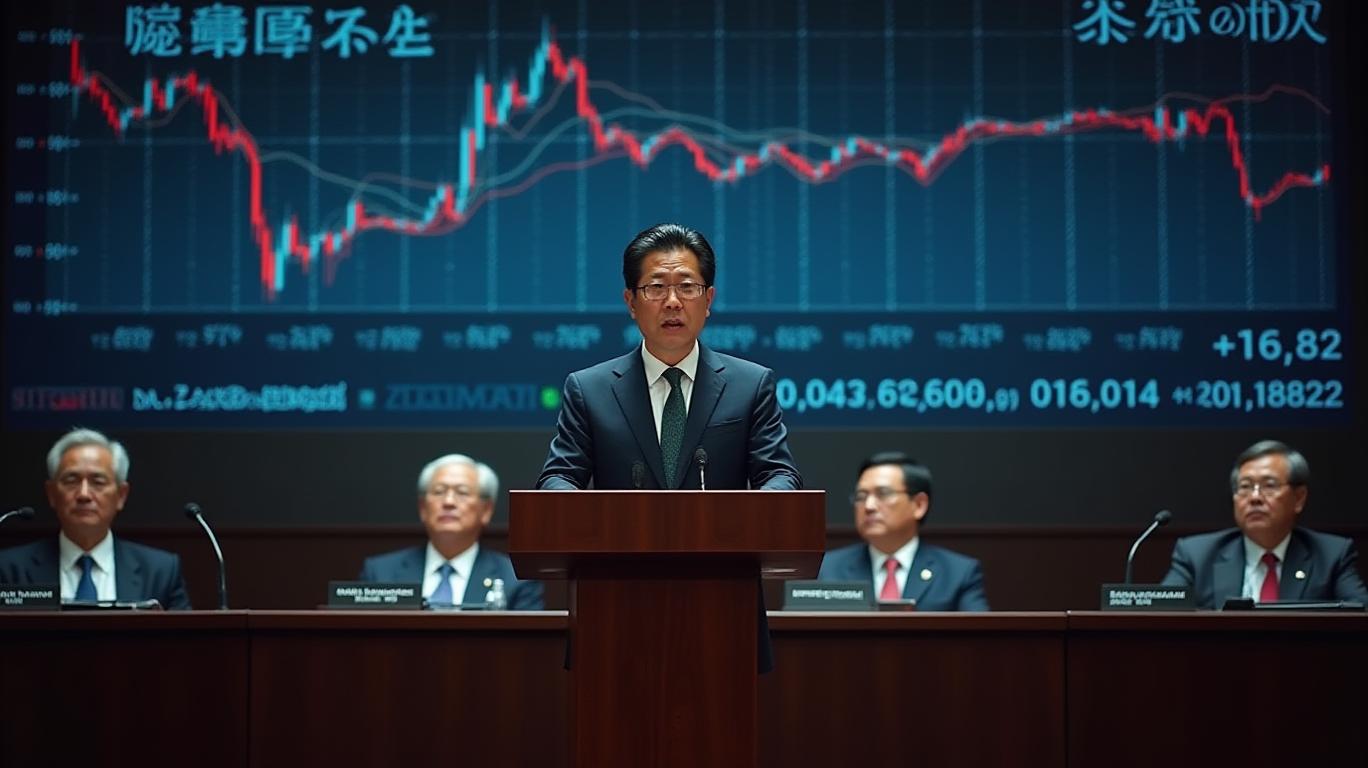

Stay ahead of the market.
Get curated U.S. market news, insights and key dates delivered to your inbox.






Comments
No comments yet