
Japan's PM Aims to Finalize Tariff Agreements by July
Japan's Prime Minister, Fumio Kishida, has announced an ambitious goal to finalize tariff negotiation agreements by July. This initiative is part of Japan's broader strategy to navigate the intricate landscape of international trade, especially amidst rising tensions and tariff disputes with key trading partners.
The Prime Minister's declaration highlights Japan's dedication to promoting international cooperation and minimizing the economic fallout from tariff disputes. By setting a July deadline, Japan aims to secure advantageous terms that will support its industries and uphold its competitive position in the global market. The negotiations are anticipated to encompass various sectors, including automotive, electronics, and agricultureANSC--, which are vital to Japan's economy.
This push for tariff negotiations is in line with Japan's overarching strategy to bolster its economic ties and reduce dependence on any single trading partner. This approach is especially pertinent given the ongoing trade tensions between the United States and China, which have had widespread effects on global trade dynamics. Through engaging in bilateral and multilateral negotiations, Japan seeks to establish a more stable and predictable trading environment.
The negotiations are also a response to the recent imposition of tariffs by the United States on various Japanese products. These tariffs have had a notable impact on Japanese industries, particularly the automotive sector, which is a significant contributor to Japan's economy. The Prime Minister's initiative to conclude tariff agreements by July is a proactive step to tackle these challenges and safeguard Japan's economic interests.
The success of these negotiations will hinge on several factors, including the willingness of trading partners to engage in constructive dialogue and the ability of both sides to find mutually beneficial solutions. Japan's Prime Minister has stressed the importance of reciprocity and fairness in international trade, principles that are likely to guide the negotiations.
The outcome of these tariff negotiations will have significant implications for Japan's economy and its standing in the global trade landscape. A successful agreement could open the door to increased market access, reduced tariffs, and enhanced economic cooperation. Conversely, a failure to reach an agreement could intensify trade tensions and have adverse effects on Japan's industries and consumers.
In summary, Japan's Prime Minister's aim to conclude tariff negotiation agreements by July is a strategic move to address the challenges posed by international trade tensions. By prioritizing negotiations and seeking mutually beneficial solutions, Japan hopes to secure favorable terms that will benefit its economy and maintain its competitive edge in the global market. The success of these negotiations will depend on the willingness of trading partners to engage in constructive dialogue and the ability of both sides to find common ground. 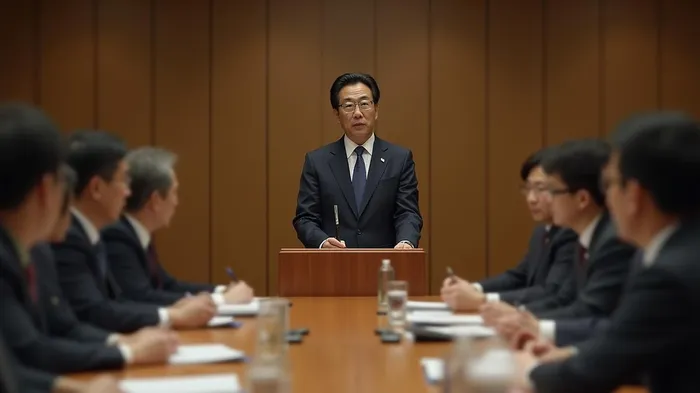

Stay ahead of the market.
Get curated U.S. market news, insights and key dates delivered to your inbox.






Comments
No comments yet