
Japan's Finance Minister Dispels Speculation on Additional Budget
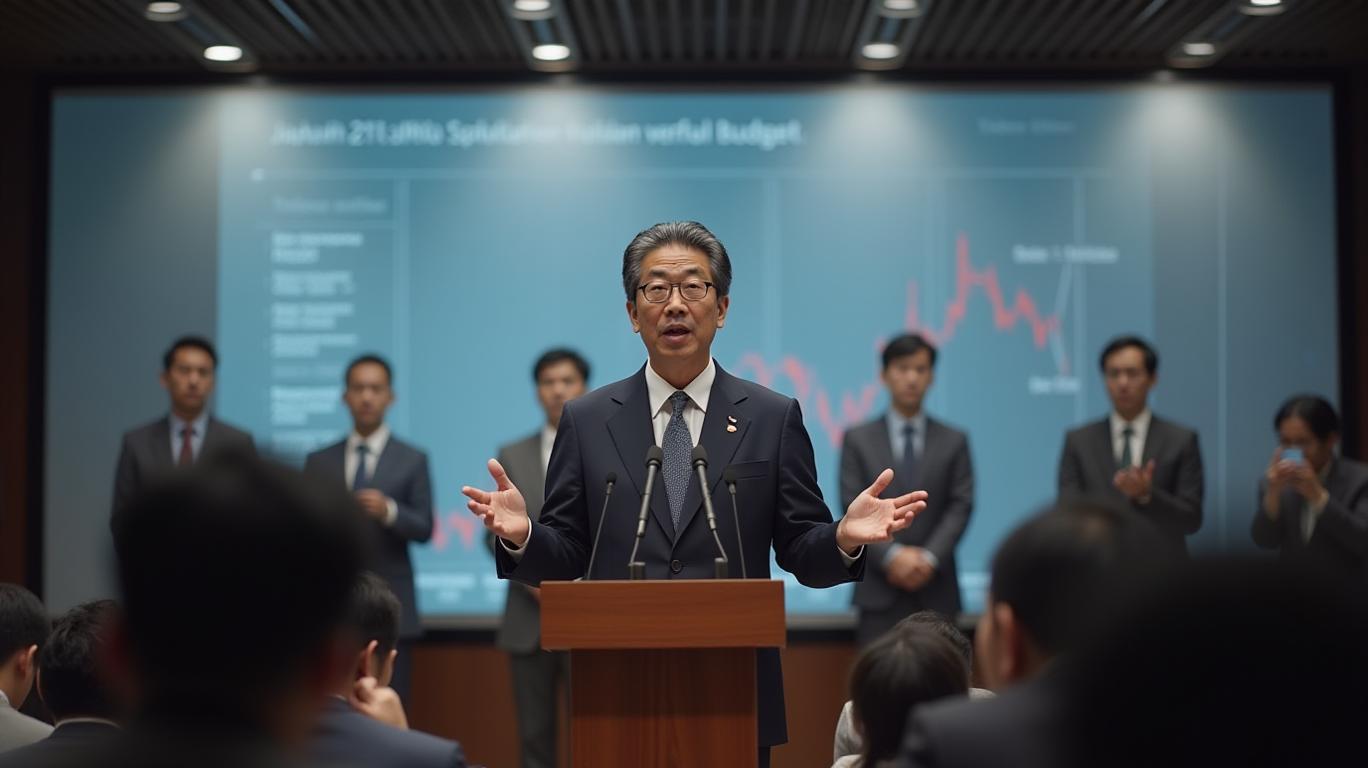
Japan's Finance Minister Kato Katsunobu has stated that the government is not currently considering any additional budget or special economic measures. This announcement comes in response to market speculation that had previously driven up Japanese government bond yields. Kato's remarks align with those made by Prime Minister Kishida Fumio the previous day, emphasizing the government's commitment to the steady implementation of the supplementary budget from the previous fiscal year and the initial budget for the current year.
Kato's statement is particularly significant given the recent volatility in Japan's long-term government bond yields. Market participants had speculated that the government might turn to additional fiscal spending, which could exacerbate Japan's already substantial debt burden. The minister's comments aim to dispel these concerns and reassure markets that the government is focused on managing its existing financial commitments rather than introducing new economic measures.
Kato highlighted the need for close monitoring of the market situation, especially in light of recent tariff changes. The minister acknowledged that financial markets have become unstable due to various factors, including recent tariff measures. This cautious approach reflects the government's priority on maintaining financial stability and addressing immediate economic challenges without adding to the country's debt burden.
The government's decision to prioritize the implementation of existing budgets is a strategic move aimed at ensuring economic resilience. By focusing on the steady execution of current financial plans, the government can better manage potential risks associated with market volatility and external economic pressures. This approach also aligns with the government's broader economic strategy, which emphasizes stability and prudent fiscal management.
Japan remains one of the most indebted developed economies, with its debt-to-GDP ratio expected to reach 232.7% this year. A significant portion of the initial budget is allocated to debt repayment, underscoring the importance of careful financial management. The government's decision to avoid additional fiscal measures reflects a commitment to maintaining long-term economic stability and avoiding the risks associated with increased borrowing.

Stay ahead of the market.
Get curated U.S. market news, insights and key dates delivered to your inbox.


AInvest
PRO
AInvest
PRO



Comments
No comments yet