
Japan Faces July 9 Tariff Deadline as U.S. Trade Talks Stall
Japan is under increasing pressure to finalize a trade deal with the United States as the deadline for new U.S. tariffs approaches on July 9. The U.S. has been pushing for a quick agreement, and Japan's cautious approach to negotiations has raised concerns that it could become an easy target for Washington's demands. Japan, which relies on the U.S. for both trade and security, has avoided direct confrontation, unlike China, which has taken a tougher stance.
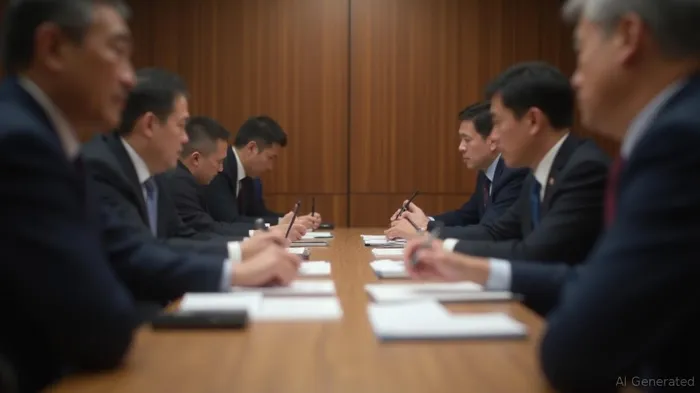
Japan's chief negotiator, Ryosei Akazawa, has made multiple trips to Washington in recent months to continue negotiations. However, his most recent trip did not result in any in-person meetings with key U.S. officials, and he only spoke twice by phone with Commerce Secretary Howard Lutnick. This lack of progress has raised worries about Japan's ability to meet U.S. demands before the tariffs take effect.
Domestic politics also play a significant role in Japan's approach to the trade talks. Japanese officials are reluctant to make significant concessions before the key national vote on July 20th, as they do not want to appear weak to their constituents. This has created a delicate balancing act for Japan, as it tries to meet U.S. demands while also addressing domestic concerns.
Meanwhile, U.S. President Donald Trump has publicly criticized Japan for not buying enough American cars and for refusing to import U.S. rice. Japanese leaders have responded carefully to avoid escalating tensions, hoping for an agreement that benefits both countries. However, the U.S. has warned that it may skip negotiations and simply impose new tariffs if an agreement cannot be reached.
Tokyo's offer to Washington is focused on jobs and investment, with a special emphasis on the auto industry. Japan has proposed cutting the 25% levy on Japanese cars and lowering planned 24% duties on other goods set to start on July 9. Additionally, Japan has offered to collaborate on shipbuilding and boost purchases of American semiconductors and liquefied natural gas. However, experts say that Japan may need to offer a larger package to meet Washington's demands.
Japan's auto sector is critical to its economy, with about 10% of the nation's GDP and some 8% of its workforce depending on it. Officials hope to bring car tariffs closer to 10% to show progress before the election. One possible trade-off is to open Japan's rice market, but that risks alienating rural voters. Agriculture Minister Shinjiro Koizumi supports talks that maximize benefits for Japan, and chief negotiator Akazawa has ruled out sacrificing farmers to protect auto interests.
According to policy expert Kenichi Kawasaki of the National Graduate Institute for Policy Studies, Japan may also need to eliminate non-tariff barriers on car imports and cut duties on its own farm products, including rice. Even so, another 10% U.S. levy on cars seems likely. Trump has warned he may skip negotiations and simply send countries a letter with their new tariff rates. Asked if he would alert the press if such a letter arrived, Akazawa smiled and said, “If it comes to that, I think you’ll find that President Trump will have announced it already on Truth Social.”
Despite the growing trade uncertainty, Japan's business outlook remains strong. A Bank of Japan survey released Tuesday showed large manufacturers’ confidence rose slightly to +13 in June, up from +12 in March and beating forecasts of +10. However, the same tankan survey found firms slashed profit projections and expect conditions to worsen over the next three months. Confidence among big non-manufacturers dipped to +34 from +35, as rising labor costs and weaker luxury-goods sales to tourists weighed on sentiment.
Some companies reported higher profits by passing on cost increases, while others said wage hikes and fewer foreign visitors hurt their earnings. The survey, covering April through June, suggests Japan’s economy remains resilient despite growing trade uncertainty, even as firms brace for the impact of new U.S. duties. Policymakers at the Bank of Japan will review these findings at their July 30–31 meeting, weighing whether to begin tightening policy later in the year. Japan’s economy shrank at an annual rate of 0.2% in the first quarter, hurt by weak consumer spending. With U.S. car tariffs set back at 25% and 24% on other goods after July 9, exporters face fresh headwinds.

Stay ahead of the market.
Get curated U.S. market news, insights and key dates delivered to your inbox.






Comments
No comments yet