
Japan's Exports to U.S. Fall 1.8% Amid Tariff Impact
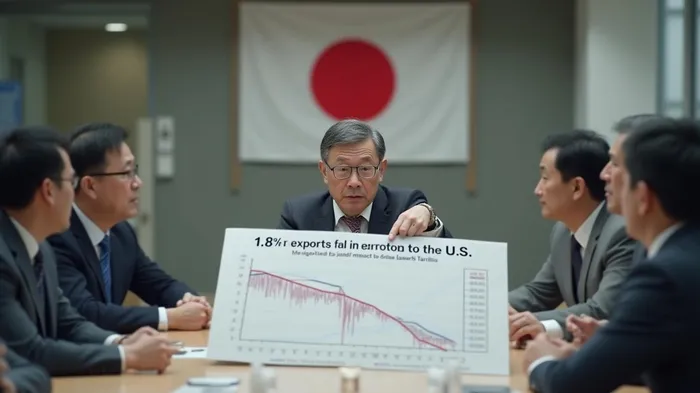
Japan's exports to the United States experienced a decline in April, marking the first decrease in four months. The Ministry of Finance reported that exports to the U.S. decreased by 1.8% year-on-year, reflecting a weakened demand for automobiles and other machinery, including semiconductor manufacturingTSM-- equipment. This decline contrasts with the 3.1% increase observed in March, indicating a shift in the export trend.
The decrease in exports to the U.S. is attributed to the impact of high tariffs imposed by the U.S. government. The tariffs have started to affect Japan's export-oriented economy, which relies heavily on trade with the U.S. The decline in exports has also contributed to a contraction in Japan's GDP, which shrank by 0.2% compared to the previous quarter. This contraction was driven by a 0.6% decrease in exports, which in turn reduced GDP by 0.8 percentage points. Despite this quarterly decline, Japan's GDP still grew by 1.7% compared to the same period last year.
Japan's overall exports in April grew by 2.0% year-on-year, which is lower than the 4.0% increase in March and below market expectations of 3.1%. This slowdown in export growth highlights the challenges faced by Japan's manufacturing sector due to the ongoing trade tensions. The government is urgently seeking a resolution to the tariff issue to support the manufacturing industry, which has been a key driver of Japan's economic growth.
Japan has maintained a trade surplus with the U.S., but this surplus has been shrinking in recent months. In April, the trade surplus with the U.S. was 780.6 billion yen (540 million dollars), down from 846.86 billion yen in March. This reduction in the trade surplus reflects the impact of the tariffs on Japan's exports to the U.S. and underscores the need for a resolution to the trade dispute.
The Japanese government has been engaged in trade negotiations with the U.S. to address the tariff issue. However, the negotiations have been challenging, with Japan initially insisting on the complete removal of tariffs. The Japanese chief trade negotiator emphasized that Japan would not rush into a trade agreement if it were to harm the country's interests. This stance has led to a stalemate in the negotiations, with the U.S. showing no signs of backing down on its tariff policies.
In response to the economic impact of the tariffs, Japan is considering a more flexible approach in the trade negotiations. There are reports that Japan may be willing to accept a reduction in tariff rates as a compromise, rather than insisting on their complete removal. This shift in strategy is aimed at breaking the deadlock in the negotiations and finding a mutually beneficial solution. However, the outcome of these negotiations remains uncertain, and the impact on Japan's economy will depend on the final agreement reached between the two countries.

Stay ahead of the market.
Get curated U.S. market news, insights and key dates delivered to your inbox.




Comments
No comments yet