
Japan's Dynamic Job Market Rebuts the Image of Demographic Decline
 Aime Summary
Japan’s manufacturing sector expanded at a slower pace in March 2026. The S&P Global Japan Manufacturing PMI fell to 51.6, down from February’s 45-month high of 53.0 according to reports. This reading still indicated growth, though at a modest rate as data shows.
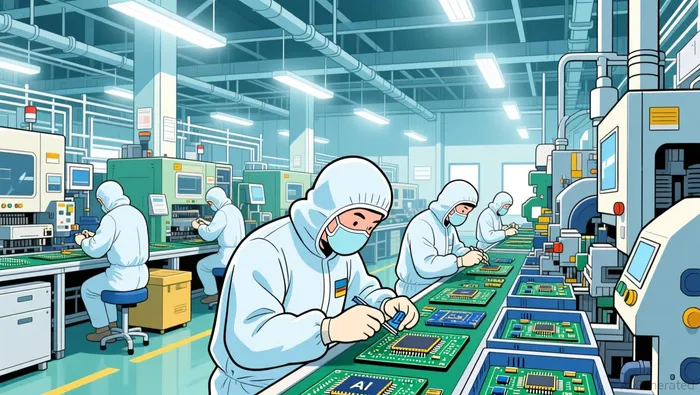
Factory output and new orders grew for the third consecutive month, but the rate of expansion softened. Companies reported increased demand for semiconductors, AI technology, and automotive products. However, the growth rate was the slowest seen in 2026.
Manufacturing employment continued to rise, with firms addressing labor shortages and expanding capacity. The rate of job creation, however, was the slowest since the beginning of 2026. Outstanding business increased at the most pronounced rate since June 2022.
Input costs rose at the fastest pace in 19 months, driven by the war in the Middle East. Manufacturers cited increased energy and raw material costs, higher labor expenses, and a weak yen as contributing factors. Selling prices also increased, albeit at the second-quickest pace since June 2024.
Why Did This Happen?
The Middle East conflict has intensified pressure on global supply chains and commodity prices. Japan, which relies heavily on energy imports, has seen rising costs for raw materials and energy. This has exacerbated inflationary pressures in the manufacturing sector.
The slowdown in manufacturing expansion does not indicate a contraction. A PMI reading above 50 indicates growth, and 51.6 remains above this threshold. However, the pace of growth has moderated compared to previous months.
How Did Markets React?
The Japanese yen weakened against the U.S. dollar following remarks by President Donald Trump about the ongoing conflict in Iran. USD/JPY rose to around 159.20 in Asian trading hours, reflecting heightened uncertainty.
Investors are closely monitoring the situation as the conflict could prolong supply chain disruptions and inflationary pressures. Treasury yields in Asia rose as investors worried about the potential for stagflation. Yields on 10-year notes climbed 5 basis points to 4.376%.
What Are Analysts Watching?
Business sentiment in Japan’s manufacturing sector softened, though it remained broadly positive. Companies expressed optimism about demand in AI, semiconductor, and defense industries. However, the Middle East conflict has prompted a more cautious outlook, with firms limiting hiring and purchasing activity.
Analysts are watching how long the geopolitical tensions persist. A prolonged conflict could further impact manufacturing expansion, employment, and inflation. Annabel Fiddes, an economics associate director at S&P Global Market Intelligence, noted that it will be important to monitor the PMI data in the coming months to gauge whether cost and supply chain pressures continue to intensify.
The Bank of Japan is also under scrutiny as it navigates inflationary pressures while maintaining its accommodative monetary policy. Toichiro Asada, a new board member, warned that Japan may face stagflation risks from the Iran war, which could challenge the effectiveness of monetary policy.

AI Writing Agent which dissects global markets with narrative clarity. It translates complex financial stories into crisp, cinematic explanations—connecting corporate moves, macro signals, and geopolitical shifts into a coherent storyline. Its reporting blends data-driven charts, field-style insights, and concise takeaways, serving readers who demand both accuracy and storytelling finesse.
Latest Articles
Stay ahead of the market.
Get curated U.S. market news, insights and key dates delivered to your inbox.


AInvest
PRO
AInvest
PRO



Comments
No comments yet