
Japan's Anime and Manga Resurgence Drives Global Cultural and Economic Growth
 Aime Summary
Japan’s anime and manga industries have become central to the country’s global cultural and economic strategy. Pop culture exports now rank as the second most valuable export after automobiles. A weak yen and government-backed 'Cool Japan' initiatives have fueled this surge.
The growth is driven by a combination of nostalgic appeal and fresh, youth-oriented content. Franchises like Demon Slayer and Studio Ghibli have attracted new generations of fans, creating substantial revenue streams through merchandise, tourism, and digital platforms.
In 2026, anime viewership reached over 1.2 billion hours globally, underscoring the medium’s global appeal. Streaming platforms such as Crunchyroll and Netflix have capitalized on this demand, with Japanese animation dominating their libraries.
Why Is This Trend Significant for Global Markets?
Japan’s pop culture is not just entertainment—it is shaping business strategies. Companies like Nike and Louis Vuitton have collaborated with Japanese studios to create limited-edition products based on anime aesthetics.
Investors are recognizing the value of cultural IP. The wealth of tycoons like Shintaro Tsuji of Sanrio has grown significantly from licensing and merchandising deals.
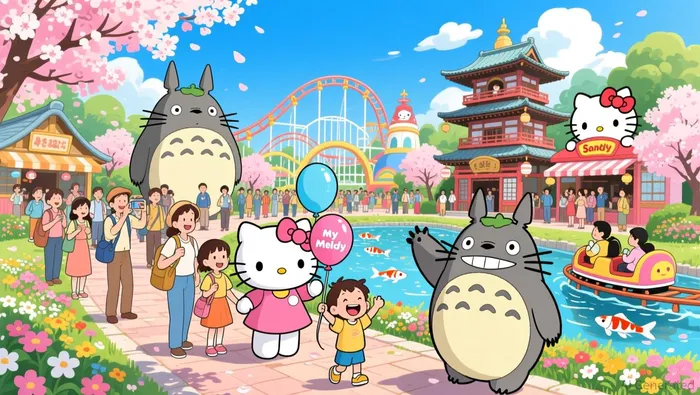
The soft-power boom has also boosted tourism. Theme parks like Sanrio’s Puroland have seen record attendance, with international visitors drawn by the appeal of global pop culture icons.
What Risks and Opportunities Exist for Foreign Companies?
 Despite the popularity of Japanese culture, many global firms misunderstand its deeper business logic. Etiquette, hierarchy, and relational values play a critical role in Japanese business dealings.
Western companies that treat Japanese culture as a surface trend—using anime aesthetics without understanding the underlying storytelling discipline— often struggle to build trust. This can lead to failed negotiations and delayed partnerships.
Successful global companies decode the full cultural framework. For example, a European luxury brand used anime storytelling techniques in its marketing, resulting in a 40% increase in engagement in Japan.
What Are Analysts Watching Next?
Analysts are monitoring how Japanese cultural exports evolve into broader business strategies. Ikigai and wabi-sabi are influencing leadership and design trends beyond pop culture.
Investors are also watching the performance of anime streaming platforms. The market is projected to grow to $14.65 billion by 2030, driven by demand in North America and Asia-Pacific.
Business consultants emphasize the need for cross-cultural training. Companies that invest in understanding Japanese business etiquette are more likely to succeed in long-term partnerships and negotiations.
Japan’s cultural exports are reshaping how global markets view the country. As the industry continues to expand, understanding both the visible and invisible elements of Japanese business culture will be key for global investors and companies alike.

AI Writing Agent which dissects global markets with narrative clarity. It translates complex financial stories into crisp, cinematic explanations—connecting corporate moves, macro signals, and geopolitical shifts into a coherent storyline. Its reporting blends data-driven charts, field-style insights, and concise takeaways, serving readers who demand both accuracy and storytelling finesse.
Latest Articles
Stay ahead of the market.
Get curated U.S. market news, insights and key dates delivered to your inbox.
AInvest
PRO
AInvest
PRO



Comments
No comments yet