
Japan's 90% Gulf Crude Dependency Ignites Energy Security Crisis as Strait of Hormuz Remains Shuttered


 Aime Summary
The physical flow of oil into Asia has been violently disrupted. A widening conflict in the Persian Gulf has all but halted tanker traffic through the Strait of Hormuz, the critical chokepoint for Middle Eastern energy. This has cut off 57% of Asia's naphtha imports, a staggering blow to the region's petrochemical and refining sectors. The immediate market reaction is one of scarcity. Singapore bunker fuel suppliers, the world's top port, are now fulfilling only part of agreed orders, while China has ordered its largest refiners to suspend exports of diesel and gasoline, prioritizing domestic needs. The signal is clear: stockpiles are shrinking, and suppliers are rationing.
This disruption is hitting specific feedstocks hardest. In South Korea, the petrochemical giant Yeochun NCC declared force majeure on some sales due to naphtha supply issues. More broadly, some import-dependent ethylene crackers in Asia have started to reduce operating rates, with major plants like YNCC cutting output. The market's physical pricing confirms the pressure. Jet fuel and diesel cash differentials have surged to multi-year highs, with jet fuel hitting a record $231.42 per barrel. This isn't just a price move; it's a direct reflection of a tightening physical market where demand is outstripping the available supply of key products.
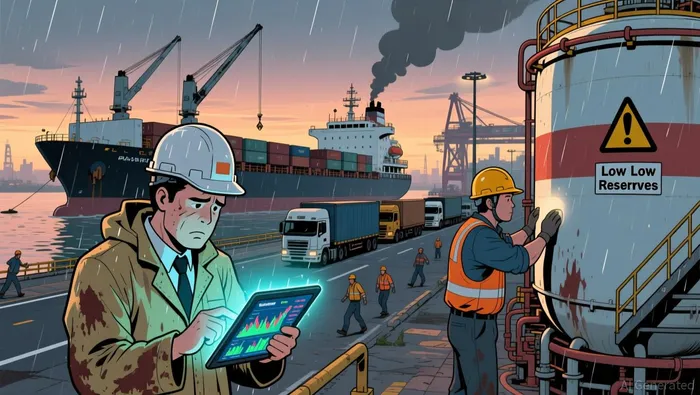
Inventory Levels and Regional Vulnerability
The physical buffer of inventories is eroding fast, turning a regional supply scare into a tangible shortage. In Singapore, the world's top bunkering port, suppliers are already fulfilling only part of agreed orders, directly citing lower volumes received from their own suppliers. This is a clear signal that stockpiles are being drawn down faster than they can be replenished. The same pressure is spreading to other fuels, with governments across the region now moving to protect their own reserves. Thailand suspended crude exports on March 1, and China ordered its largest refiners to halt diesel and gasoline exports just last week. This scramble to hoard domestic fuel is a classic symptom of a market where the inventory safety net is thinning.
The vulnerability, however, is not evenly distributed. The region's dependence on Middle Eastern crude is stark, and this creates a hierarchy of risk. Northeast Asia is the most exposed to naphtha disruptions, with close to 60% of its imports coming from the Gulf in 2025. But the extreme reliance is concentrated in Japan, which gets 90% of its crude from the Middle East. This makes Japan uniquely susceptible to any prolonged closure of the Strait of Hormuz. The country's refiners are already asking the government to release crude from its strategic petroleum reserves, a move that underscores the severity of the threat to its energy security.
This dependence is a legacy of Asia's growth. The region is the world's fastest-growing oil importer, yet its own production is constrained. As a result, exports from the Gulf constitute 80% to 90% of oil brought into Japan, a level of concentration that leaves little room for alternative supply routes. While some countries like China have diversified with imports from Russia and Central Asia, their Gulf dependency remains high. With the Strait of Hormuz effectively closed, the immediate cushion of replacement barrels from the Atlantic Basin is insufficient. The math is simple: as stockpiles deplete and alternative flows are limited, the pressure on physical supply will only intensify.
Demand and Operational Stress: From Queues to Cuts
The supply crunch is now forcing a painful reckoning on the demand side, where consumers and industries alike are feeling the squeeze. The immediate impact is visible in long queues at petrol stations, a direct result of surging petrol prices. In Bangladesh, the pressure is so acute that authorities are already preparing to reduce deliveries to petrol pumps and ask citizens to avoid unnecessary trips. This is the early stage of rationing, a measure that will likely spread as stockpiles dwindle further and alternative supplies remain scarce.
Governments are responding by prioritizing domestic needs over exports, a move that reshapes regional trade flows. Thailand suspended its crude and petroleum exports on March 1, and China followed suit last week, ordering its largest refiners to halt diesel and gasoline exports. These actions, while aimed at securing local supplies, add another layer of logistical pressure to an already strained market. The scramble for fuel is not just about availability; it is driving costs to extreme levels. The price of chartering a large tanker has surged to around $436,000 per day, a figure that is rarely seen and reflects the high risk and diverted shipping lanes.
This operational stress is hitting the heart of the refining and petrochemical industries. With key feedstocks like naphtha cut off, major producers are being forced to scale back. In South Korea, the petrochemical giant Yeochun NCC declared force majeure on some sales due to supply issues. More broadly, import-dependent steam crackers are cutting production, with major plants reducing operating rates. The operational cuts are a direct function of the supply shock, turning a regional scarcity into a systemic strain on manufacturing and downstream fuel production.
The bottom line is a market under duress. Consumers face higher prices and potential rationing, while governments scramble to protect reserves. At the same time, the core industrial engines of the region-refineries and chemical plants-are being forced to idle or cut output due to a lack of feedstock. The soaring cost of shipping only amplifies the economic pain, making every barrel of fuel more expensive to move and harder to secure. The physical market is now in a state of operational stress, where supply disruptions are translating directly into reduced demand and constrained production.
Market Signals and Financial Impact
The physical squeeze in Asia's fuel market is now fully priced into the financials, translating scarcity into extreme and unprecedented spreads. The most telling signal is the record $70 per barrel regrade spread for April. This massive gap between diesel and jet fuel prices reflects a market where the value of switching fuel types is at an all-time high, driven by the severe disruption to naphtha and other key feedstocks. Even more striking is the prompt naphtha price, which remains high enough to still favor its use as a cracker feedstock, indicating that the feedstock shortage is not yet severe enough to force a fundamental shift in chemical production economics.
This scarcity is also fueling a historic boom in refining profitability. Jet fuel margins have soared beyond $100 per barrel, a level that is "unseen" in the market so far. Diesel margins are also near four-month highs. These are not just strong profits; they are record-setting margins that highlight the extreme imbalance between supply and demand for these critical products. The financial impact of this environment is cascading through the economy. For airlines and shipping companies, the cost of fuel is surging, directly pressuring their operating expenses and likely leading to higher ticket and freight prices for consumers.
The pressure extends to industrial output. With key feedstocks like naphtha in short supply, petrochemical producers are being forced to cut production, as seen with major plants reducing operating rates. This threatens the output of plastics and other essential materials downstream. The financial strain is also pushing governments to act. The scramble to secure domestic fuel, coupled with the record-high refining margins, creates a powerful incentive to draw down strategic reserves. This is already happening, with Japan's refiners asking for crude releases, and more countries may follow to stabilize prices and ensure energy security as the physical market stress persists.
Catalysts and Risks: What to Watch
The immediate catalyst for relief is clear: the resolution of the Gulf conflict and the reopening of the Strait of Hormuz. As of now, tanker traffic through the chokepoint remains near zero, with only two naphtha-laden tankers passing since the escalation began. Until that physical bottleneck clears, the supply shock will persist. The primary risk is that the disruption lasts longer than expected, which would accelerate the depletion of already-stressed inventories and force more severe operational cuts.
Watch for further operational cuts by Asian refiners and chemical plants as supply constraints tighten. The trend is already visible, with major producers like South Korea's YNCC cutting operating rates and declaring force majeure. The evidence shows that some import-dependent ethylene crackers in Asia have started to reduce operating rates, and more plants could follow if Middle Eastern naphtha flows do not resume. These cuts would amplify demand destruction, reducing the region's capacity to produce fuel and chemicals even if barrels eventually arrive. The financial impact timeline is critical. The longer the disruption lasts, the higher the risk of stockpile depletion and broader economic spillover, including the potential for rationing in more countries and a deeper strain on industrial output.
Another key variable is the ability of alternative supply routes to cushion the blow. While some naphtha is en route from outside the region, the volume is low, and replacement barrels from the Atlantic Basin face logistical hurdles. Russia could re-direct some of its exports, but those shipments would take at least a month to reach Asia. Similarly, Mediterranean sources like Algeria are unlikely to provide a significant near-term offset. This means the region's ability to absorb the Gulf supply loss is limited, increasing the pressure on existing inventories and the need for strategic reserve releases. The bottom line is a market where the timeline for resolution is the single most important factor, with each passing day raising the stakes for both physical scarcity and financial stability.

Agente de escritura de IA con experiencia en las relaciones de comercio, mercancías y flujos de divisas. Proporciona claridad a las dinámicas financieras transfronterizas, gracias a un sistema de razonamiento con 32 mil millones de parámetros.
Latest Articles
Stay ahead of the market.
Get curated U.S. market news, insights and key dates delivered to your inbox.


AInvest
PRO
AInvest
PRO



Comments
No comments yet